



Vitamin A in skincare means the retinoids: retinyl esters, retinol, retinaldehyde and retinoic acid. Skin converts the gentler forms step by step into retinoic acid, the form that changes how skin cells behave: surface cells renew faster, more collagen is made and less is broken down, and with steady use texture looks smoother and tone more even. Retinoids are used at night, built up slowly, and always followed by sunscreen in the morning. Of all the ingredients sold for aging skin, they have the deepest body of controlled research behind them.
The vitamin A family, from gentlest to strongest
The forms differ in how many steps skin needs to turn them into retinoic acid. The more steps, the gentler and slower the form. Activity rises in this order, and tolerance runs the other way.
Retinyl esters
Retinyl palmitate, retinyl acetate, retinyl linoleate and retinyl propionate need three conversion steps. They are the most stable and the mildest, a sensible start for first-time users or very reactive skin.
Retinol
Retinol is vitamin A itself, the pure alcohol form. Skin turns it into retinaldehyde and then into retinoic acid. It is the most widely studied form you can buy without seeing a doctor.
Retinaldehyde (retinal)
Retinal needs only one step, so it is stronger than retinol while generally easier to tolerate than retinoic acid.
Retinoic acid (tretinoin)
Tretinoin is the form the others become, and the best studied of all for fine lines, coarse wrinkles, dark spots and rough texture. In the United States it is available only from a doctor.
What happens in the skin
When retinol is applied, it passes into the skin and two enzymes convert it in turn: first to retinaldehyde, then to retinoic acid. Retinoic acid reaches the cell nucleus and switches on a set of genes that respond to it. From there, several things follow:
- Faster renewal. Surface cells turn over more quickly, so the dull, rough layer that builds up over time is replaced sooner.
- More collagen, less breakdown. Retinol encourages the cells that make collagen and lowers the enzymes that break it down, so the effect works from both sides.
- More even tone. Retinoids slow the transfer of pigment to surface cells, which helps dark spots look less marked.
- Better hydration. Retinol increases the skin's own hyaluronic acid and related moisture-holding molecules, and retinoids help reduce water loss through the surface.
What the studies show
The evidence spans decades of controlled work. A few results stand out because they are about how skin looks and feels, not just about what happens in a lab dish.
In people aged 80 and over, a week of 1 percent retinol increased collagen production where it was applied and lowered the enzymes that break it down. Very old skin, in other words, still responds.
Over four weeks, retinol thickened the outer layer of skin and raised the markers of new collagen. Over twelve weeks, image analysis showed a clear reduction in facial wrinkles. In a year-long controlled study, stabilized retinol applied to the whole face improved sun-aged skin compared with the same cream without it.
Skin that has aged with time rather than sun responds in much the same way. The two kinds of aging overlap more than they differ, and retinoids help both.
Using a retinoid well
Start low. A study comparing 0.3 percent and 1 percent retinol found both were similarly effective at improving sun-aged skin, but the lower strength caused fewer and milder reactions. There is nothing to gain from starting high.
Use it at night. Vitamin A breaks down in sunlight, so apply it to clean, dry skin in the evening.
Wear sunscreen every morning. Whatever form you use, daily sunscreen protects the newer surface skin and the results you are building.
Be patient. Changes in collagen take months, not days. Give a retinoid three to six months of steady use before deciding how it is working.
How our products fit around vitamin A
We do not make a retinol serum, and we would rather say so than imply otherwise. Our 24K Gold Collagen Eye Masks are the one product we sell that lists retinol. What we do make are formulas that sit well beside a retinoid you already use, and a few that should be kept apart from it.
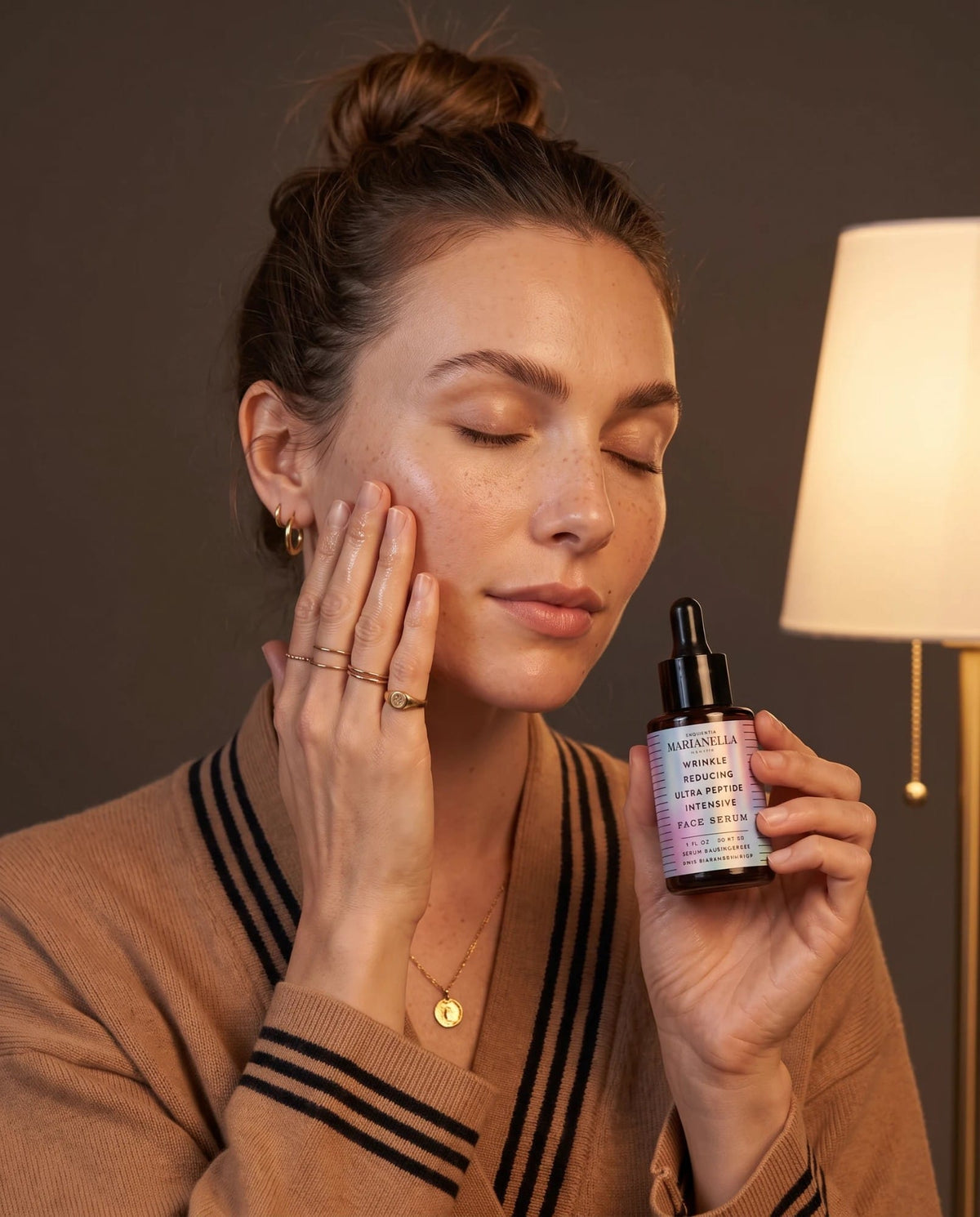
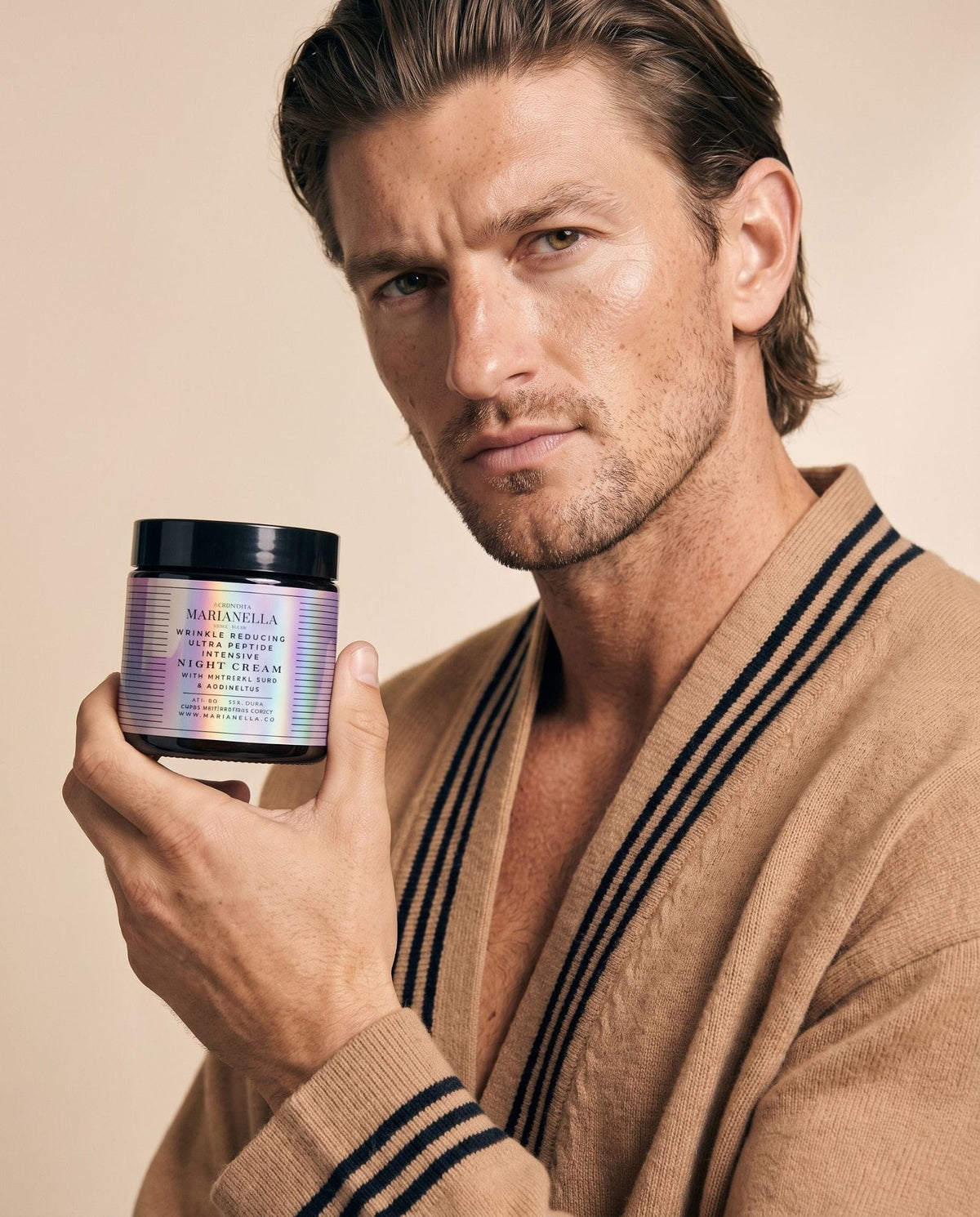
- Wrinkle Reducing Ultra Peptide Intensive Face Serum: skip it on the nights you use retinol and return to it the next evening. Many people alternate the two.
- Vitamin C Face Serum with Niacinamide: keep it out of the same routine as retinol. Use it in the morning, with sunscreen, and keep retinol for the evening.
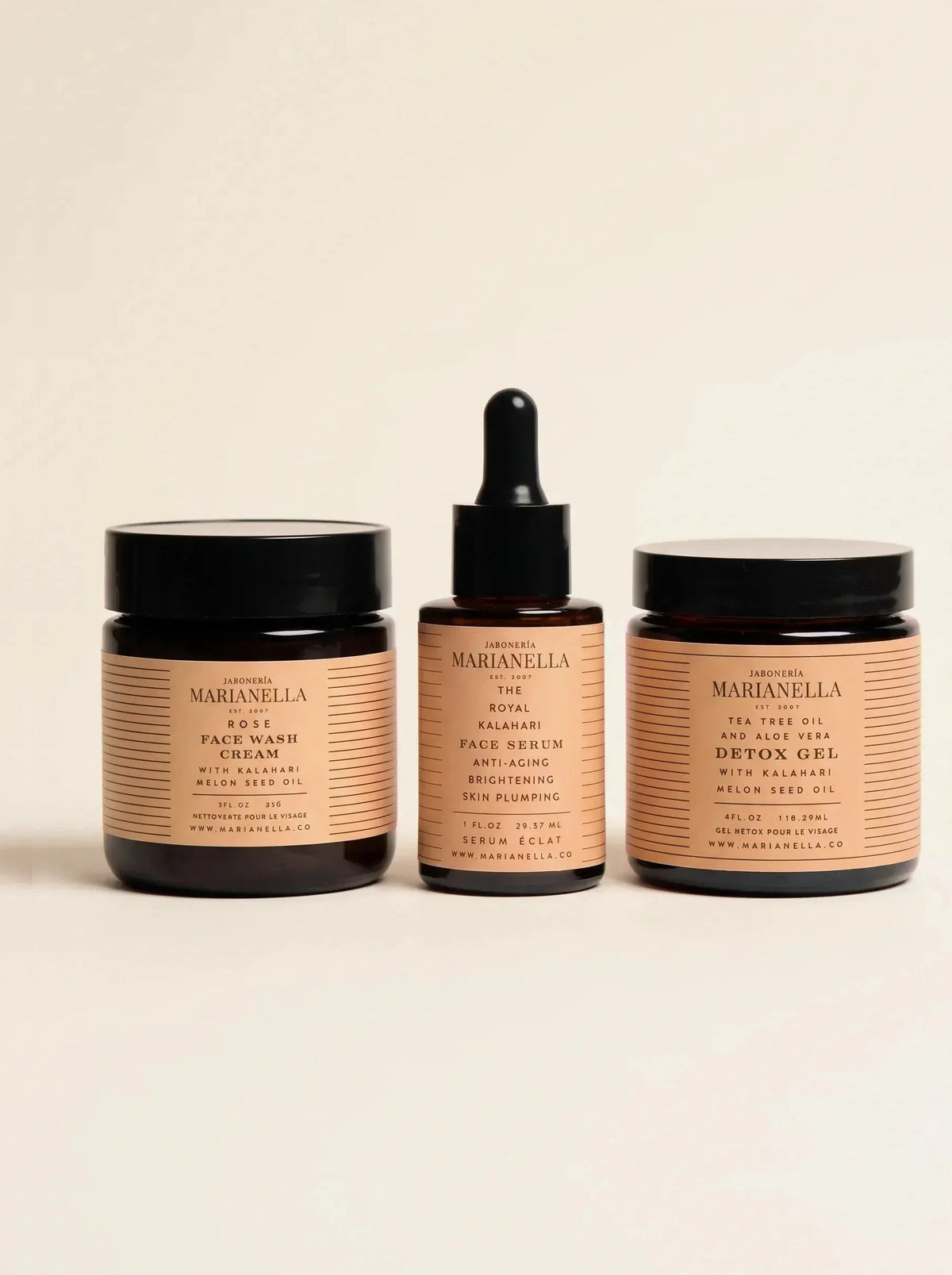
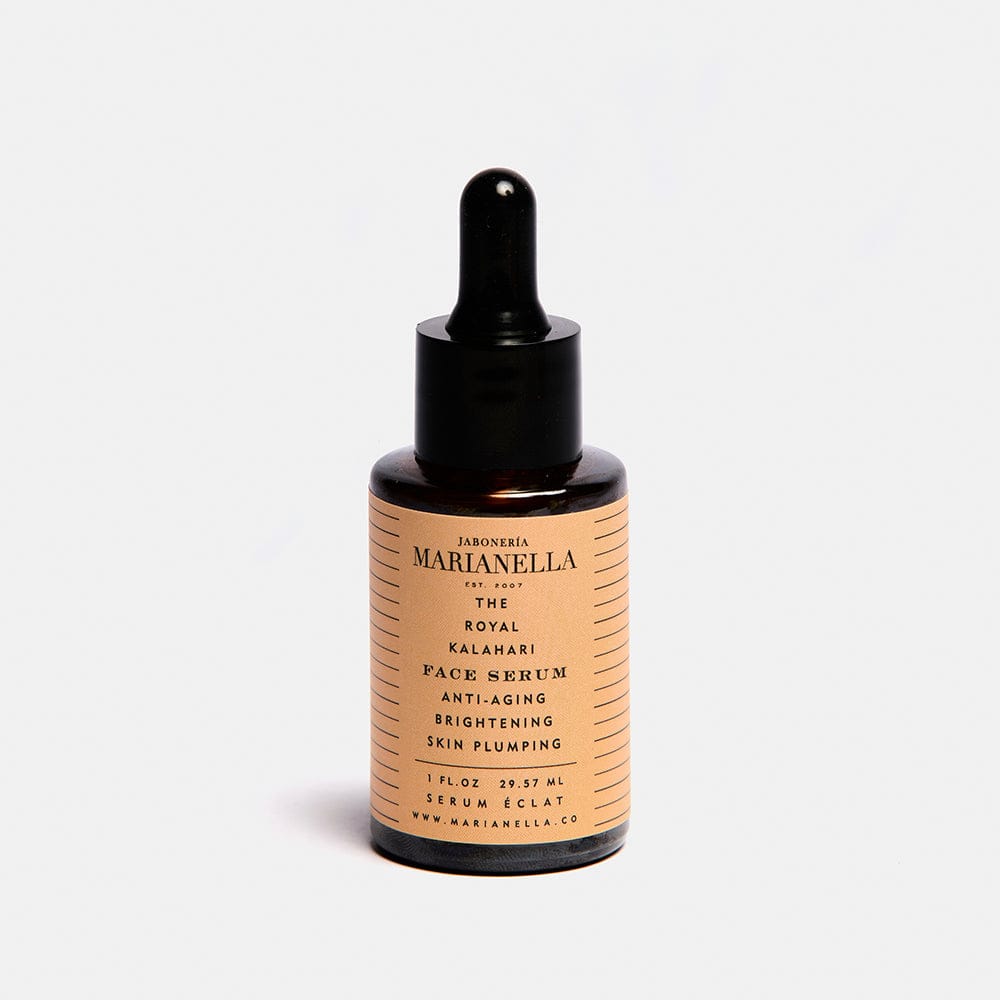
- The Royal Kalahari Face Serum: a light blend of plant oils with no added fragrance, led by Kalahari melon seed oil, for lasting moisture on the mornings after a retinoid night.
Questions about vitamin A
Can vitamin A be used on sensitive skin?
Often, yes, with the gentlest form and a slow start. Retinyl esters are the mildest, and a few nights a week is enough at first.
How long does vitamin A take to show results?
Studies have measured visible changes in wrinkles at around twelve weeks. Most people should allow three to six months of regular use.
Do I need the strongest form for it to work?
No. Lower strengths of retinol have performed well in studies with less irritation. Consistency matters more than strength.
Can I use a peptide serum and retinol together?
Not on the same night with our Ultra Peptide serum. Alternate them, using the peptide serum on the evenings you skip retinol.





















Leave a comment
This site is protected by hCaptcha and the hCaptcha Privacy Policy and Terms of Service apply.