



The truth about safflower oil is that it is a dependable, light moisturizing oil, and which safflower oil you get matters more than most labels admit. The high-linoleic kind, around 70 to 80 percent linoleic acid, is the one that suits skin: it absorbs quickly and supplies a fatty acid the skin's outer layer relies on to hold water. Claims that it erases wrinkles or replaces your night cream go further than the evidence. Here is what holds up, what does not, and how it compares with the oils around it.
One plant, two very different oils
Safflower oil is pressed from the seeds of Carthamus tinctorius, a thistle-like plant with orange-yellow flowers. Plant breeders have produced two main types. High-oleic safflower, with around 75 to 80 percent oleic acid, was developed for the kitchen, where stability under heat matters. High-linoleic safflower flips the ratio, with linoleic acid as the main fatty acid.
The spread is wide. In one study of 87 safflower types, linoleic acid ranged from 37.7 percent in one to 77.73 percent in another. Two bottles both labeled "safflower oil" can behave quite differently on skin. For skin care, the high-linoleic oil is the one you want: lighter, faster to absorb and richer in the fatty acid that the skin's barrier lipids are built with.
How it compares with other plant oils
Oils high in linoleic acid tend to feel thin and dry. Oils high in oleic acid tend to feel richer and more cushioning. Neither is better in the abstract; they suit different skin.
- Rosehip also contains linoleic acid, at roughly 44 to 50 percent against safflower's 70 to 80. It is light and quick to absorb, and suits skin that looks dull or uneven.
- Marula is rich in oleic acid and feels plush and softening, better for dry skin that feels tight.
- Argan is balanced between oleic and linoleic acids, with a soft, non-greasy finish.
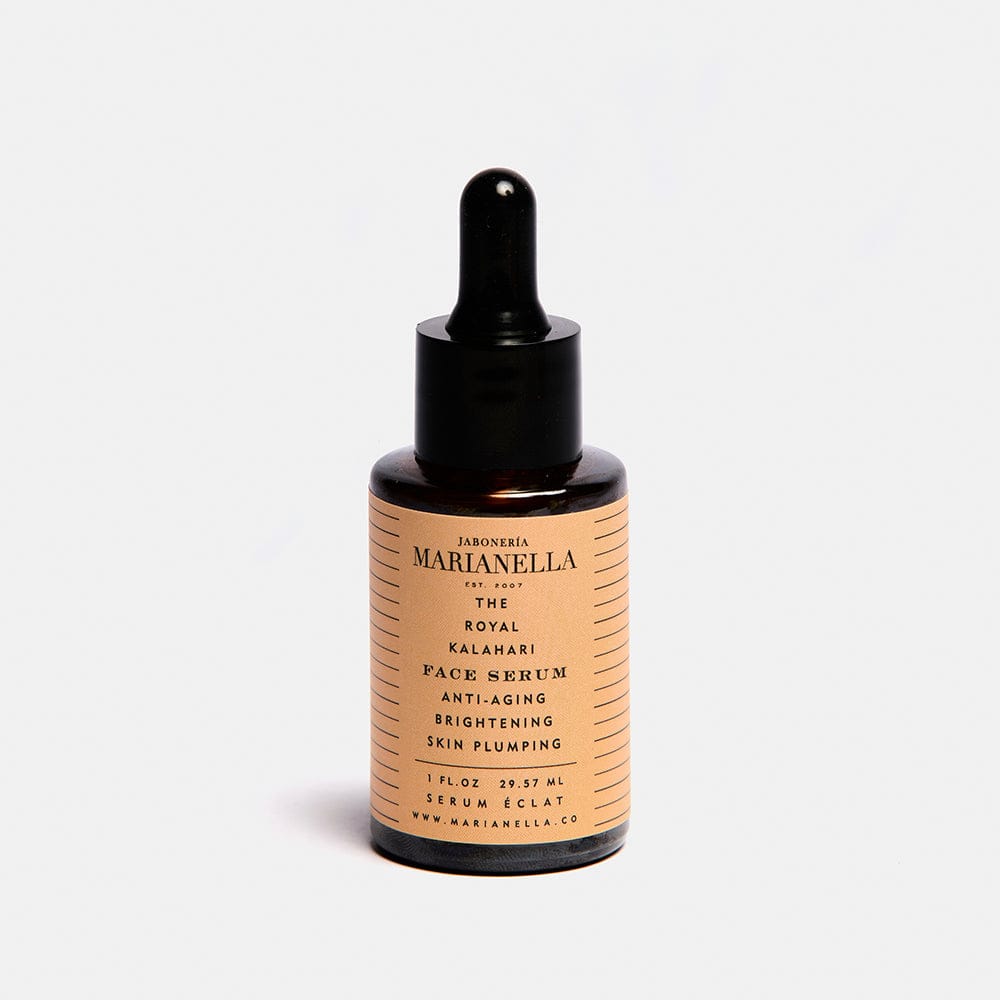
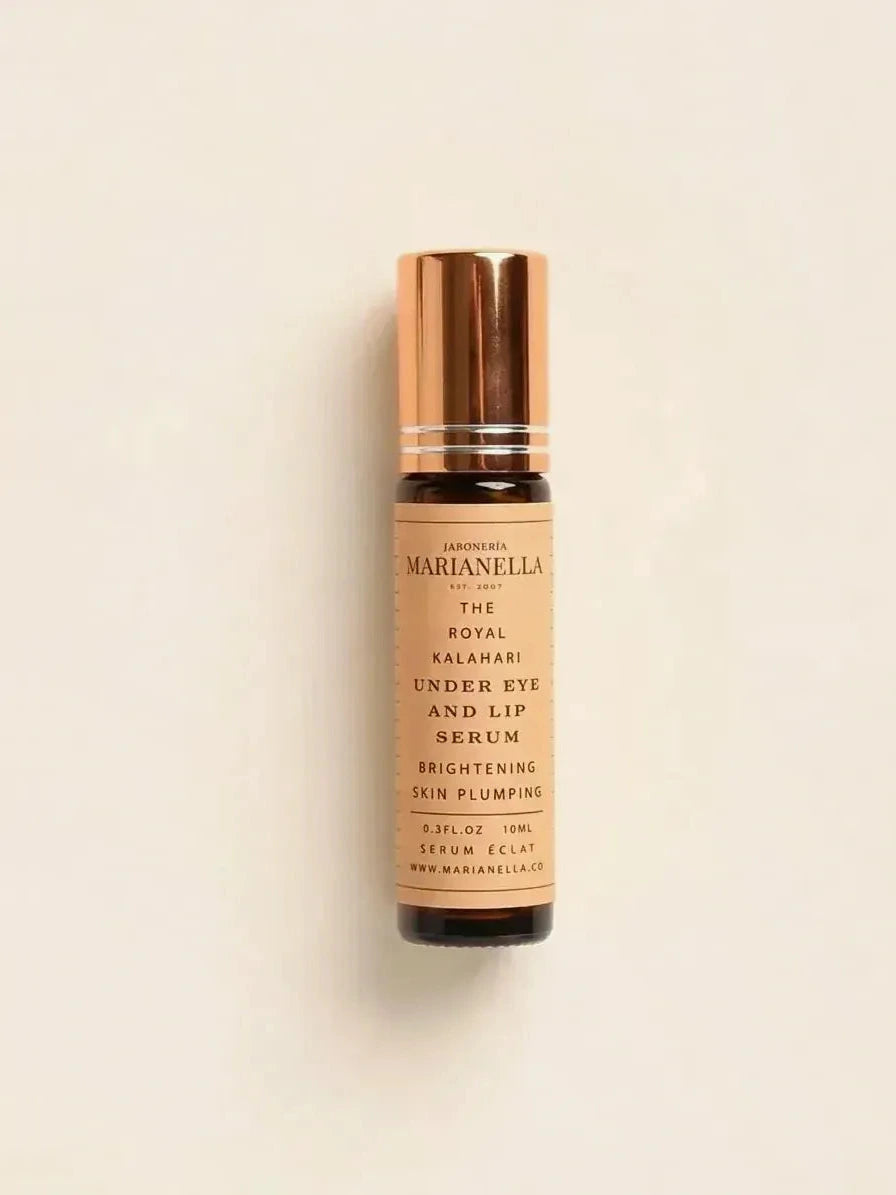
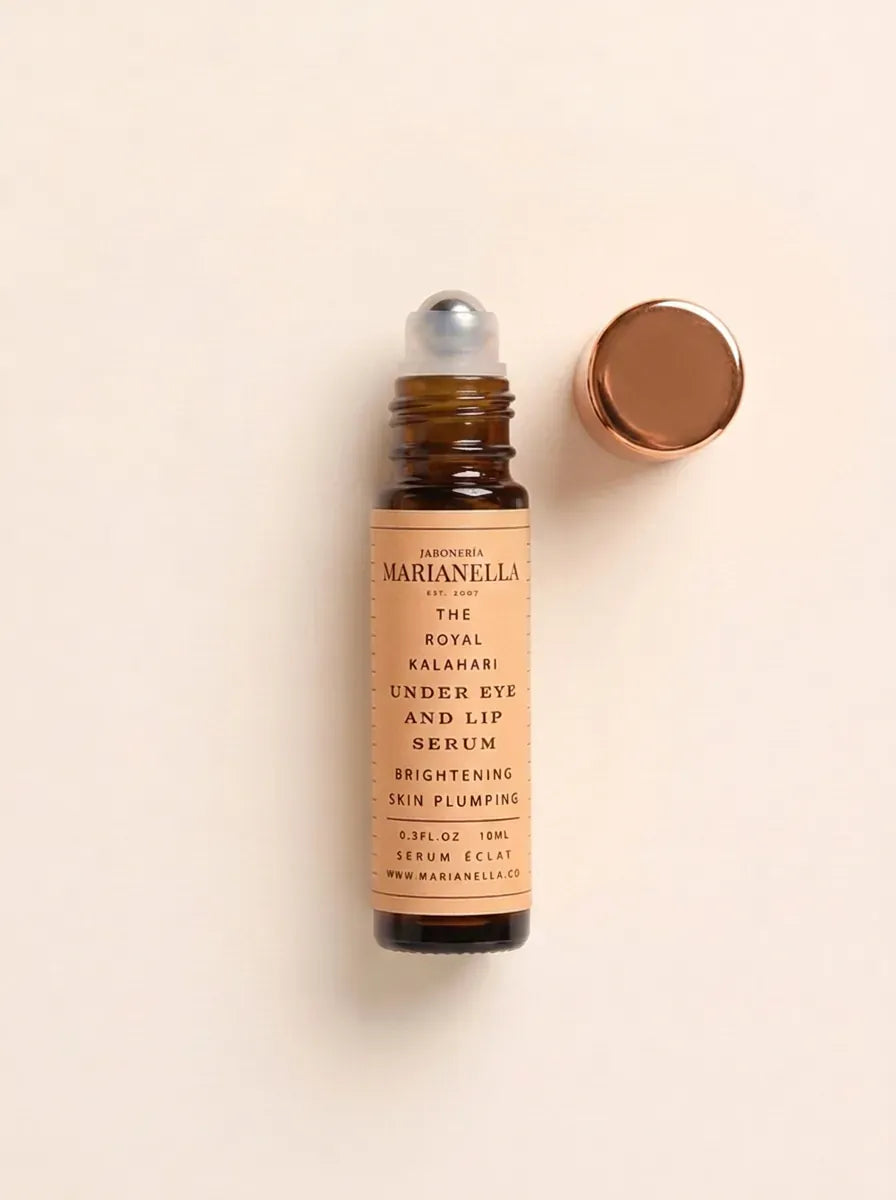
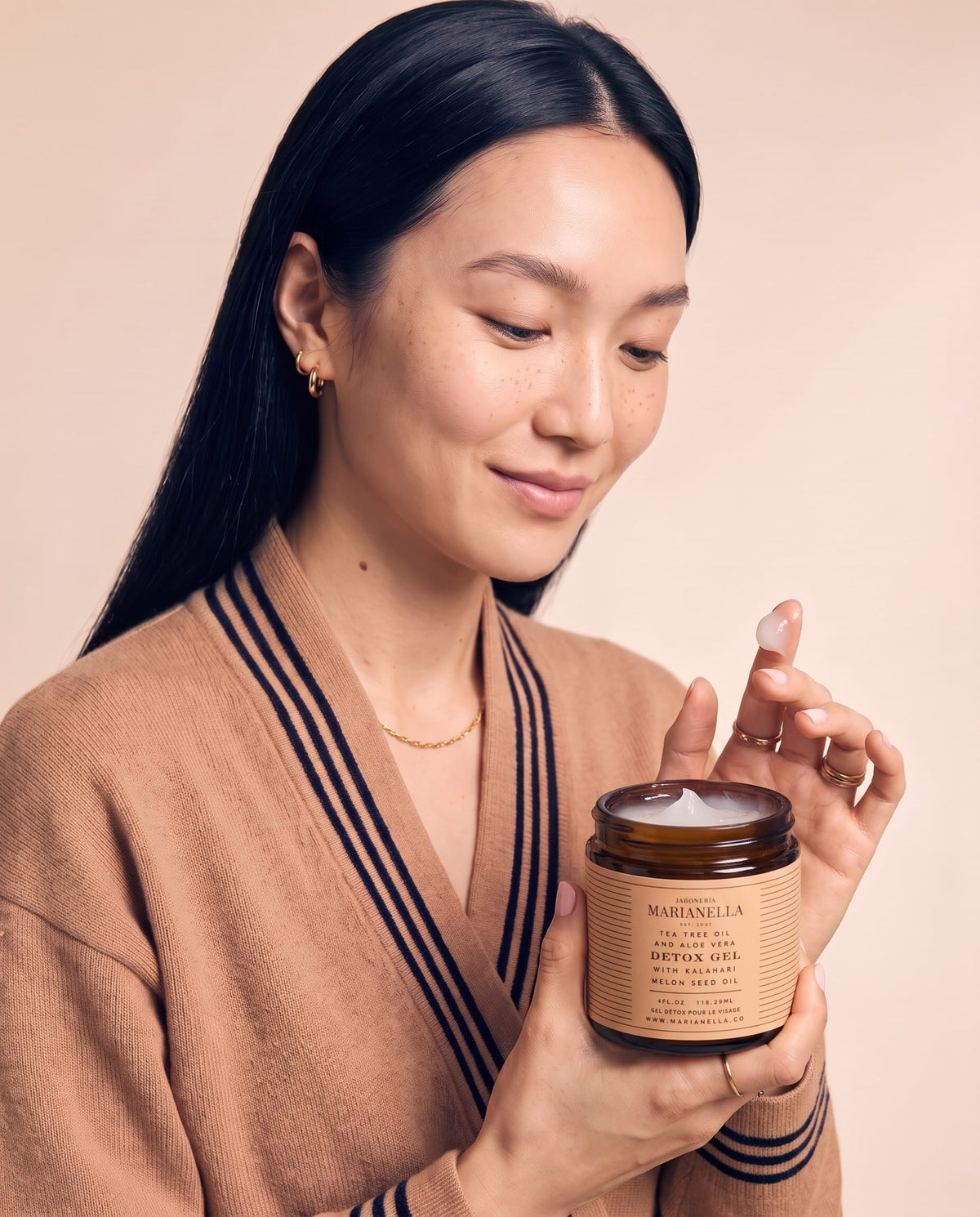
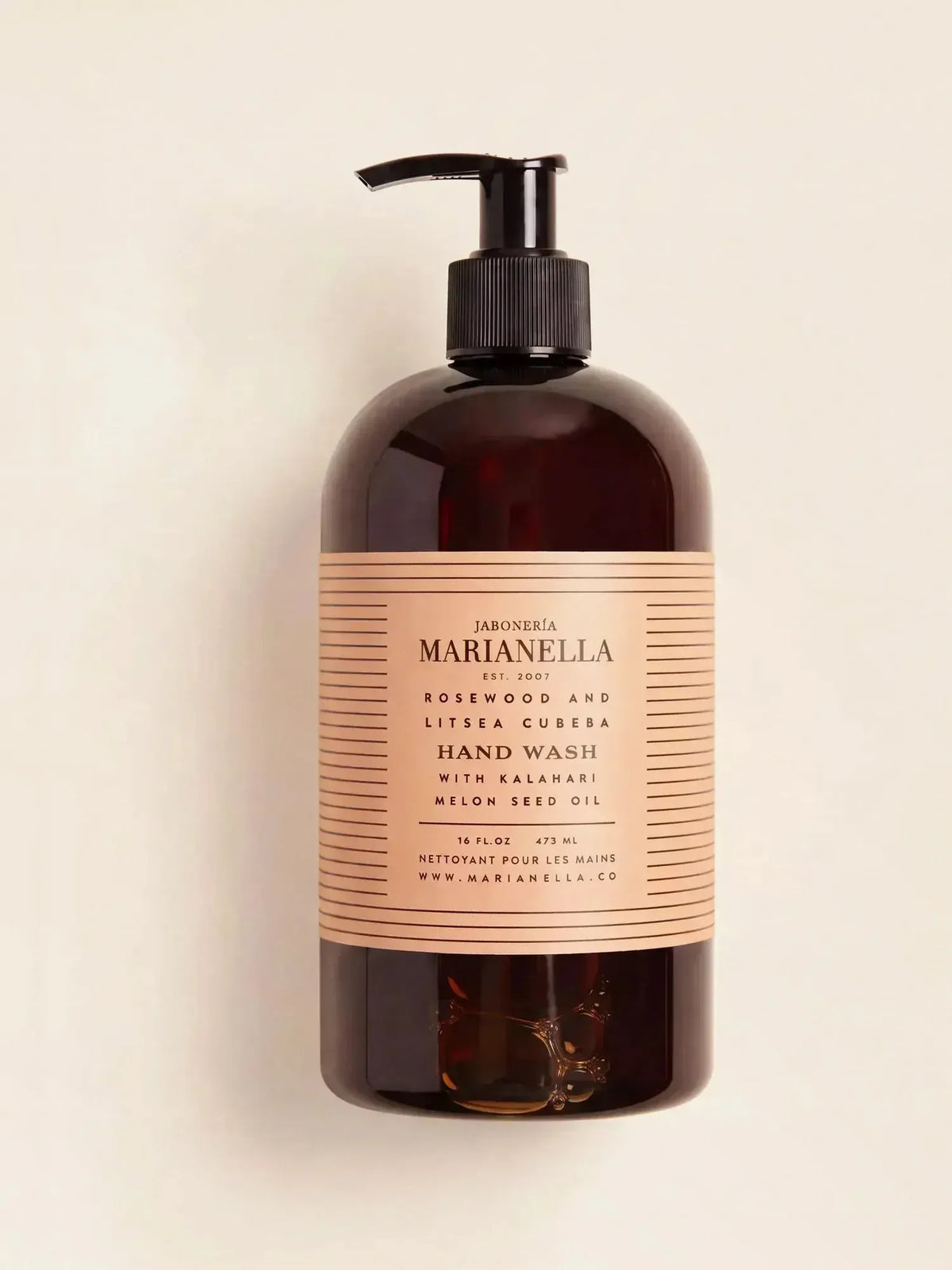
- Kalahari melon seed oil, the hero of our brand, is another featherlight, linoleic-rich oil that helps skin hold moisture without feeling greasy.
Safflower answers one particular need: skin that feels tight but does not want anything heavy on it.
Claim: "It will not clog pores"
Safflower is often recommended for blemish-prone and combination skin because it is so light and so high in linoleic acid, and many people find it comfortable. But no oil comes with a guarantee. How a product feels on your skin depends on the whole formula, not one ingredient. If your skin breaks out easily, patch test a new product on a small area before using it widely.
Claim: "It can replace a night cream"
An oil softens and helps hold in water that is already there; it does not add water of its own. On its own over dry skin, safflower oil has little to hold. Smoothed over skin that is still damp, it does far more. That is why oils work best straight after a bath or shower, and why a cream with water-binding ingredients such as aloe and glycerin is still useful for very dry skin.
Claim: "It fights wrinkles"
The wrinkle claims rest mostly on lab work, with enzymes in test tubes and skin cells in dishes, and on small studies in people that used safflower extract rather than the seed oil. Those are early, indirect results, and they do not describe what a body product made with the oil will do. What safflower oil reliably does is soften skin and help it hold moisture, which makes fine dryness lines look less obvious. That is real, and it is not the same as changing how skin ages.
The real weak spot: freshness
The same polyunsaturated fats that make safflower light make it react with air over time. As it oxidizes, the oil loses its fresh scent and pleasant feel. Safflower carries its own vitamin E, mostly alpha-tocopherol, which slows this down, but it cannot stop it. Buy it in products that were made recently, keep lids closed, and use them up rather than saving them.
Where we use safflower oil
We use safflower oil in one product, where its lightness counts: our Hawaiian Black Lava Body Caviar Body Scrub with Charcoal. There it joins coconut, macadamia, kukui, passion fruit and Kalahari melon seed oils, carrying sea salt and organic sugar over wet skin. The salt and sugar buff away dull surface skin; the oils leave it soft and moisturized, never tight. We make it by hand in small batches, so each jar is recent.
Questions about safflower oil claims
How can I tell if a product uses high-linoleic safflower oil?
Labels rarely say. A product sold for its light, quick-absorbing feel is usually made with the high-linoleic type; the high-oleic type is mostly used for cooking.
Is safflower oil better than rosehip oil?
Neither is better; they differ. Safflower is higher in linoleic acid and lighter. Rosehip contains less linoleic acid and is often chosen for skin that looks dull or uneven.
Does safflower oil contain vitamin E?
Yes, mostly as alpha-tocopherol. It helps protect the oil's own fats from going stale in the jar.
Why does safflower oil go off faster than some oils?
Because it is mostly polyunsaturated fat, which reacts with air more readily than the fats in oleic-rich oils such as marula. Keep it closed and use it while it is fresh.





















Leave a comment
This site is protected by hCaptcha and the hCaptcha Privacy Policy and Terms of Service apply.