


Lemon on skin is neither a miracle nor a hazard. What it does depends on which part of the lemon you mean and whether the product washes off. A lemon peel extract brings flavonoids, mainly eriocitrin and hesperidin, which work as antioxidants and sit comfortably in a face serum. Cold-pressed lemon peel oil is a different material: it carries compounds that react with sunlight, so it belongs in products that rinse away, or in leave-on products only at very low levels. Raw lemon juice belongs in the kitchen.
Zest a lemon in the morning and you can still smell it on your fingers at lunch. That scent is the peel oil. It is the part of the fruit people love most, and it is also the part that needs the most care on skin.
Three different lemons on an ingredient list
"Lemon" on a label can mean three quite different things, and most of the confusion about lemon in skincare comes from mixing them up.
- Lemon fruit or peel extract. A water-based extract valued for its flavonoids and phenolic acids. This is what most face formulas mean by lemon extract.
- Lemon peel oil. The fragrant oil from the zest, made mostly of limonene. Cold-pressed peel oil also contains bergapten and related compounds; distilled peel oil contains almost none.
- Lemon juice. Citric acid, sugars and a little vitamin C, at an acidity high enough to sting.
The INCI name on the ingredient list tells you which one you have. Citrus Limon Fruit Extract or Peel Extract is the extract. Citrus Limon Peel Oil is the essential oil.
What holds up: antioxidants from the peel
Lemon peel is rich in polyphenols. A 2024 analysis of lemon peel extract found that the two most abundant were eriocitrin and hesperidin, both flavonoids. A 2024 review of lemon in cosmetics lists antioxidant care, a brighter look and help keeping a formula fresh among its main uses.
How strong is it as an antioxidant? Strong in one test and weaker in another. In a study of lemon peel extracts, one extract matched vitamin C and rutin at mopping up free radicals in a standard lab test, but fell well short of both in a second test that measured reducing power. That is the honest picture: lemon extract is a useful partner for vitamin C, not a replacement for it. It is also the best argument for putting the two in the same bottle.
What gets overstated
"Lemon fades dark spots"
Lemon compounds do slow tyrosinase, the enzyme involved in making pigment, in laboratory tests. That work is mostly in test tubes, not on faces, and in a finished serum much of the brightening usually comes from the vitamin C beside the lemon. Think of lemon extract as support for a brighter, more even look rather than the lead.
"Lemon juice is a natural exfoliant"
Juice does contain citric acid, an alpha hydroxy acid. But juice squeezed at home is unbuffered and different every time, and if the squeeze carries peel oil it brings the sun problem with it. A formulated product controls the acidity and the kind of lemon; half a lemon does neither.
"Natural means gentle"
Limonene, the main part of lemon oil, reacts with air over time. Oxidized limonene is a recognized contact allergen, and patch-test studies find that a small share of people react to it. Keep any lemon-scented bottle closed between uses and away from heat, and if you know you react to fragrance, read the label first.
Rinse-off or leave-on: why the format decides
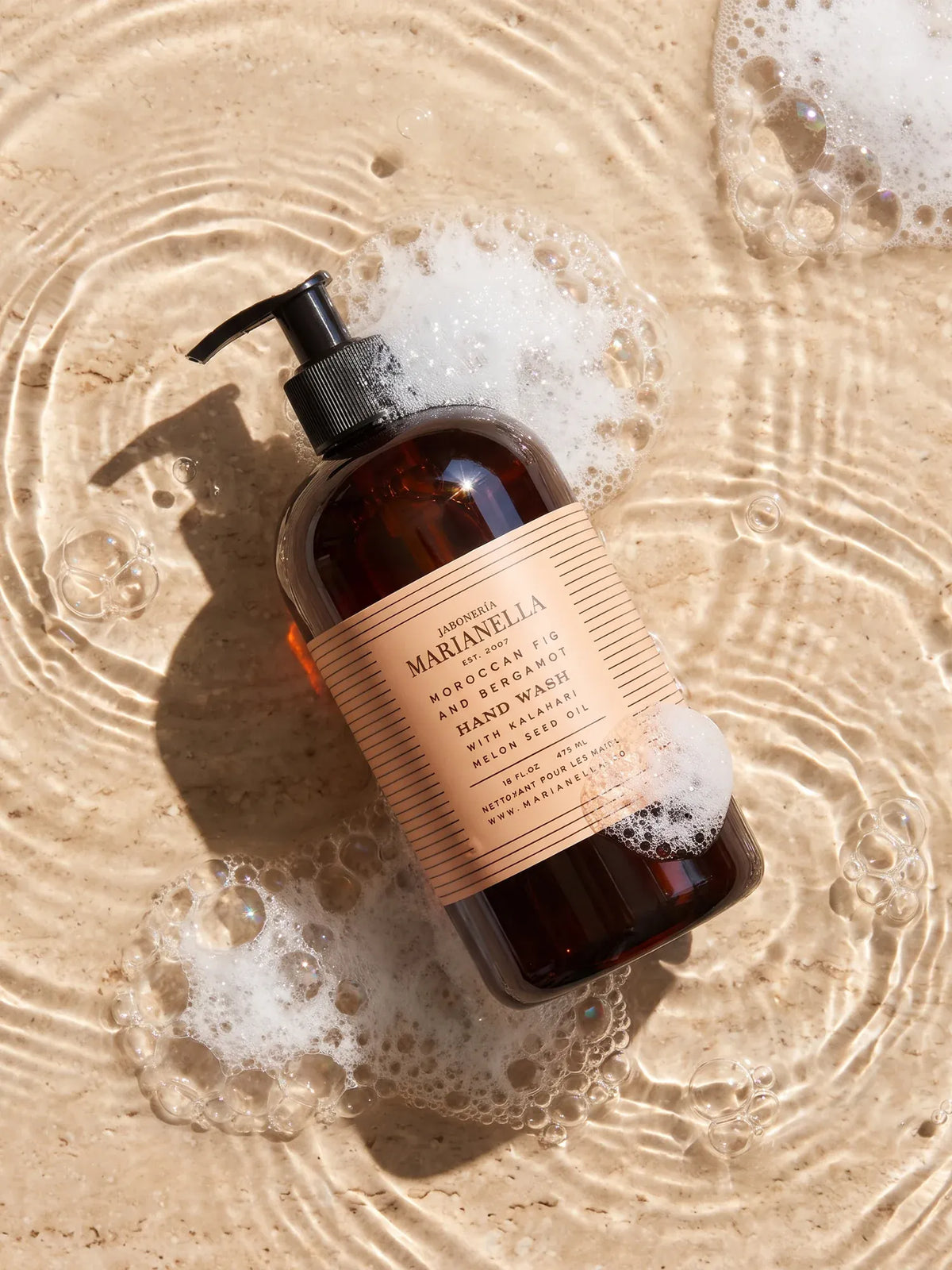
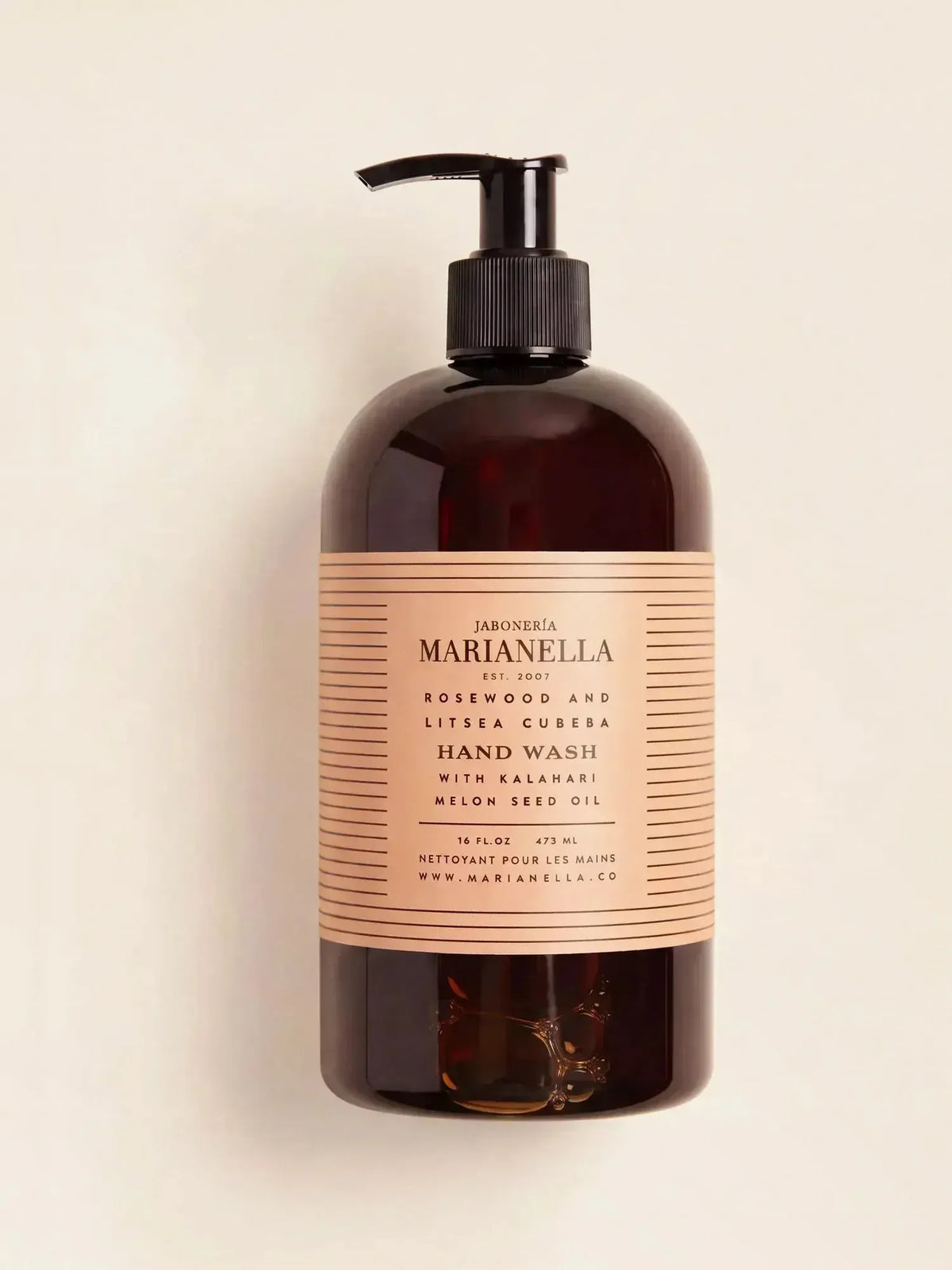
Soaps and washes
Soap rinses off before the sun has time to matter. The international fragrance standard for citrus oils makes the same distinction: its limit on bergapten applies to leave-on products on skin exposed to sunlight, and it excludes rinse-off products. A lemon wash can carry cold-pressed oil for its bright scent without much concern.
Face serums
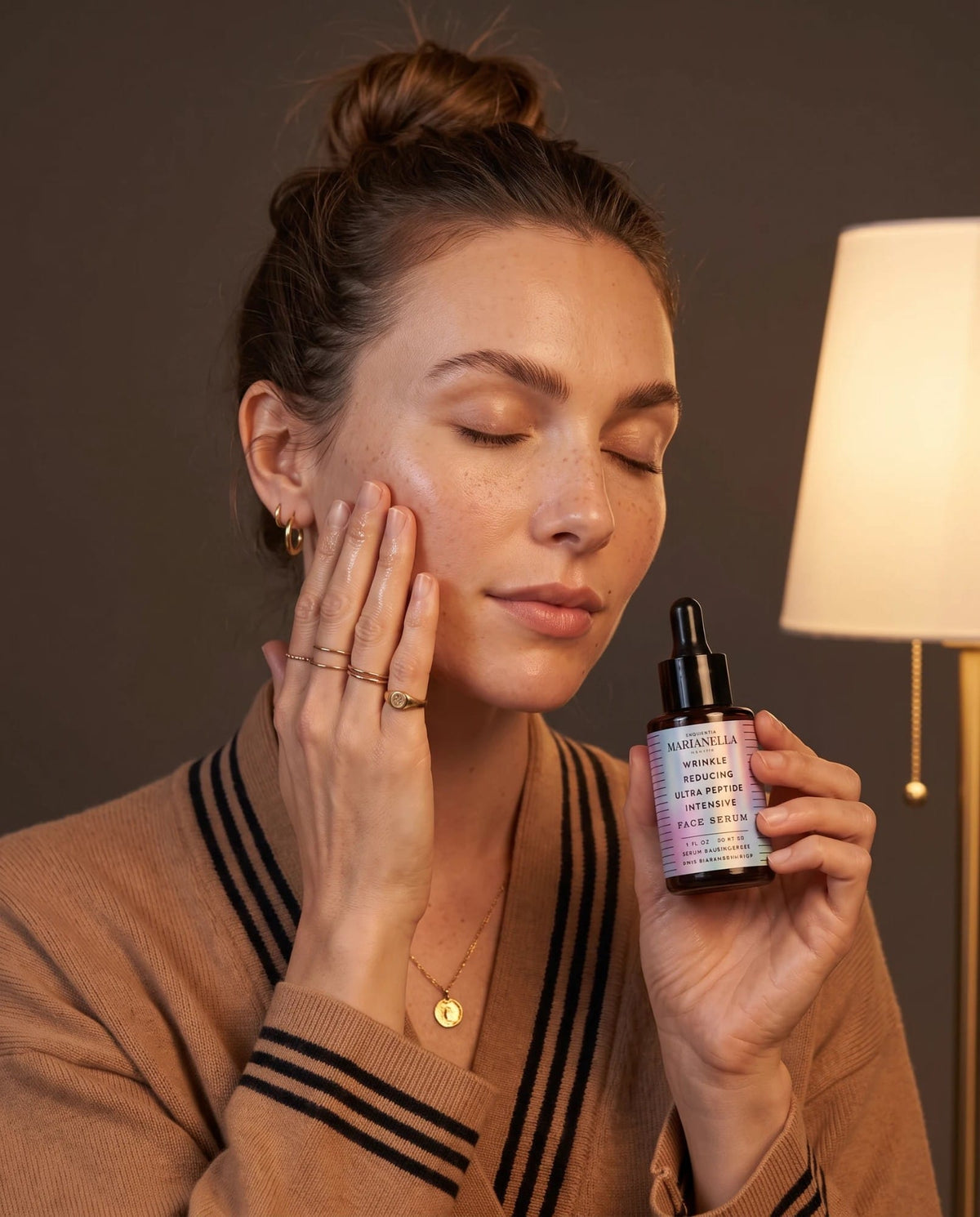
A serum stays on the face all day, which is where the peel's flavonoids do their most useful work. The usual choice here is a peel or fruit extract, which carries the antioxidants without the sun-reactive compounds.
Lotions and body oils
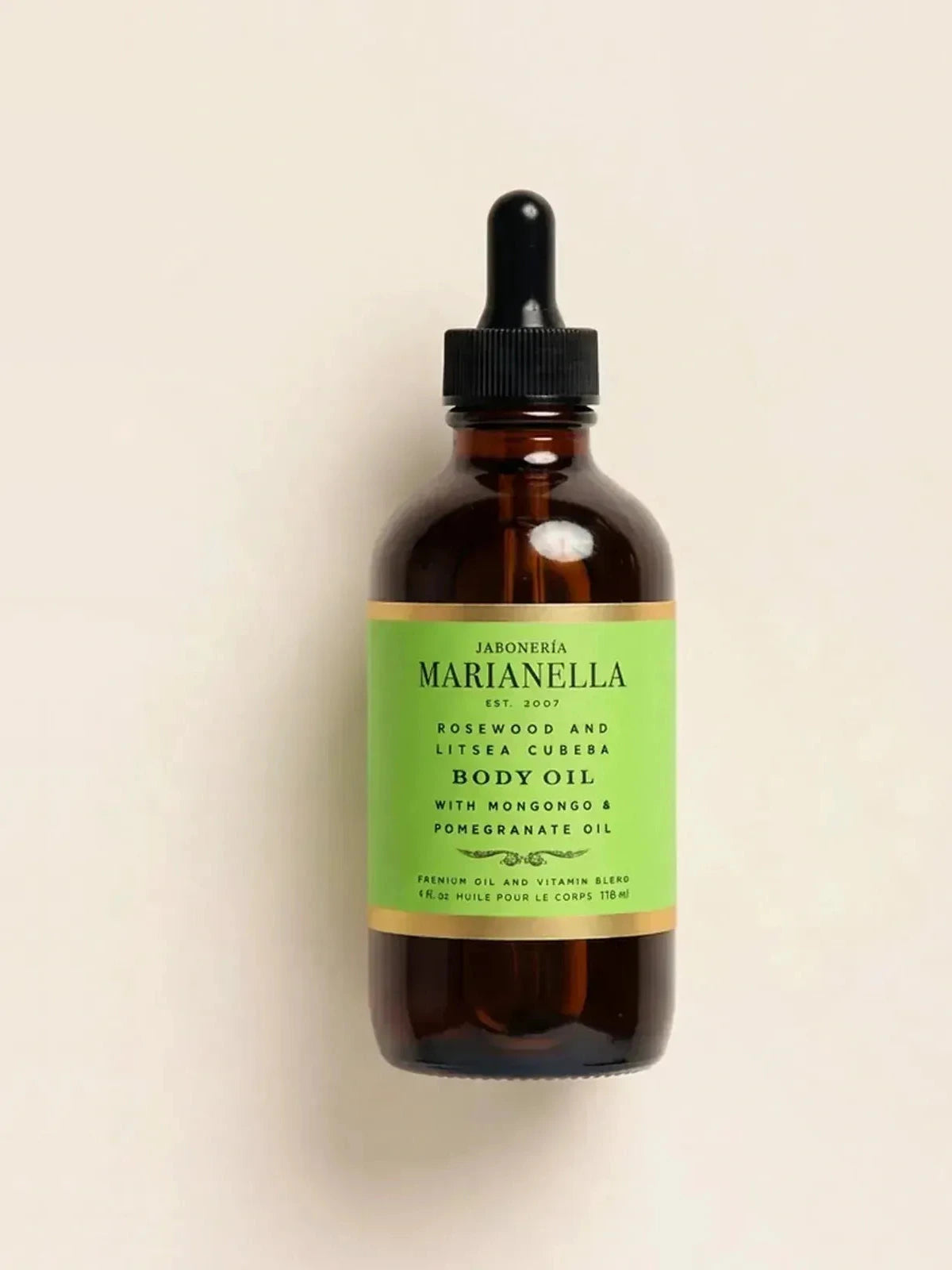
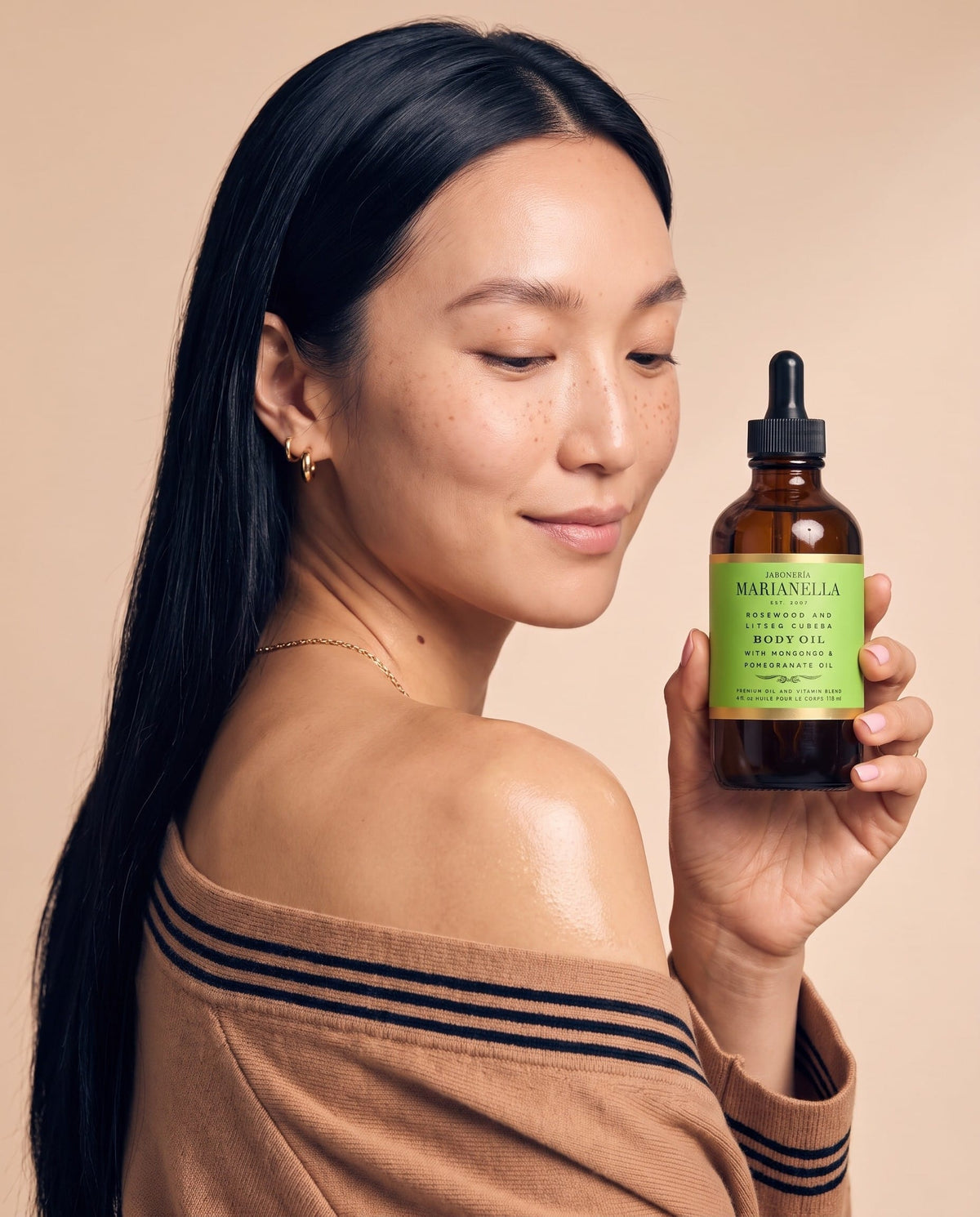
Body lotion and body oil sit on your arms, shoulders and neck for hours, often the first places the sun reaches. Almost all the plant compounds that cause sun reactions belong to one family, the furanocoumarins, and cold-pressed lemon peel oil contains them. How the oil is made changes everything: furanocoumarins are heavy molecules that do not evaporate, so they do not pass into the oil during distillation. A body oil scented with distilled or furanocoumarin-free lemon oil can be worn into a sunny afternoon. One made with cold-pressed lemon oil above the industry limit should not be.
Where lemon goes on our own shelf
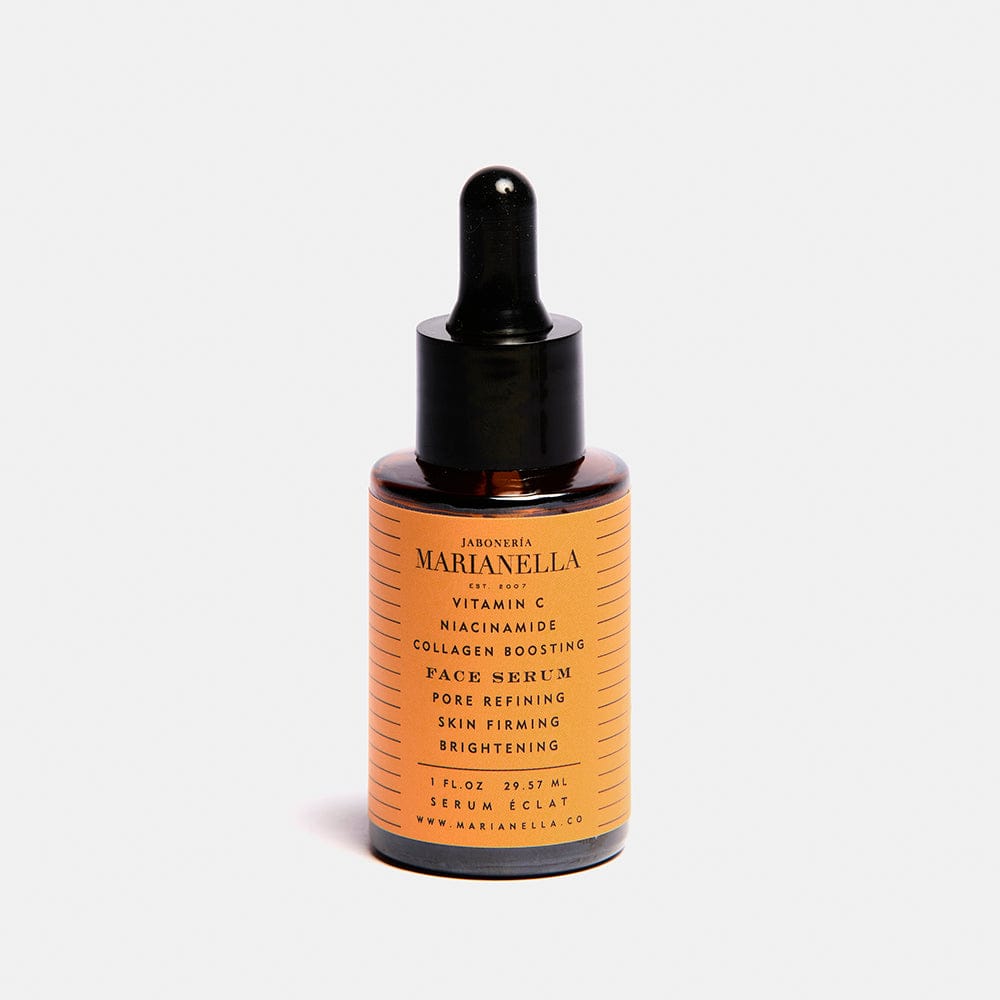
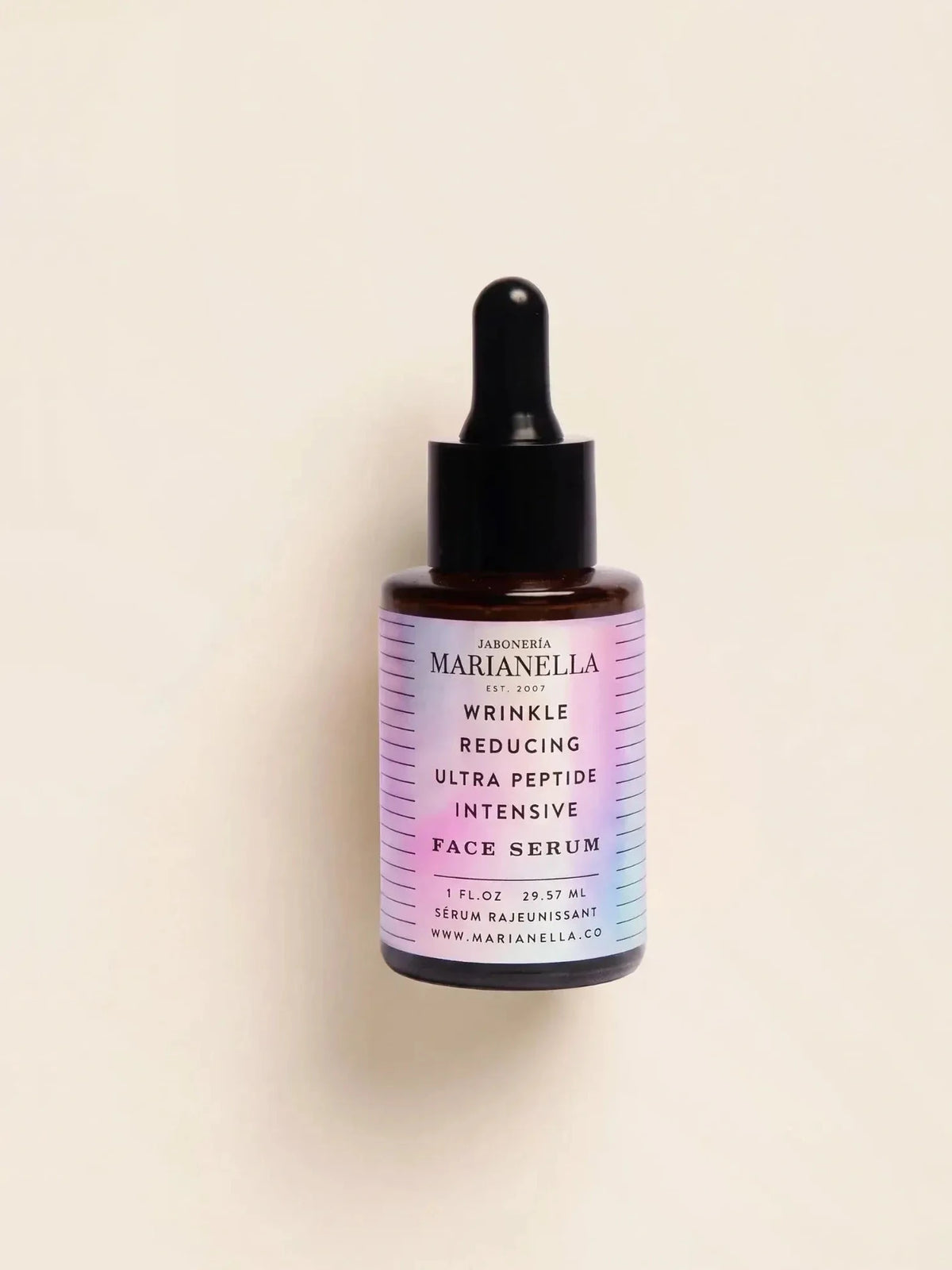
We put lemon extract on the face, where it does the most good. Our Vitamin C Collagen Boosting Face Serum with Niacinamide includes it in a blend of bilberry, sugar cane, maple, orange and lemon extracts that gives the serum a fresh, soft feel. The brightening work is led by ethyl ascorbic acid, a stabilized form of vitamin C, and niacinamide, with aloe, cucumber and sodium hyaluronate for light hydration. Press three or four drops into clean skin, wait a moment, then follow with moisturizer or a face oil. In the morning, finish with sunscreen.

Every ingredient we use is listed, with where it comes from, in our Ingredient Library.
Questions we hear about lemon on skin
Does lemon extract make skin more sensitive to the sun?
Lemon peel extract and distilled lemon oil contain almost none of the compounds that react with sunlight. Cold-pressed lemon peel oil does, which is why leave-on products keep it to very low levels. In soaps and other rinse-off products it is generally not a concern.
Is lemon extract the same as lemon essential oil?
No. Lemon extract is valued for its flavonoids, such as eriocitrin and hesperidin. Lemon essential oil is mostly limonene, and if it is cold-pressed it also contains bergapten. The INCI name on the label tells you which one a product uses.
Can I use lemon juice on my face instead?
We would not. Fresh juice is strongly acidic, varies from fruit to fruit, and can carry peel oil from the squeeze. A formulated serum gives you lemon's antioxidants at a level and acidity that suit skin.
Why does a vitamin C serum include lemon extract as well?
Because the two cover different ground. In lab tests lemon peel extract matched vitamin C in one antioxidant measure and fell short in another, so together they do more than either alone. In our serum, vitamin C and niacinamide lead and the fruit extracts support them.


















Leave a comment
This site is protected by hCaptcha and the hCaptcha Privacy Policy and Terms of Service apply.