


Kukui nut oil is pressed from the nuts of the candlenut tree, the state tree of Hawaii, and its main gift to skin is light, fast moisture. About 70 percent of it is polyunsaturated fat, mostly linoleic and alpha-linolenic acids, which makes it one of the most polyunsaturated oils you can buy. That is why it spreads thin, sinks in quickly and leaves skin soft without a slick on top, and why it helps the skin's surface hold on to moisture.
Where kukui nut oil comes from
The kukui tree, Aleurites moluccana, is the official state tree of Hawaii, and its English name gives away its history. The nuts are so rich in oil that Hawaiians burned them, and the oil inside them, to light the night. Hence candlenut.
The same oil was kept for skin. Its use in Hawaii as a moisturizing and massage oil goes back a very long way. Today it is pressed from the nuts and used in body oils, lotions, scrubs and face products.
A fatty acid profile few oils share
Linoleic acid, an omega-6, makes up roughly 40 percent of kukui nut oil, and alpha-linolenic acid, an omega-3, another 25 to 30 percent. Oleic acid is low by comparison, at around 15 percent. That sets it apart from the more common oleic-rich oils such as argan, macadamia and avocado.
The profile is also remarkably steady. A study of kukui oils from Hawaii and Tonga, collected over ten years, found their fatty acid profiles were essentially identical despite changes in harvest and production. For anyone formulating with it, that consistency is valuable: the oil you buy this year behaves like the oil you bought last year.
Why it sinks in instead of sitting on top
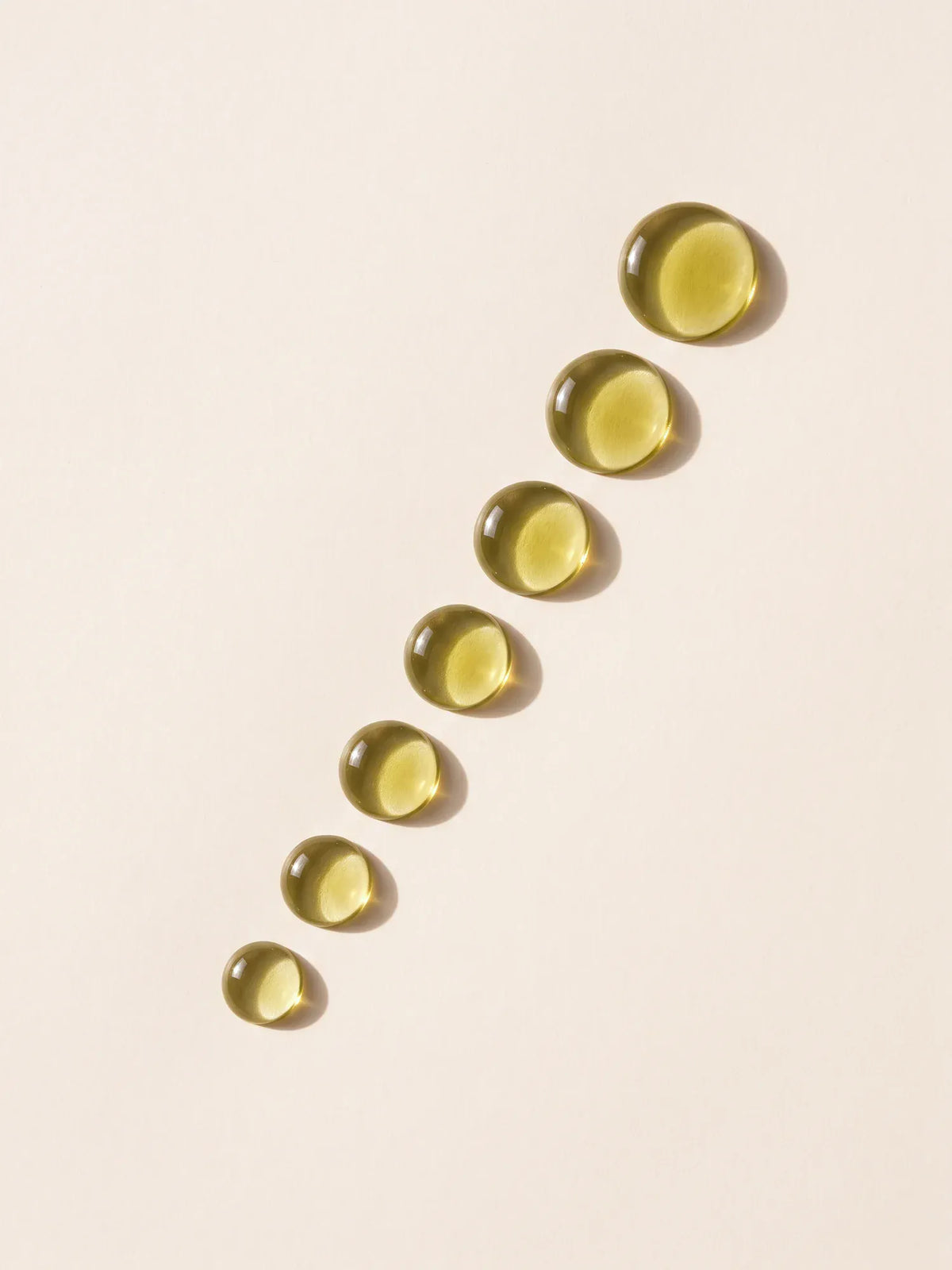
Polyunsaturated fatty acids have kinked carbon chains that do not pack tightly together, so an oil made mostly of them stays thin and fluid. Kukui spreads easily and absorbs without leaving a heavy film. In practice, you can pull on a sweater soon after and nothing sticks to the sleeve.
That lightness is the main reason to choose kukui over a richer oil. It suits people who like the feel of an oil but not the feel of wearing one.
What it gives the skin's surface
Linoleic acid does a structural job. Skin uses it to make one of the key ceramides that hold the outer layer together, the lipids that slow the water escaping into the air. An oil rich in linoleic acid helps keep that layer soft and supple, so skin holds its moisture through a cold, windy day rather than losing it to the radiator.
Kukui also carries small amounts of vitamin E and plant sterols. The vitamin E adds antioxidant care and helps protect the oil itself.
Why it suits a body scrub
A scrub takes something away, and what matters is what it leaves behind. In our Hawaiian Black Lava Body Caviar, sea salt and organic sugar do the buffing and coffee bean adds an aromatic, invigorating texture, while charcoal powder gives it the black of volcanic sand. Kukui is one of the oils in the jar, with safflower, coconut, macadamia, passion fruit and Kalahari melon seed. Once the grit rinses away, a light oil like kukui is what stays on freshly polished skin, so you step out feeling cushioned rather than tight.
We use it about once a week, in the shower after washing. A palmful, massaged over wet skin from the neck down, is enough.
Kukui nut oil in other formats
You will find kukui in serums, soaps, lotions and body oils as well. In anything you leave on, a body oil, a lotion or a face oil, it adds silky slip and a soft finish, and its low tendency to clog pores means it suits faces as well as bodies. In anything that rinses off, a soap, wash or scrub, its job is to keep cleansing from leaving skin tight.
Reading the label and keeping it fresh
On an ingredient list kukui nut oil appears as Aleurites Moluccana Seed Oil. The same polyunsaturated fats that make it light also make it delicate: linoleic and alpha-linolenic acids are prone to oxidation, and some of kukui's fatty acids are sensitive to heat. Put the lid back on, and keep the jar out of the hottest spot in the bathroom. Every oil we use, and where it comes from, is in our Ingredient Library.
Questions about kukui nut oil
Is kukui nut oil the same as candlenut oil?
Yes. In Hawaii the tree is called kukui; its English name, candlenut, comes from the way its nuts and oil were burned for light.
Does kukui nut oil feel greasy?
No. Because its fatty acids are mostly polyunsaturated, it spreads thin and absorbs fast, without a heavy film.
Is kukui nut oil good for oily or breakout-prone skin?
It can be. It is rated low for clogging pores, and many formulators consider its high linoleic acid a good match for oily and acne-prone skin. Try it on a small patch first, especially if you have a nut allergy.
How often should I use a kukui nut oil body scrub?
Once a week is how we use the Hawaiian Black Lava Body Caviar: a palmful over wet skin after the wash, then rinse.






















Leave a comment
This site is protected by hCaptcha and the hCaptcha Privacy Policy and Terms of Service apply.