


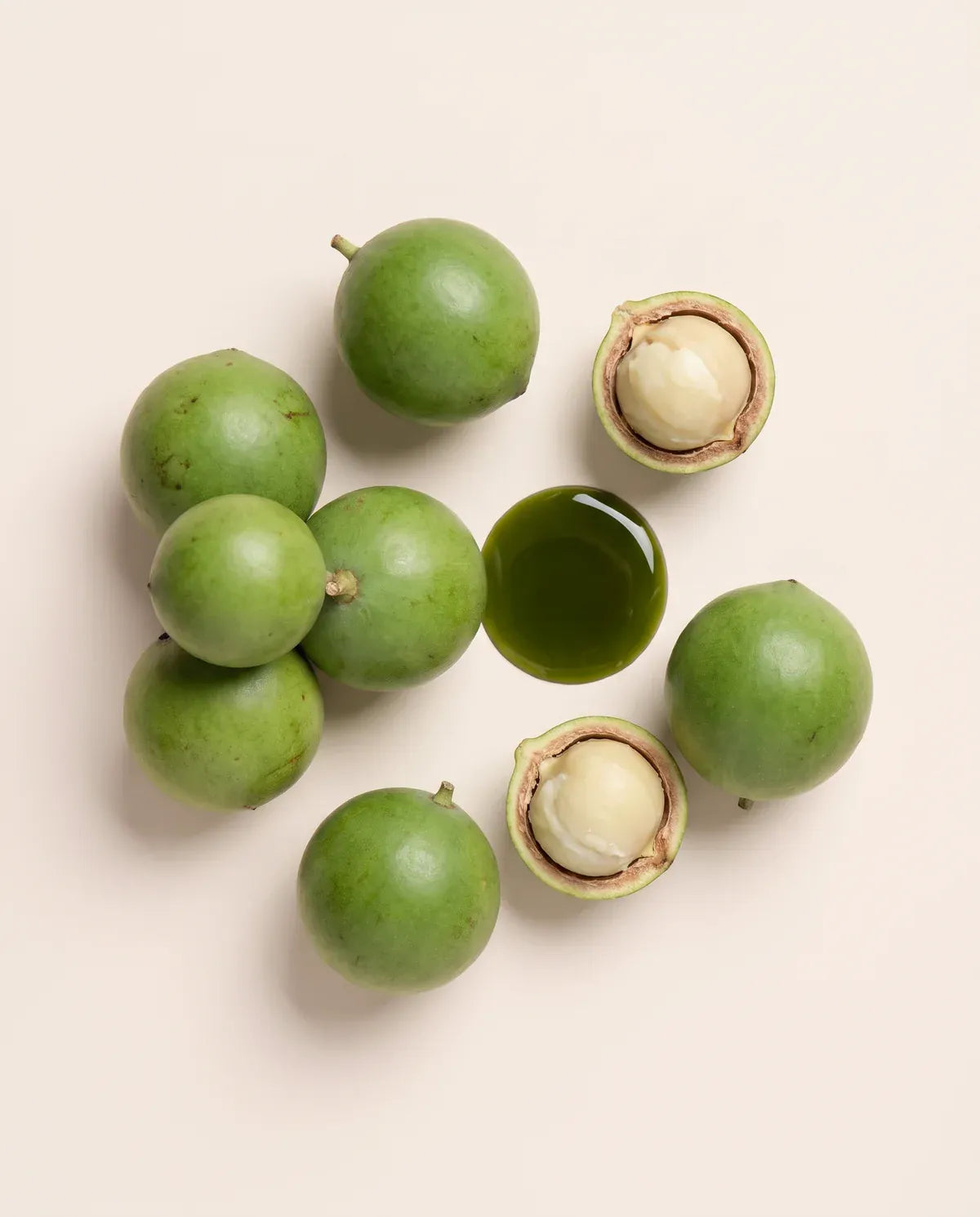
The research on tamanu oil supports a modest, useful claim: it is a rich, conditioning plant oil whose fatty acids, sterols and vitamin E leave dry or weathered skin feeling comforted. Its unusual resin has made it a favorite of laboratory researchers, but most of the dramatic results you read about come from skin cells in dishes and from animal studies, not from people using a face oil. Here is what the evidence shows, what it does not, and how we use tamanu in our formulas.
What tamanu oil is
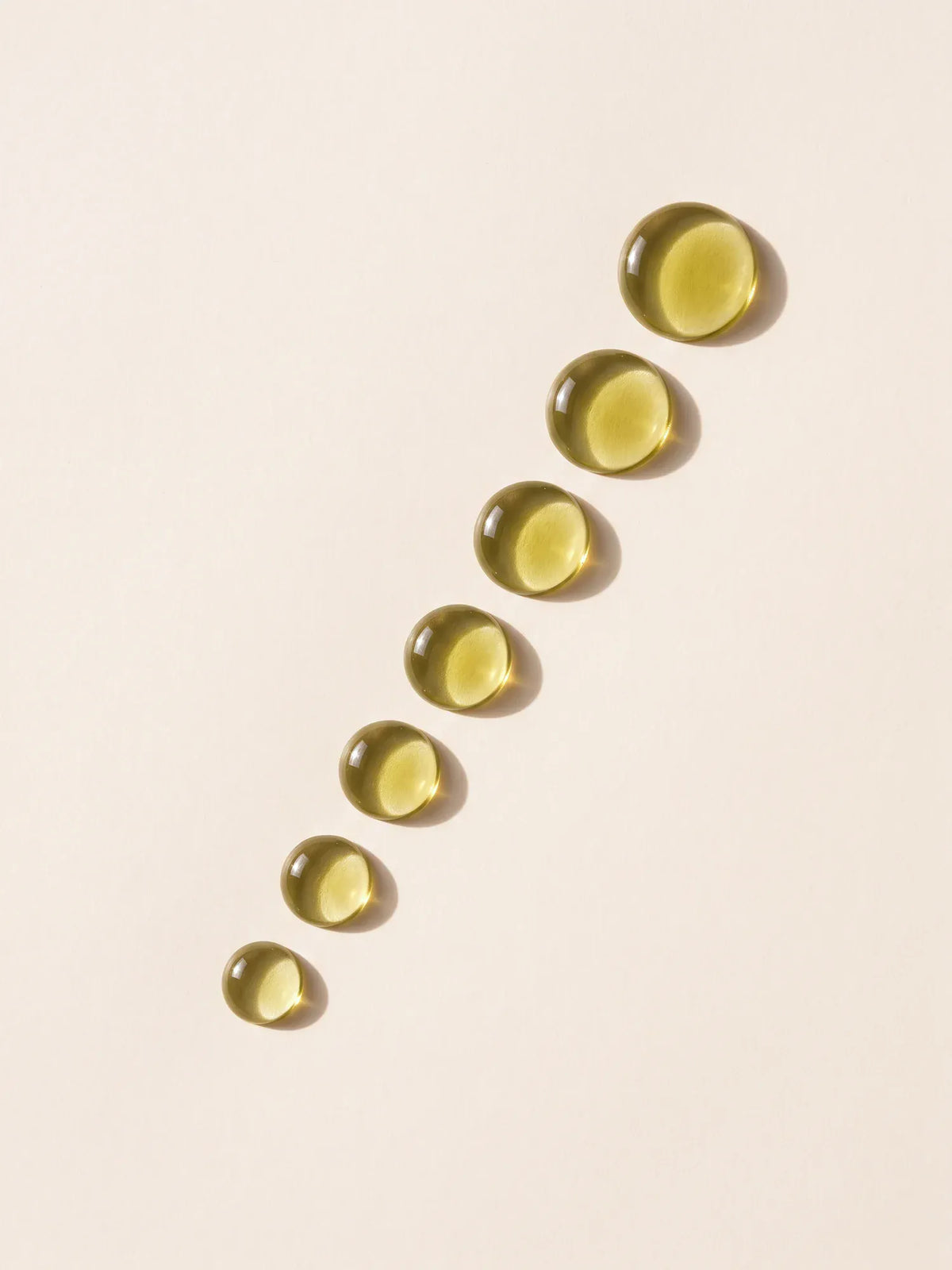
Tamanu oil is pressed from the nut of Calophyllum inophyllum, an evergreen tree of tropical shorelines, especially in Polynesia, where it is called tamanu. On an ingredient list it appears as Calophyllum Inophyllum Seed Oil. In the bottle it is unmistakable: thick, deep green to brown, with a strong nutty smell. Researchers name that scent and the oil's high viscosity as the two things formulators have to work around.
The tree has a long history of traditional use across the islands of the Indian and Pacific Oceans, and it is planted widely, including along roadsides in Okinawa, where some of the newer research comes from.
Well supported: a rich, conditioning oil
Most of tamanu oil is ordinary plant fat, in proportions that suit dry skin. One recent analysis found oleic acid at about 43 percent, linoleic acid at about 26 percent, stearic acid at about 17 percent and palmitic acid at about 13 percent. That mix of richer saturated fats with lighter unsaturated ones is why the oil feels dense and stays on the skin rather than disappearing.
A small fraction of the oil, between 0.5 and 2 percent, is made of phytosterols, tocopherols and tocotrienols, the vitamin E family. Together with the fatty acids, these give tamanu its comforting, cushioning feel. This part of the story is plain chemistry and is well established.
The resin, and why researchers study it
What sets tamanu apart is a resinous fraction that makes up 10 to 20 percent of the oil. It contains compounds found in few other plant oils, chief among them calophyllolide, along with related molecules called inophyllums, calanolides and tamanolides. Some of these show antioxidant activity in standard laboratory tests.
These compounds are the reason tamanu attracts so much scientific interest. They are also the reason so many bold claims are made for it, because laboratory activity is easy to overstate.
Where the claims run ahead of the evidence
Many articles describe tamanu as if it were a medicine. The studies behind those claims were mostly done on cultured skin cells or on animals, often with extracts rather than the oil as you would use it. Even reviews that are enthusiastic about tamanu acknowledge that clear mechanisms are still missing and that strong human evidence is lacking.
Results in a dish are a starting point for research, not a promise about your skin, and we do not make medical claims for tamanu or for any formula that contains it. What a face oil with tamanu can honestly offer is comfort, softness and a nourished feel on dry skin.
Not a sunscreen
Tamanu oil absorbs some ultraviolet light, and its resin compounds absorb strongly in part of the UV range. That has led to claims that it protects skin from the sun. It does not replace sunscreen, and nothing in our routines asks it to. Wear a proper sunscreen during the day, over any face oil.
No two tamanu oils are the same
One research team put it simply: there is no typical tamanu oil, only a range of oils with quite different compositions. The makeup depends on where the nuts were grown and how the oil was extracted, so two bottles with the same name can behave differently on skin. Cold-pressed tamanu has shown good stability against oxidation, which is one reason careful sourcing and pressing matter.
Because it is pressed from a nut, people with tree-nut or peanut allergy should avoid it or patch test with care.
How we use it
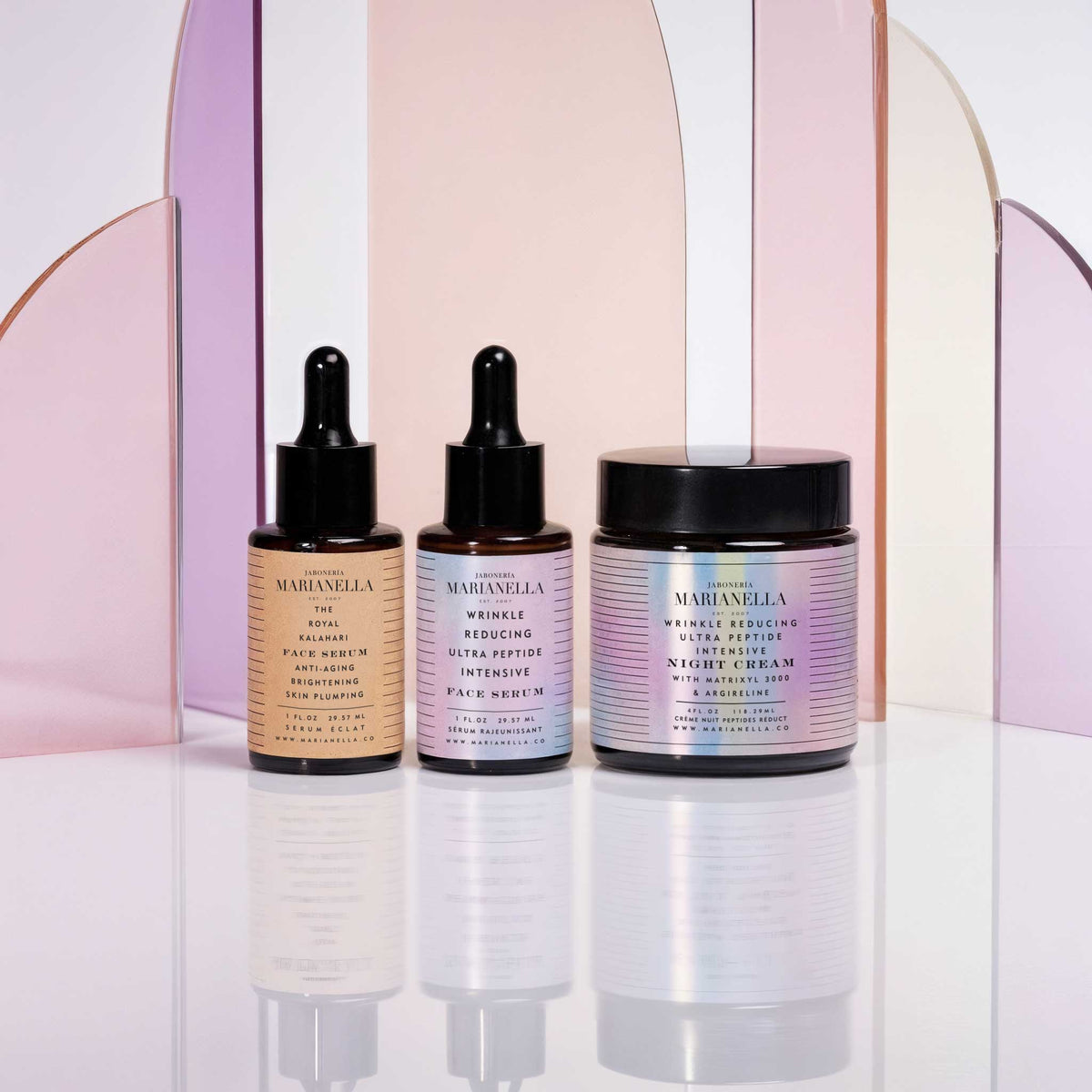
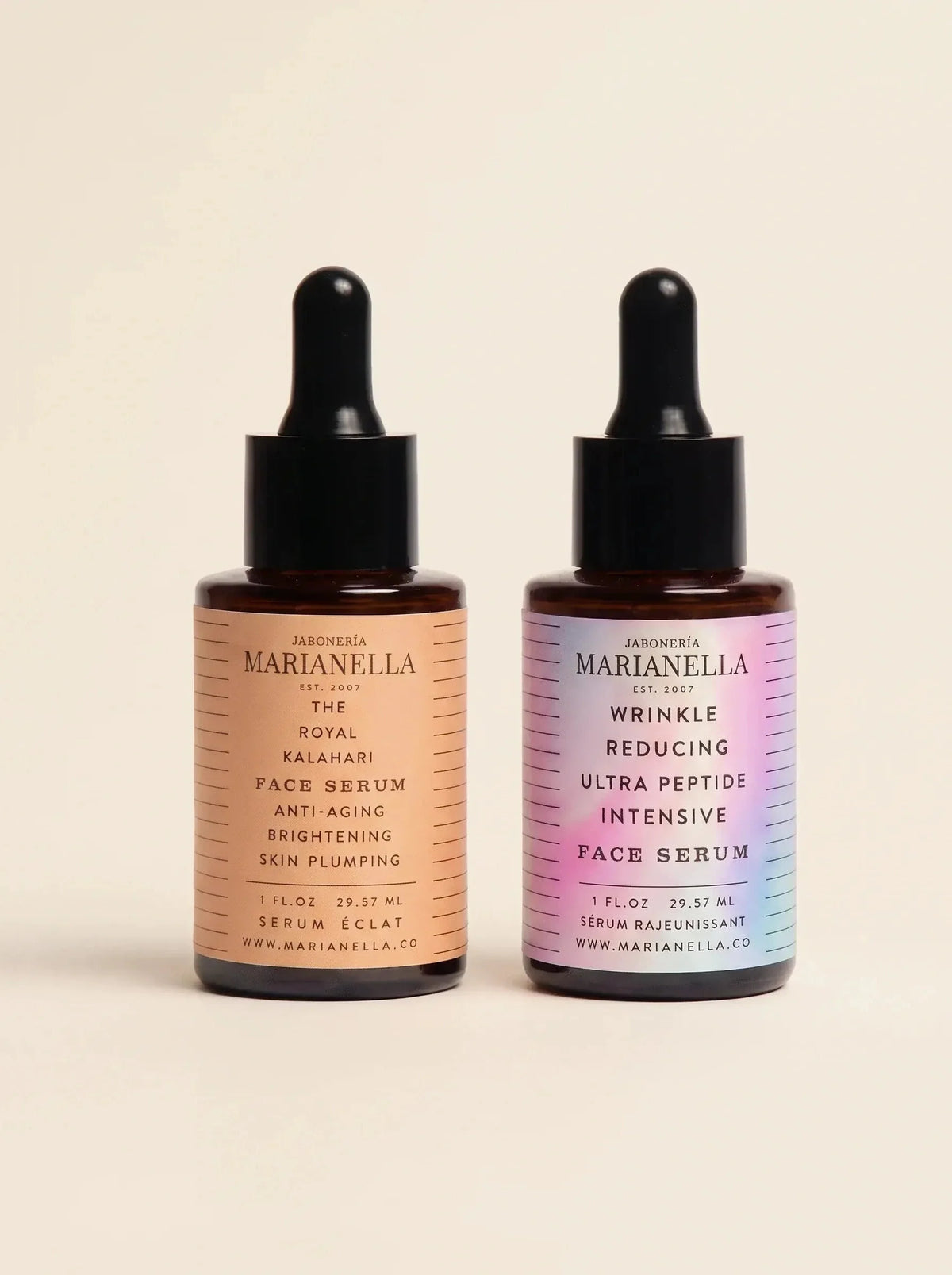
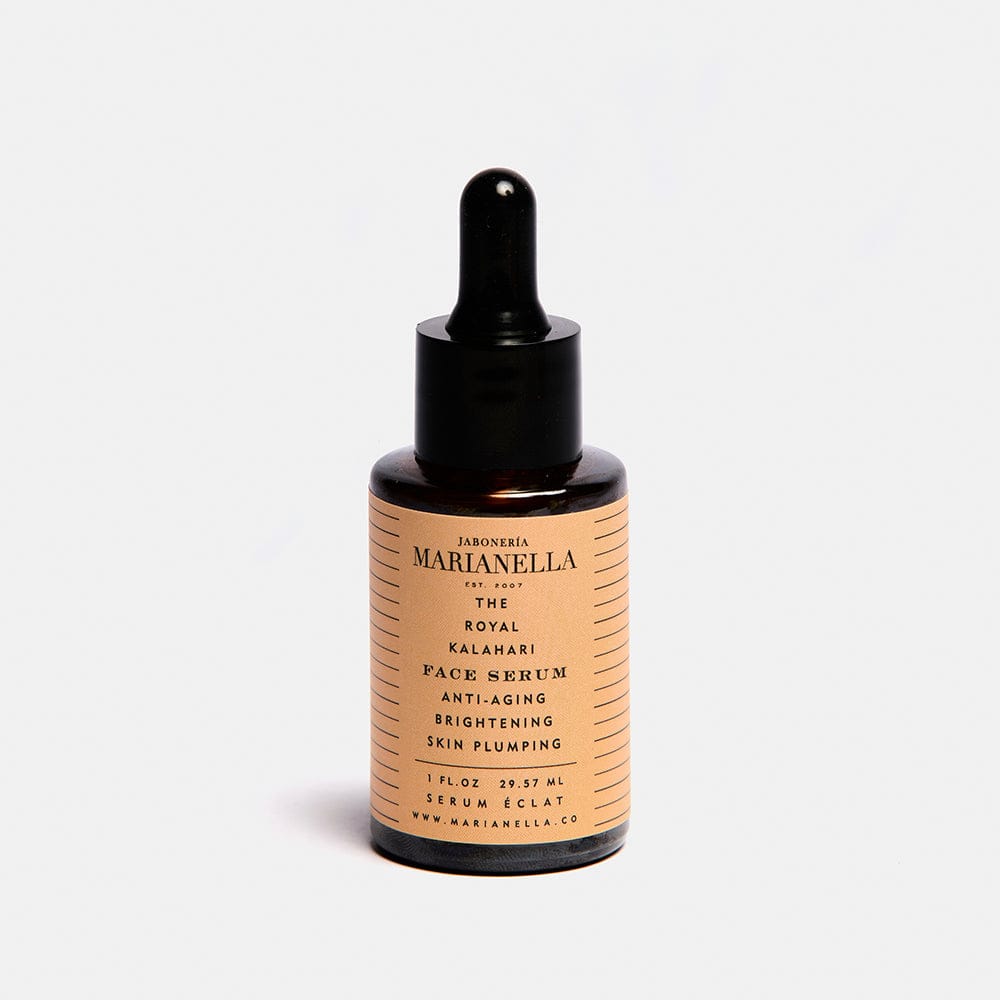
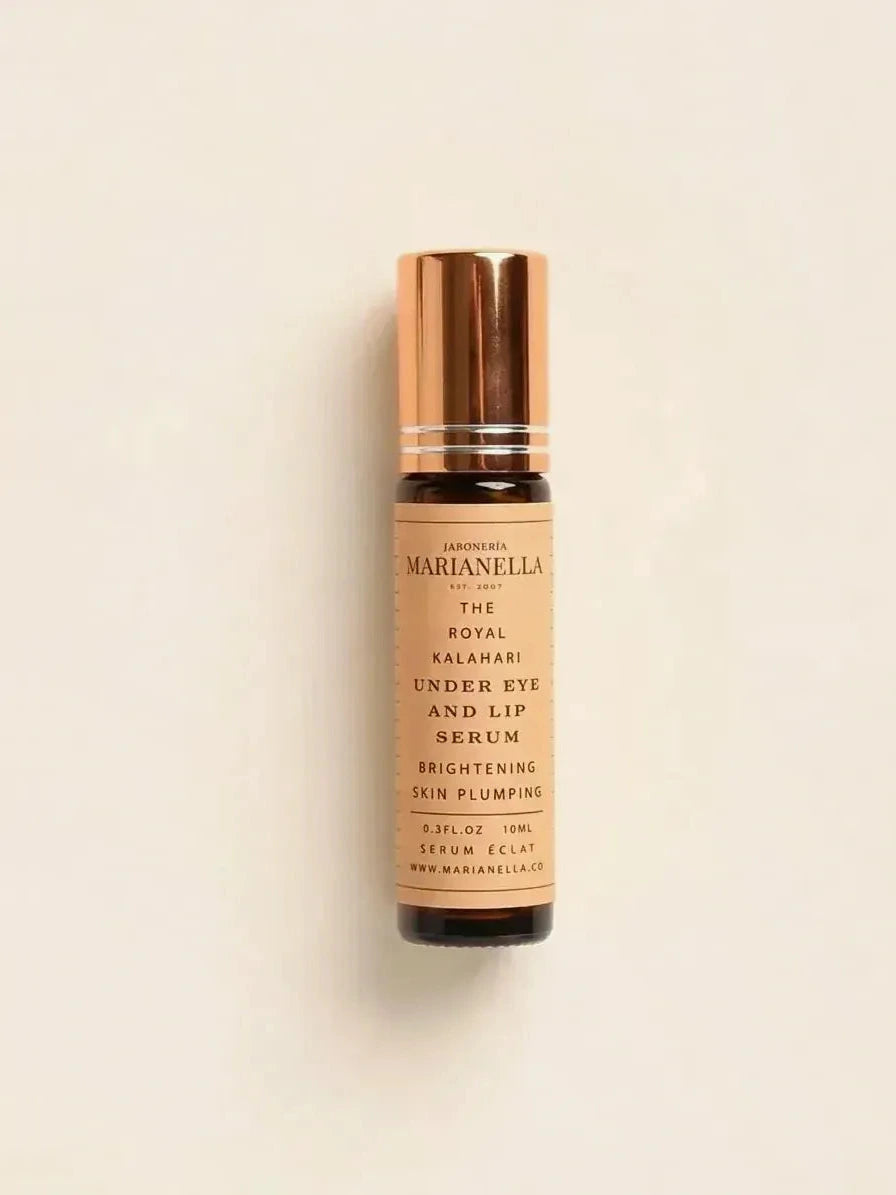
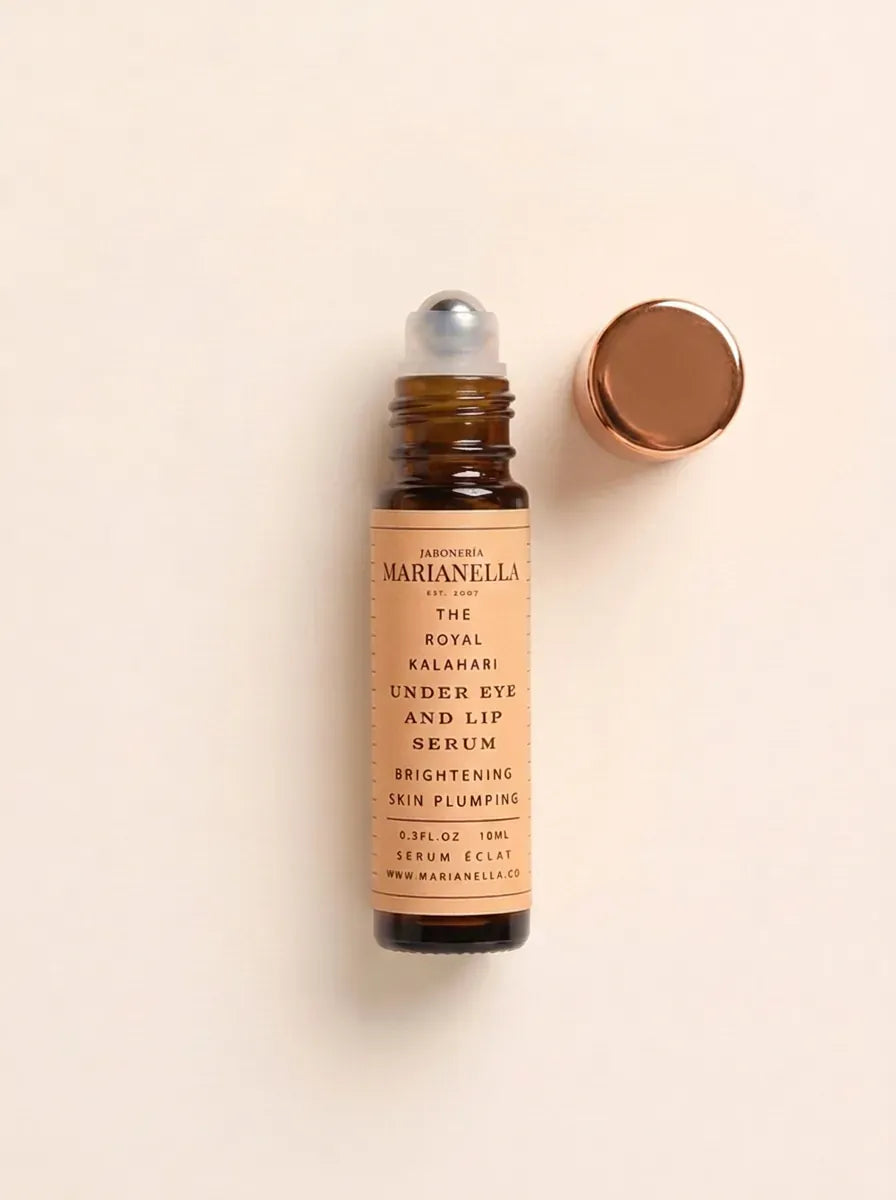
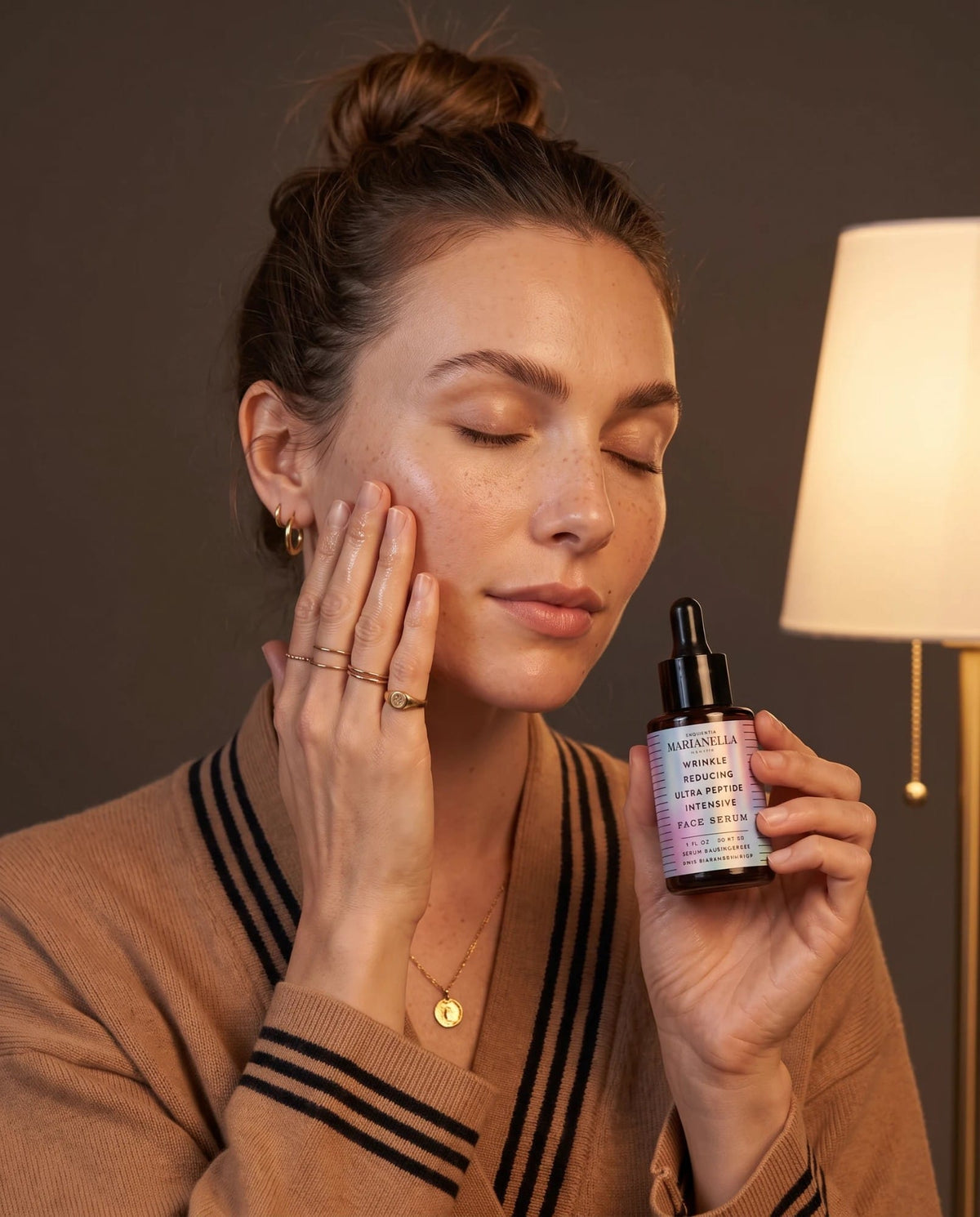
We use tamanu as one oil among many, so its richness adds comfort without its weight or scent taking over. It is in The Royal Kalahari Face Serum, where it comforts skin that looks dry or stressed alongside Kalahari melon seed, baobab, camellia and passion fruit seed oils. It is also in The Royal Kalahari Under Eye and Lip Serum Roller Oil and in The Midnight Youth Potion, our evening oil-serum of thirteen botanical oils.
Questions about tamanu oil research
Does tamanu oil help blemish-prone skin?
Some laboratory studies have looked at this, but strong evidence in people is missing, and we do not make that claim. Tamanu is a rich oil, so if your skin is blemish-prone, patch test and watch how it responds.
Why does tamanu oil vary so much from brand to brand?
Its composition changes with where the nuts were grown and how the oil was pressed. Two oils sold under the same name can differ in color, scent and feel.
Can tamanu oil replace sunscreen?
No. It absorbs a little UV light, but nowhere near enough for daily protection. Use it under a real sunscreen in the morning, never instead of one.






















Leave a comment
This site is protected by hCaptcha and the hCaptcha Privacy Policy and Terms of Service apply.