


Retinol works faster and has the longer research record for fine lines, texture and tone, but it often brings redness, dryness and flaking while skin adjusts. Peptides work more slowly and have less research behind them, but they are far easier on skin and can be used night after night without an adjustment period. Neither is better for everyone. Retinol suits skin that tolerates it and someone who wants faster change; peptides suit dry or sensitive skin and anyone who has given up on retinol before. Many people end up using both, on different nights.
How retinol works
Retinol is a form of vitamin A. Skin converts it, in two steps, into retinoic acid, which acts on receptors inside skin cells and changes how they behave. Two effects matter most. It speeds up the renewal of the surface layer, from roughly 28 days to something closer to 14, which is why skin looks smoother and more even. And it encourages skin to make more collagen while slowing its breakdown.
That is a strong, direct mechanism, and it explains both retinol's results and its side effects. Changing how fast the surface renews is not something skin does quietly.
How peptides work
Peptides are short chains of amino acids that act as signals. Signal peptides, such as Matrixyl 3000, resemble the fragments skin releases when it renews its own collagen, and they encourage skin to keep making it. Others, such as Argireline, soften the small muscle movements behind expression lines. They work from outside the cell, with a suggestion rather than an order, which is why they are so much gentler.
On lines and texture
Retinol has the deeper evidence. Studies of retinol show thicker, smoother skin after four weeks and a significant reduction in facial wrinkles after twelve. Over-the-counter retinol in concentrations of 0.1% to 1% has repeatedly improved texture in trials.
Peptides have a shorter record, but a respectable one. In a study published in the International Journal of Cosmetic Science, people using peptide-enriched creams saw a 10 to 20% improvement in elasticity and shallower wrinkles over twelve weeks. A 2024 review in the Journal of Drugs in Dermatology described peptides that help skin keep up its collagen and elastin. The changes are smaller than retinol's at their best, and cumulative.
On comfort
This is where the two part ways. Up to about half of first-time retinol users report irritation: redness, stinging, dryness or peeling, especially in the first few weeks. Retinol also makes skin more sensitive to the sun. Many people stop using it before it has had time to work, and an ingredient you stop using does nothing.
Peptides rarely cause that kind of reaction. They do not speed up the surface, so there is no peeling stage, and they usually come in moisturizing bases. For dry skin, sensitive skin, or skin that looks red or feels irritated after stronger actives, that difference decides the matter.
On speed
Retinol is quicker. Texture and tone can start to change within four weeks. Peptides follow a slower arc: skin usually feels softer and better hydrated within two to four weeks, expression lines may look gentler in a month, and the firmer, smoother look that signal peptides offer takes eight to twelve weeks. Plan on a season with either.
Which one suits your skin
Peptides make more sense if
- your skin is dry or sensitive, or has reacted to retinol before;
- you want something to use every night without an adjustment period;
- your main concern is fine lines and expression lines rather than uneven texture.
Retinol makes more sense if
- your skin has tolerated it before, or you are willing to start slowly;
- uneven texture and tone matter to you as much as lines;
- you will wear sunscreen every single day.
Using both
The two do not cancel each other out. They reach the same goal by different routes, and a 2025 study in Dermatology and Therapy found that a formula combining a low dose of retinol with a peptide and antioxidants added benefits while staying comfortable. The simplest way to use both is to give each its own nights. Our product pages say exactly that: on nights you use retinol, skip the peptide formulas and return to them the next evening.
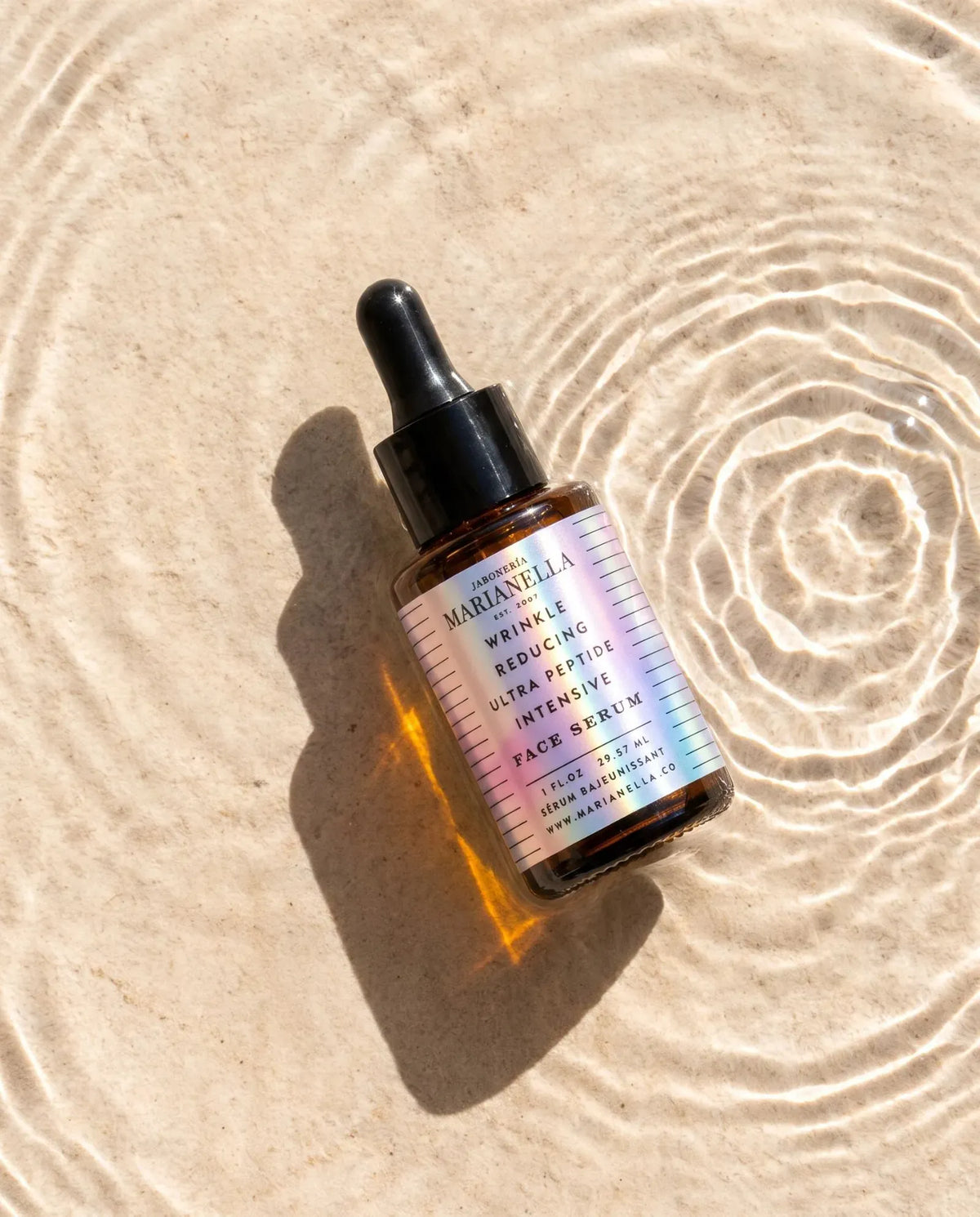
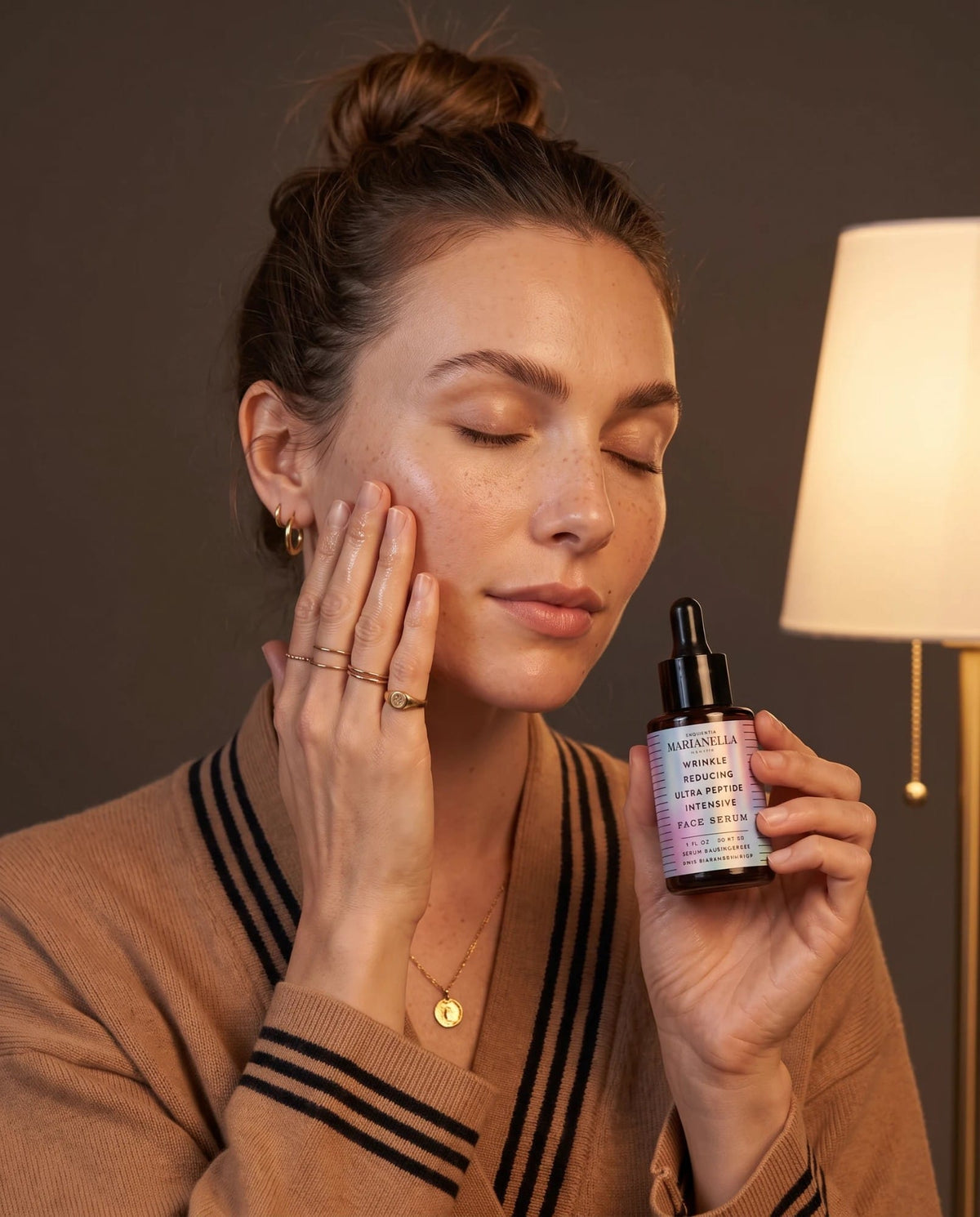
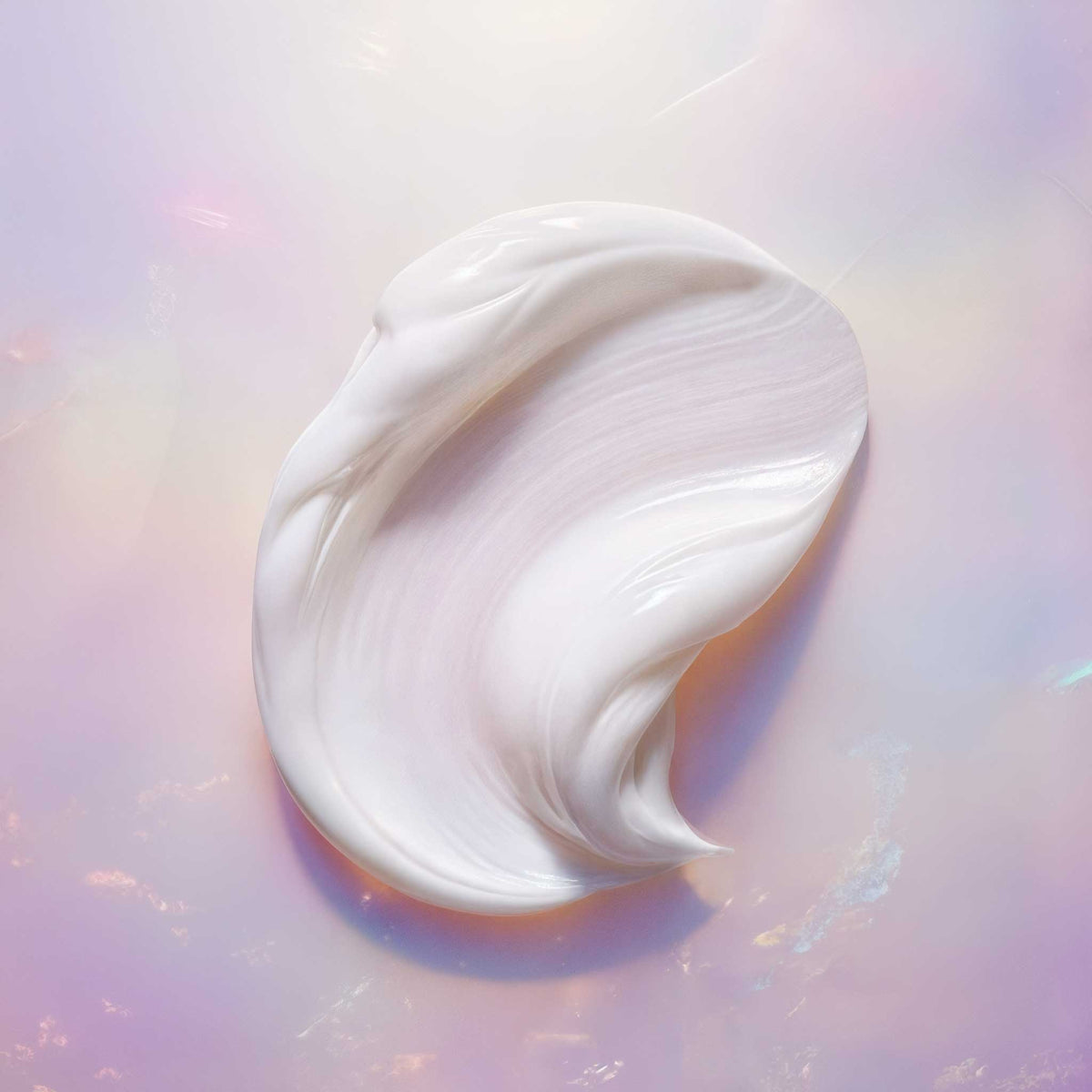
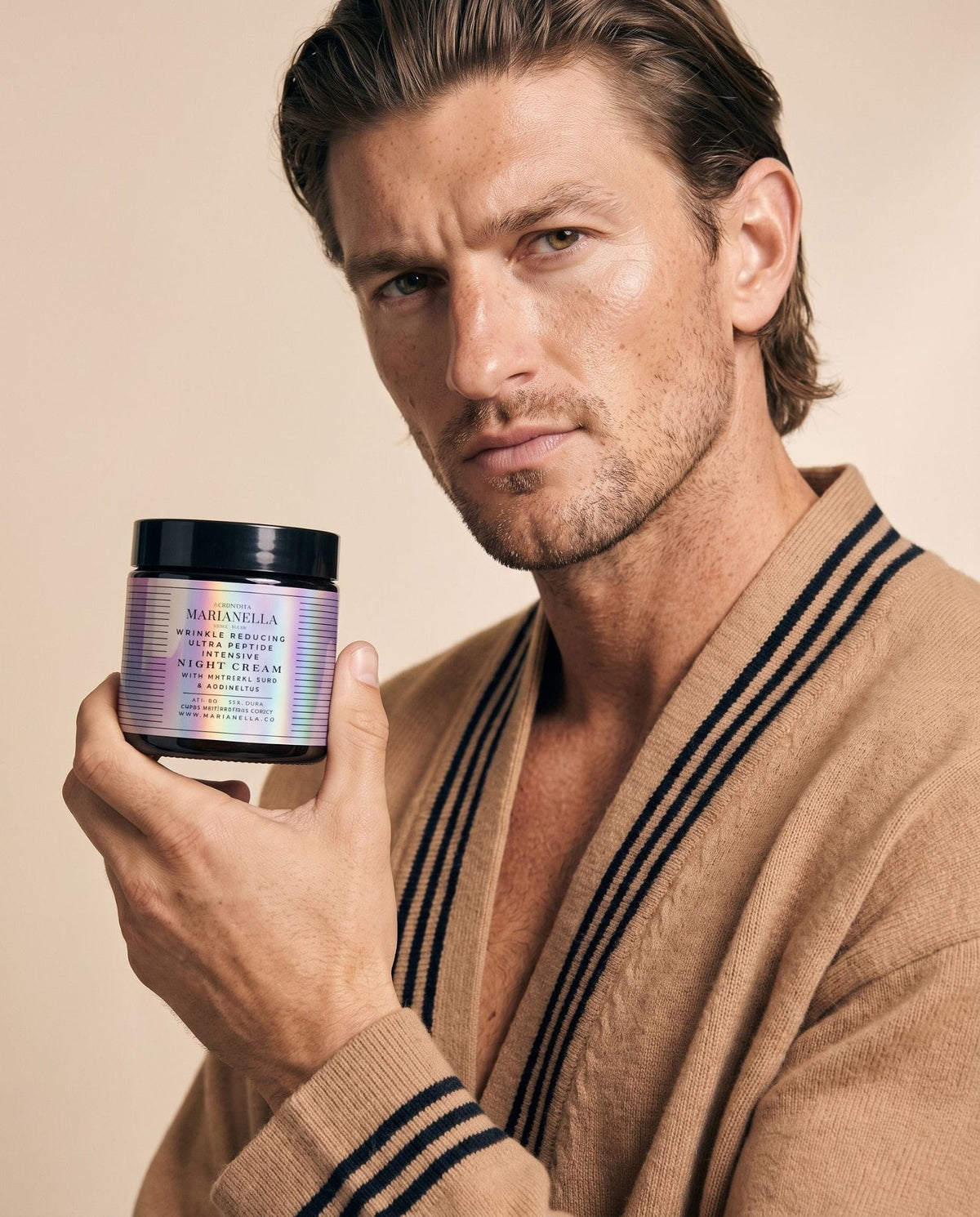
Our peptide formulas are the Wrinkle Reducing Ultra Peptide Intensive Face Serum, two to four drops pressed into clean skin in the evening, and the Wrinkle Reducing Ultra Peptide Intensive Night Cream, a velvety last step over face, neck and décolletage. Both contain Argireline, Matrixyl 3000 and Snap-8, and both suit nights when you want something gentle. A specialist cosmetic lab makes them for us; everything else we sell is made by hand in Williamsburg.
For a week-by-week way to share your nights between the two, see using peptides and retinol in the same week.
Questions about peptides and retinol
Is retinol stronger than peptides?
In the sense of faster and more dramatic change, yes, and it has the longer research record. It is also much more likely to cause redness and peeling. Peptides are gentler and slower.
Which one works faster?
Retinol. Texture can change within four weeks. Peptides usually take eight to twelve weeks for fine lines, though expression lines and hydration can improve sooner.
Do I need sunscreen if I only use peptides?
Yes. Peptides do not make skin more sensitive to the sun the way retinol does, but daily sunscreen protects whatever progress you make at night.
Can peptides replace my retinol?
They can if retinol has been too harsh for you, and you will still see softer-looking lines over time. If your skin is happy with retinol, keep it and give the peptides the other nights.





















Leave a comment
This site is protected by hCaptcha and the hCaptcha Privacy Policy and Terms of Service apply.