



Passionfruit seed oil is a light, fast-absorbing oil pressed from the seeds of Passiflora edulis, and research supports one thing about it above all: it is one of the richest sources of linoleic acid used in skincare, often around 70 percent. That helps skin hold moisture and feel soft without a greasy film. It also carries vitamin E and antioxidant phenolics. Its most talked-about compound, piceatannol, is promising, but the strongest results so far come from extracts taken by mouth, not from oil on skin.
What passionfruit seed oil is
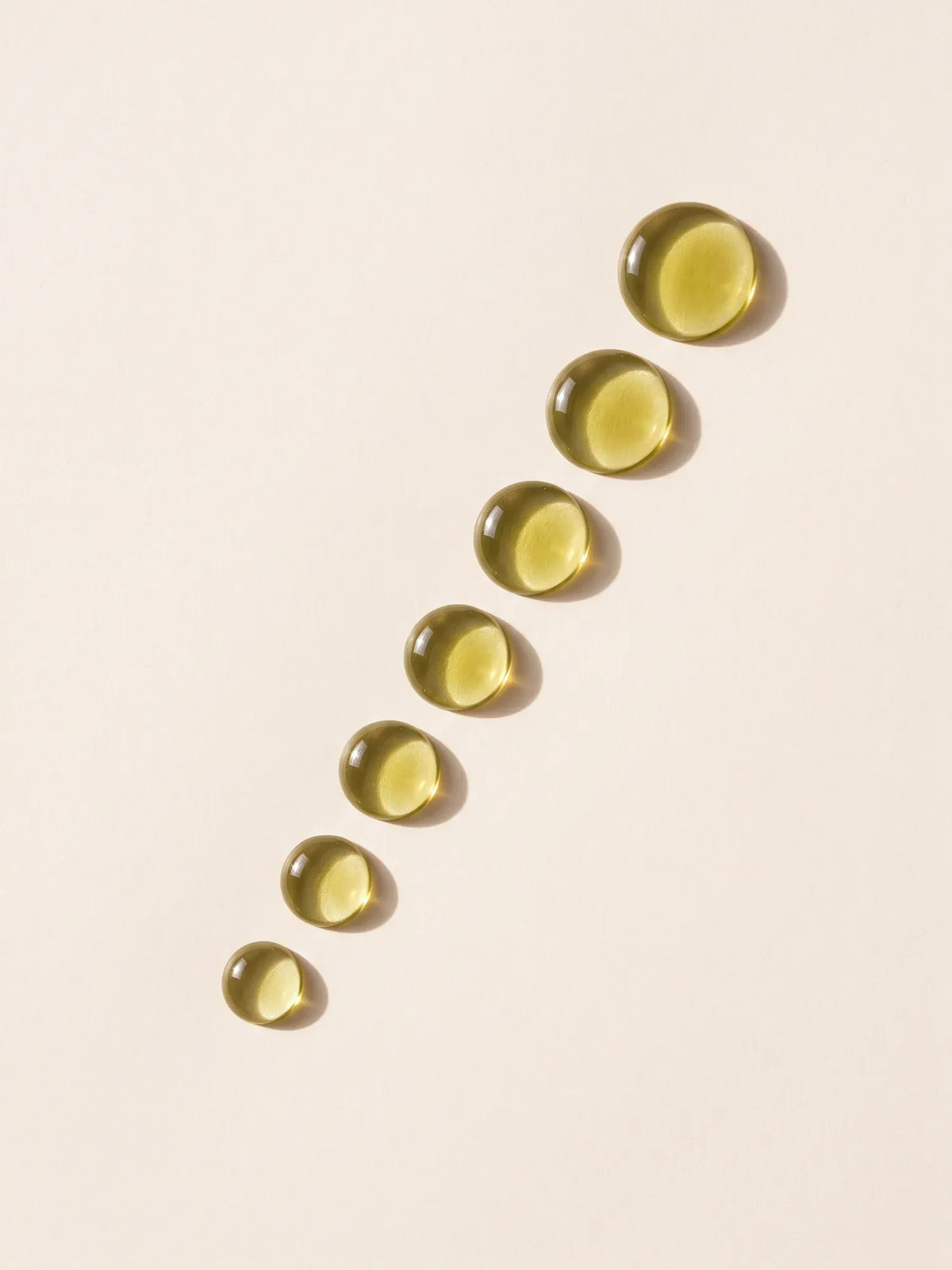
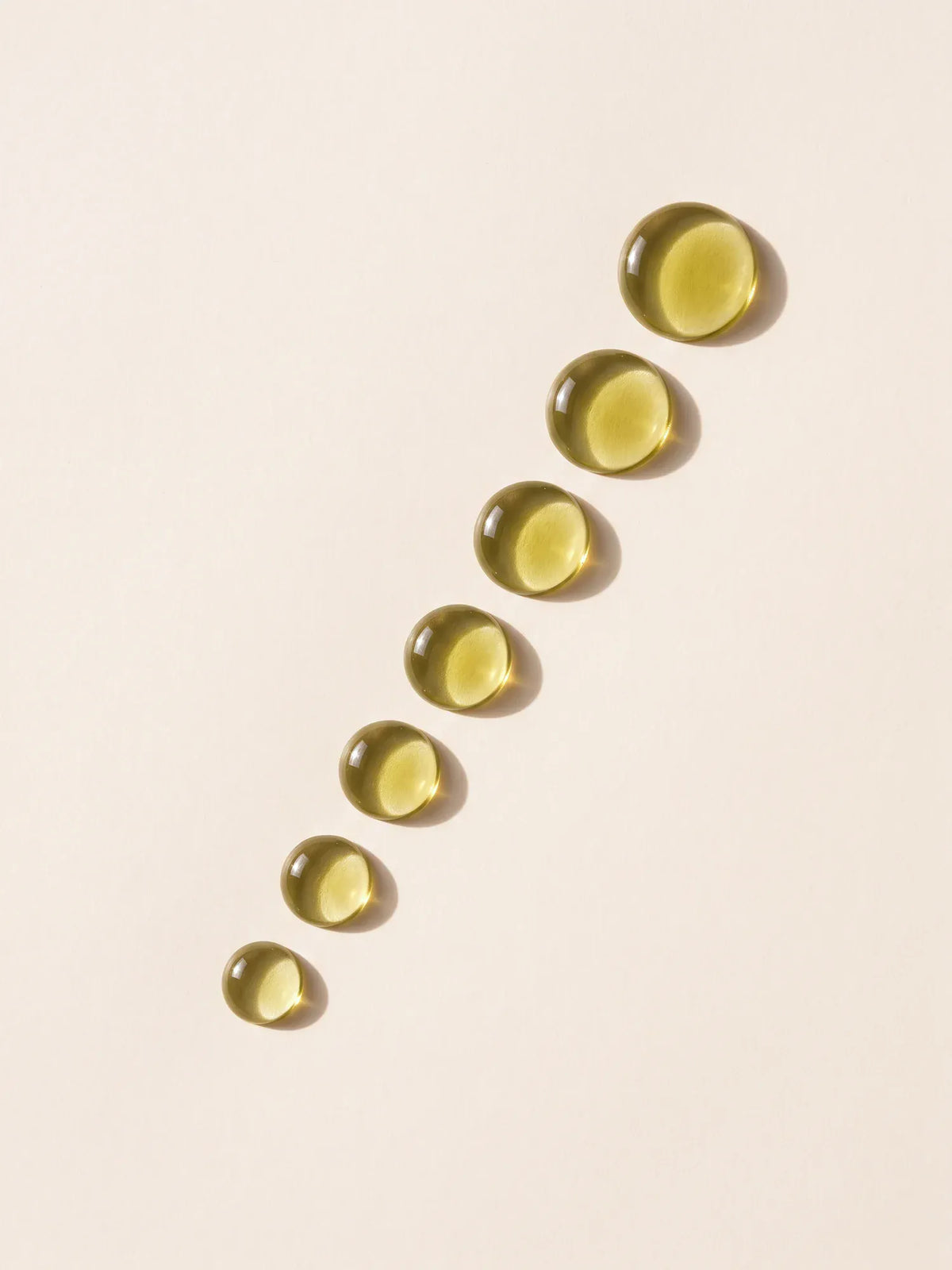
Passionfruit seed oil, also called maracuja oil, is the oil from the small black seeds of the passionfruit, a tropical vine native to South America. It is usually cold-pressed. The result is a light, dry oil with a slight nutty aroma that sinks in quickly and leaves a soft, non-greasy finish. On an ingredient list it appears as Passiflora Edulis Seed Oil.
The fatty acid profile
Labs on different continents find similar figures. A Brazilian analysis measured about 88 percent unsaturated fatty acids, mainly linoleic acid at 73.14 percent and oleic acid at 13.83 percent. A study of a cultivar grown in China found linoleic acid near 73 percent and almost no linolenic acid. By comparison, published figures put grape seed oil, often called a high-linoleic oil, at 66.85 percent, walnut oil at 57.30 percent and cold-pressed sesame oil around 42 to 43 percent.
Profiles do shift from crop to crop. One 2026 sample tested at only about 54 percent linoleic acid, well below the usual figure. Take 70 percent as typical rather than guaranteed.
What linoleic acid does for skin
Linoleic acid is an essential fatty acid: skin needs it and the body cannot make it. It is a building block of ceramides, the lipids that hold the skin's outer layer together and keep water in. When skin is short of linoleic acid, that layer lets more water escape and skin feels tight and rough.
An oil that is mostly linoleic acid gives skin this fatty acid directly, with little else crowding it out. That is why passionfruit oil feels so light and why it suits combination and oily skin, which often prefer linoleic-rich oils to heavier, oleic-rich ones. Dry and mature skin benefit too, especially when the oil is blended with richer ones.
Vitamin E and antioxidants
Besides fatty acids, the oil holds measurable protective compounds. The same Brazilian study recorded a high tocopherol (vitamin E) content and plenty of phenolic compounds, and found significant antioxidant activity. Other reviews list carotenoids among its minor components. How the oil is extracted matters: a low-temperature method kept noticeably more vitamin E and beta-carotene than solvent extraction did.
Piceatannol: promising, with a caveat
Piceatannol is a stilbene, a close relative of resveratrol, and passionfruit seeds are one of its richest known sources. In lab work it has been linked to collagen production, a brighter look and antioxidant protection.
There is human data too, but read it carefully. In a randomized, double-blind trial, thirty-two women with dry skin took either passionfruit seed extract or a placebo by mouth for eight weeks; those taking the extract had measurably more moisture in their skin at four and eight weeks. A trial published in 2026 found something similar for facial skin. Both used seed extract swallowed as a supplement. Neither tested the oil on skin, and a pressed oil does not necessarily contain much piceatannol.
Claims that go too far
- "It makes the body produce more vitamin A." The oil carries small amounts of carotenoids; that does not make it a vitamin A product.
- "It rebuilds collagen." That comes from lab work on piceatannol, not trials of the oil on faces.
- "It calms reactive skin conditions." We have found no good evidence for this, and we do not make medical claims for any oil.
- "It is non-comedogenic for everyone." Light, linoleic-rich oils suit most skin, but no oil suits everyone. Try a new one on a small area first.
Freshness: where the studies disagree
An oil this high in polyunsaturated fat raises the question of how well it keeps. One analysis calculated high oxidative stability; a 2026 comparison described passionfruit oil as more sensitive to oxidation than other seed oils. The practical answer is the same either way: buy it in recent, small batches, keep the cap on, and store it away from heat and light.
How to use it
Apply passionfruit oil, or a serum that contains it, after any water-based steps and before heavier creams, on clean and slightly damp skin. At night it can go on as the last step.
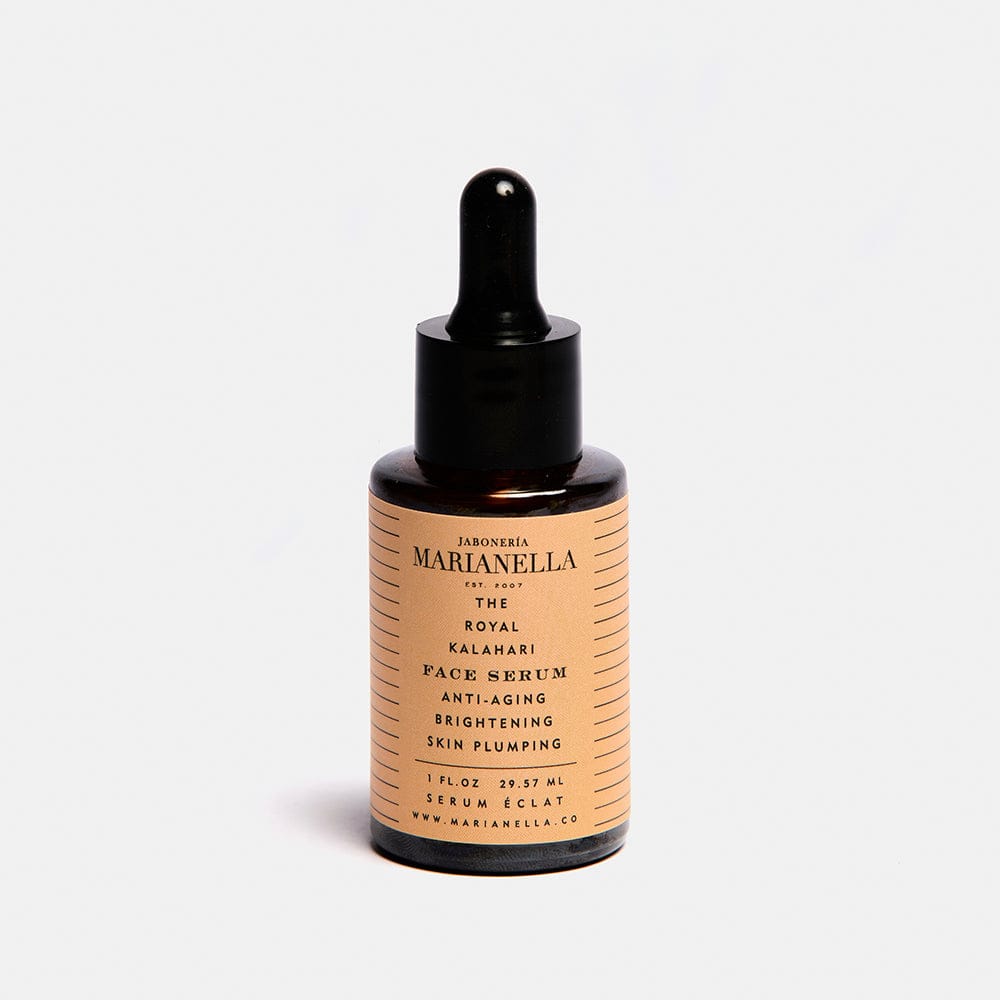
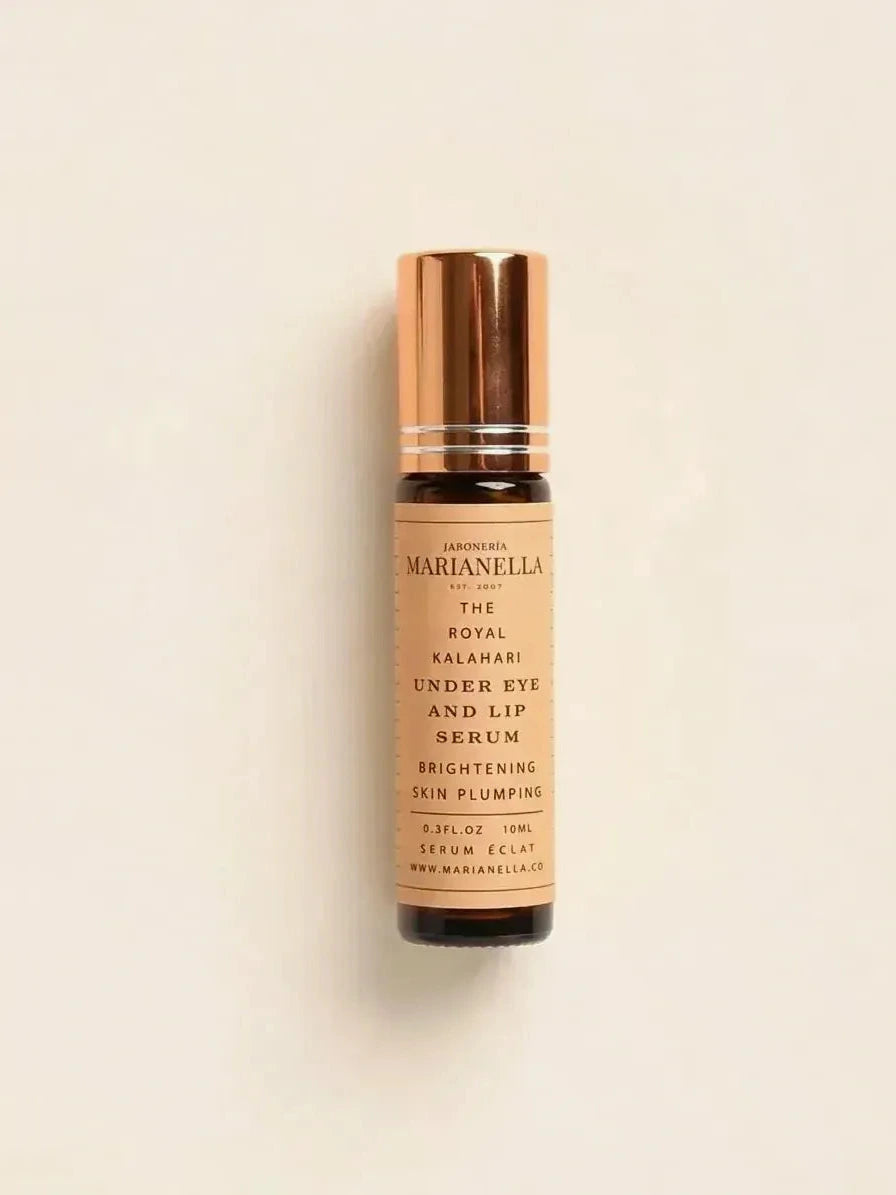
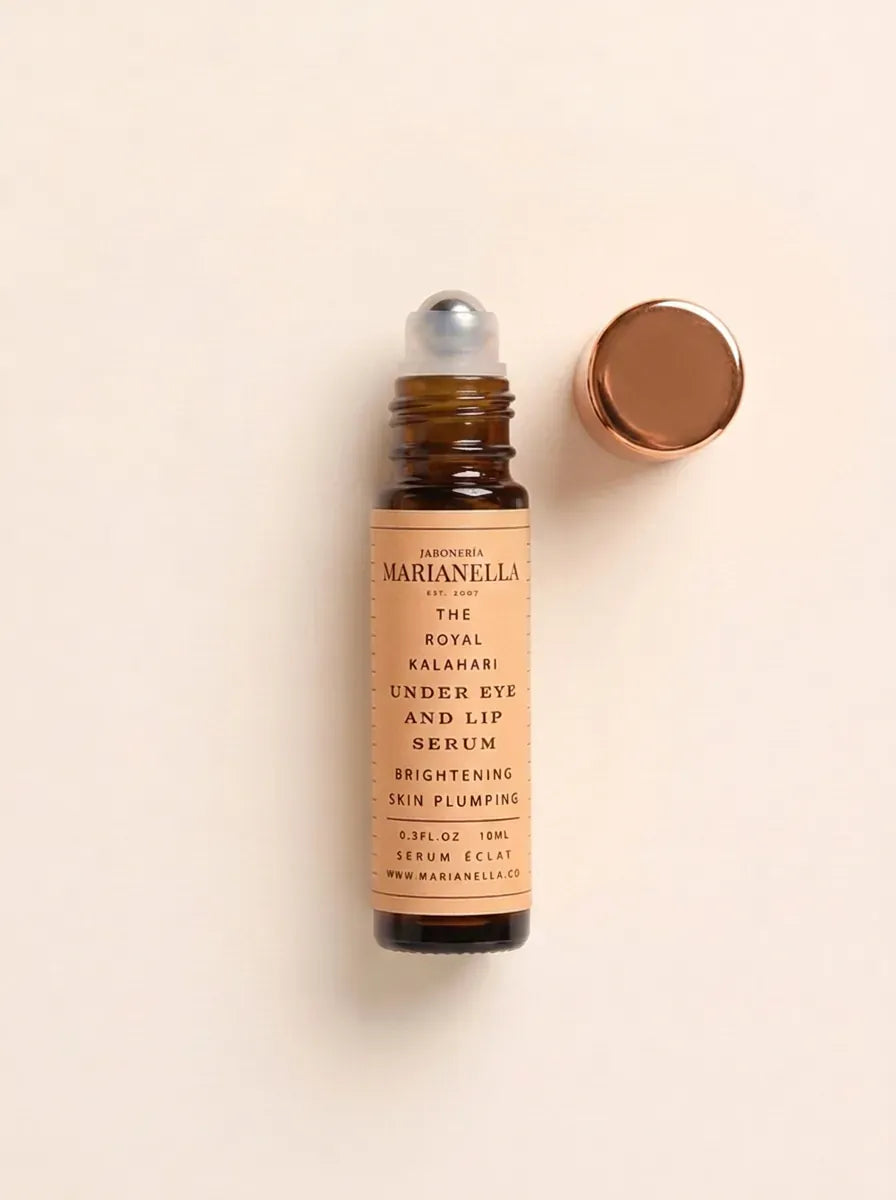
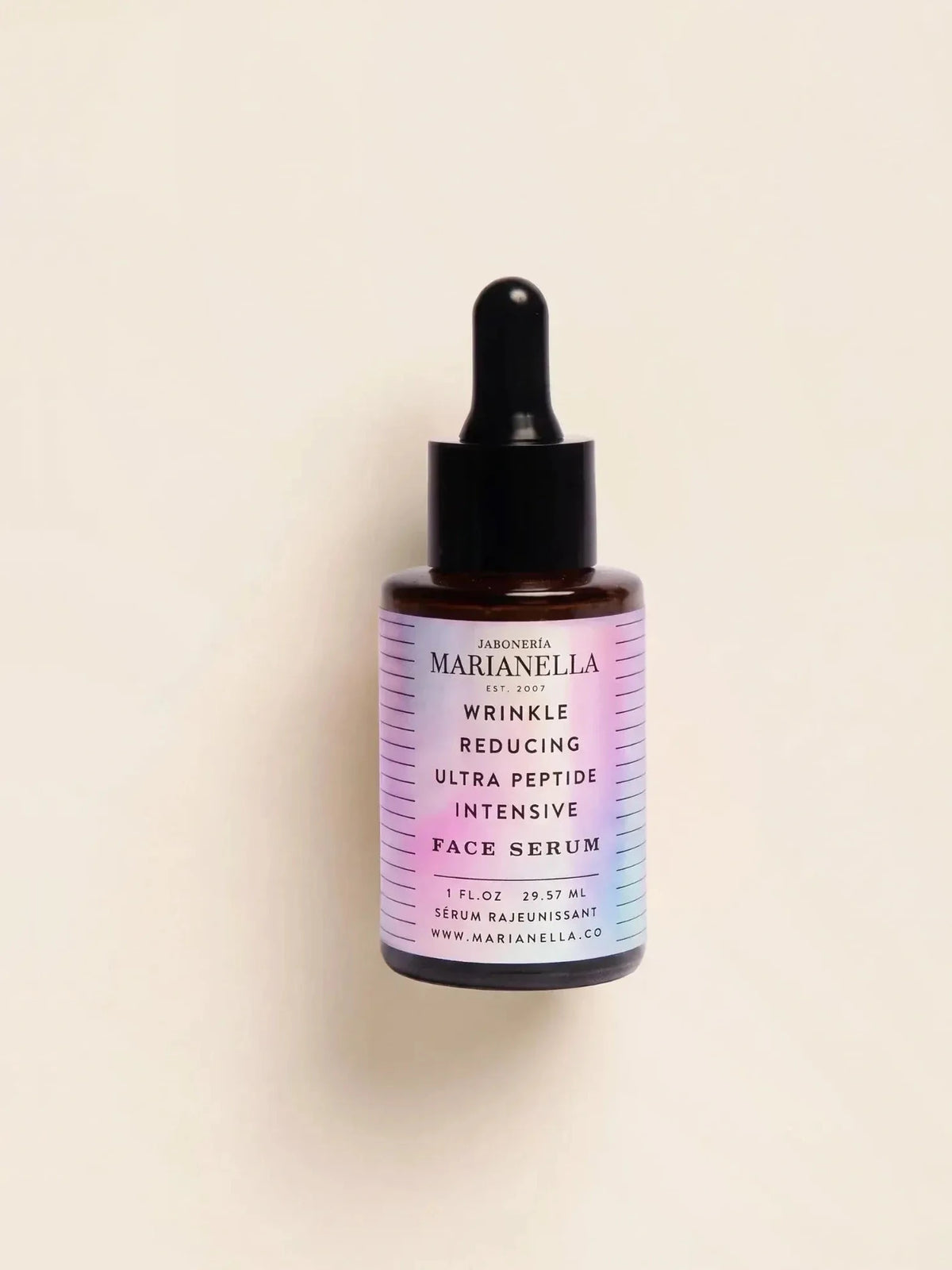
In our range, it appears in The Midnight Youth Potion, where light oils like grape seed and passionfruit carry a blend of thirteen botanical oils with niacinamide and sodium hyaluronate; press four to six drops into clean skin as the last step of your evening. It is also in The Royal Kalahari Face Serum, where passion fruit seed oil helps skin look brighter and more even. Our Ingredient Library lists every product that contains it.
Questions about passionfruit seed oil for skin
Is passionfruit seed oil good for oily skin?
Generally, yes. It is light and mostly linoleic acid, the kind of oil oily and combination skin tend to find comfortable. As with any new oil, try it on a small area first.
Will putting the oil on my skin give the same results as the piceatannol trials?
Not necessarily. Those trials used seed extracts taken by mouth. The oil's proven benefit on skin is its fatty acids, which help skin hold moisture and feel soft.
How does passionfruit oil compare with grape seed oil?
Both are light, high-linoleic oils. In published comparisons passionfruit oil usually comes out a little higher in linoleic acid, around 73 percent against about 67 percent for grape seed.
How should I store passionfruit oil?
Tightly capped, away from heat and direct sunlight. Its polyunsaturated fats are more delicate than those of heavier oils, so use it steadily rather than keeping it for years.


















Leave a comment
This site is protected by hCaptcha and the hCaptcha Privacy Policy and Terms of Service apply.