


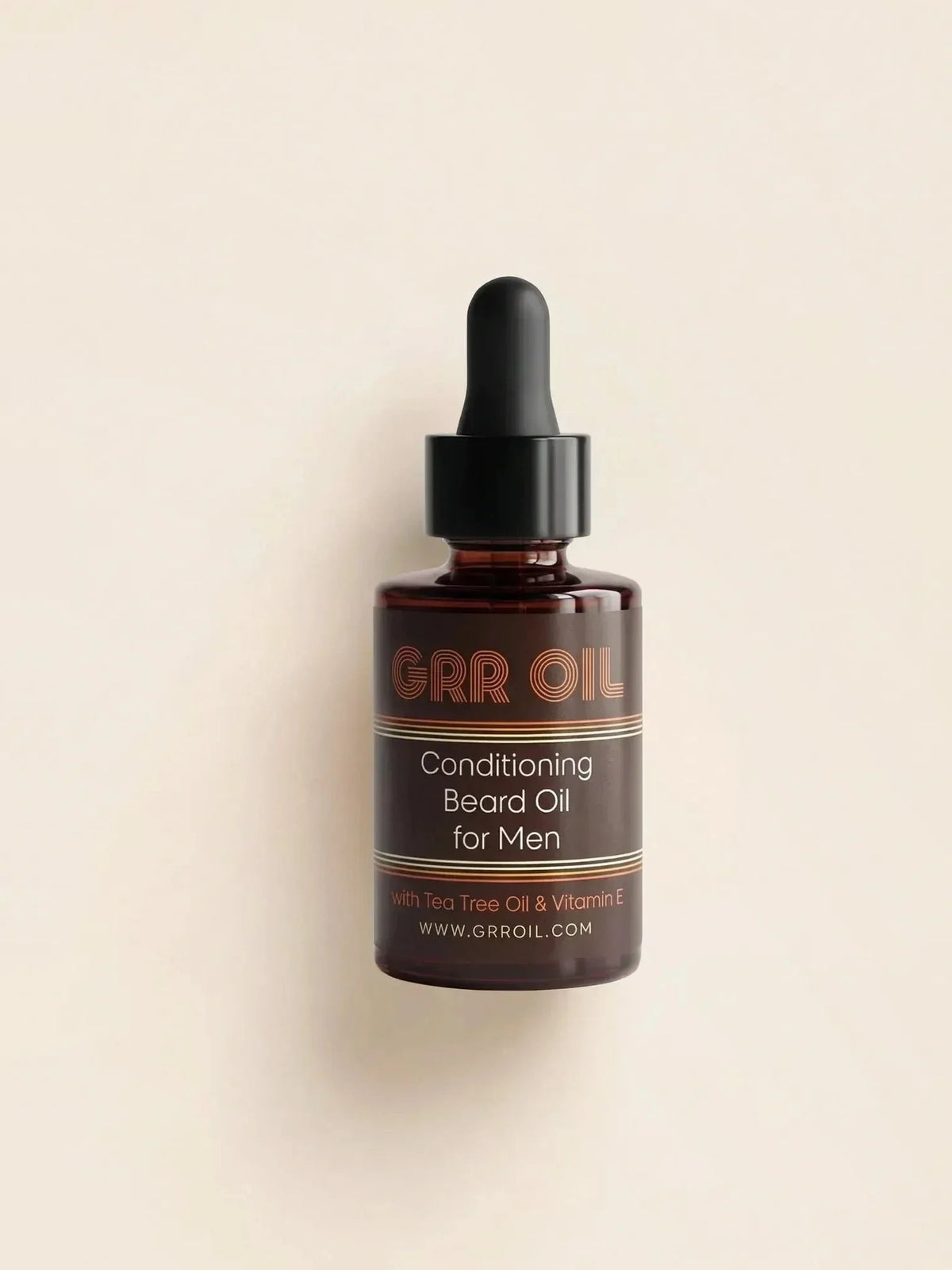
Hibiscus oil is pressed from the seeds of roselle, Hibiscus sabdariffa, the plant whose deep red calyces make hibiscus tea. It is a golden oil, mostly linoleic and oleic fatty acids, unusually rich in vitamin E, and that vitamin E helps it stay fresh for a long time. In our range it is in one product, GRR Oil Beard Oil, where it joins jojoba, Kalahari melon seed and other oils to soften the beard and moisturize the skin beneath it.
The seed, not the flower
Red hibiscus tea and hibiscus oil come from the same plant but from different parts of it. The deep red part of roselle is the calyx, the fleshy cup around the flower, and that is what is dried and steeped for tea. Inside the seed pod are small seeds, and researchers studying them describe the oil as a second harvest from a crop grown mainly for its calyces. The seeds hold on average about 18 percent oil, and for skin care it is usually cold-pressed.
On an ingredient list it appears as Hibiscus Sabdariffa Seed Oil. That name matters, because "hibiscus" on the front of a bottle can also mean a flower extract or simply a scent.
What the seed oil holds
Roselle seed oil belongs to the linoleic and oleic family. In one analysis its main fatty acids were linoleic acid at about 40 percent, oleic acid at 28 percent and palmitic acid at 20 percent, with a little stearic acid. The proportions shift with where the seed is grown. Linoleic acid is light and is one of the fats skin uses to keep its outer layer soft; oleic acid gives cushion and slip; palmitic acid adds a little body. The result is an oil that absorbs easily but still feels comfortable on dry skin.
The oil is best known for its vitamin E. In the study that gave it its reputation, total tocopherols were high, and about three quarters of them were gamma-tocopherol, a form of vitamin E that is especially good at protecting oils from going stale. The seed oil also carries plant sterols, mostly beta-sitosterol, which are common in plant oils, though how they act on skin is still being studied.
Why a stable oil suits a beard oil
An oil this rich in unsaturated fats would normally spoil fairly quickly. Roselle seed oil resists. Laboratory tests that speed up aging found it held its quality well, and researchers credit its vitamin E.
That matters for a beard oil more than for most products. The bottle lives by the sink, gets opened most mornings and lasts for weeks. An oil that keeps means the last drops smell and feel much like the first, and the scent from our perfumery stays clean rather than turning flat.
What else is in GRR Oil
Hibiscus is one of several oils in GRR Oil, and it works as part of a team. The base is a blend of jojoba, Kalahari melon seed, avocado, coconut and castor oils with squalene. Jojoba, a liquid wax, spreads easily through hair. Kalahari melon seed oil, our hero ingredient, is light and dry to the touch. Avocado and castor add cushion and a soft gloss.
On top of that base, tea tree, rosemary, green tea and hibiscus oils add a cool, herbal note and round out a formula meant for both the beard and the skin beneath it. The scent is refined and subtle, from our in-house perfumery. The 1 oz bottle has a dropper, and like nearly everything we make it is handcrafted in small batches in our Brooklyn workshop.
How to use it
A beard grows over skin that no face oil reaches, and that skin dries out just like the rest of your face. The aim is to get oil to both the hair and the skin in one pass.
- Wash your face and beard, and pat dry so the hair is just damp.
- Put a few drops in your palm and warm them between your hands.
- Work the oil through the beard with your fingers, all the way down to the skin underneath.
- Smooth the beard with your palms and comb it into shape.
The beard feels softer and easier to comb, the skin underneath feels moisturized, and there is no greasy shine. Keep the bottle by the sink and use it after you wash; it travels well, too. It suits a beard of any length.
Why a leave-on format
Where hibiscus oil appears changes what it can do. In a soap or wash, most of it goes down the drain with the lather, and its job is to make cleansing feel less stripping. In a lotion, it is mixed with water and spread thin. In an oil you leave on, nothing comes between it and the skin, so its fatty acids and vitamin E stay where they are meant to be. That is why we chose to put it in a leave-on oil. You can see where every ingredient we use appears in our Ingredient Library.
Questions about hibiscus oil and GRR Oil
Why put hibiscus oil in a beard oil?
It is a light, softening oil that keeps well thanks to its vitamin E, so it suits a bottle that is opened every day and lasts for weeks. It also helps round out the cool, herbal note of the blend.
How much GRR Oil should I use?
A few drops, warmed between the palms, are all it takes. The dropper lets you pour exactly what you need.
Does hibiscus oil go rancid quickly?
Not for an oil this unsaturated. Accelerated lab tests found it held its quality well. Keep any oil away from heat and direct sun.
Is GRR Oil only for long beards?
No. It is made for anyone who wears a beard, at any length, and the skin under short stubble benefits as much as the hair.


















Leave a comment
This site is protected by hCaptcha and the hCaptcha Privacy Policy and Terms of Service apply.