

Vitamin C beauty benefits are the most researched and most misunderstood claims in skincare, and the science behind them holds up. Topical vitamin C, most effectively delivered as L-ascorbic acid, is documented to stimulate collagen production, defend skin against oxidative stress, and visibly even tone and texture over time. Vitamin C or L-ascorbic acid has important physiologic effects on skin, including promotion of collagen biosynthesis, inhibition of melanogenesis, prevention of radiation-induced damages and acceleration of wound healing. This is not a trend ingredient. It is a molecule the body cannot manufacture on its own, which is precisely why formulation matters as much as the vitamin itself.
What Is Vitamin C in Skincare?
Vitamin C, chemically known as ascorbic acid, is a water-soluble compound the body relies on for tissue repair and antioxidant defense. It is a simple low-molecular-weight carbohydrate that is essential for the body as a water-soluble vitamin, and humans obtain vitamin C only from their diet because they have no ability to synthesize it. In skincare, vitamin C functions in two distinct capacities: as a cofactor that supports collagen formation in the dermis, and as an antioxidant that neutralizes free radicals generated by environmental exposure. Marianella works with this dual function directly, formulating vitamin C into serums and oils designed for the face, eye area, and lips, always handcrafted in small batches in Brooklyn.
The Vitamin C Beauty Benefits Backed by Science

|
$34 |

|
$58 |

|
$37 |

|
$58 |
Collagen Synthesis and Structural Support
Collagen is the structural protein responsible for skin's firmness, and its production slows with age. Vitamin C benefits human skin physiology notably by stimulating the biosynthesis of collagen, and the main cutaneous collagens, types I and III, are less synthesized with aging. This decline is not cosmetic trivia. It is a measurable shift in the skin's architecture, and it is why formulators return to vitamin C generation after generation rather than replacing it with something newer.
Clinical research on topical application supports this at a practical dose. The use of vitamin C in concentrations of 3 to 10 percent in topical applications for at least 12 weeks has been shown to decrease wrinkling, reduce protein fiber damage, decrease apparent roughness of skin, and increase production of collagen. Twelve weeks is a full season, not a weekend. That timeline matters when setting expectations for any vitamin C serum or oil.
Antioxidant Defense Against Environmental Stress
Skin faces a constant low-grade assault from pollution, light, and daily air exposure, and vitamin C is one of the body's primary lines of defense against it. Vitamin C is an essential part of skin health both as a small molecular weight antioxidant and as a critical factor for collagen synthesis, and it contributes to photoprotection, decreases photodamage, and is needed for adequate wound healing. The depletion under stress is significant. Vitamin C is the main antioxidant in skin and can be 80 percent depleted after 45 minutes of exposure to UV radiation, which generates free radicals and reactive oxygen species and activates a mediator of inflammation within the skin. Replenishing that reserve topically is the entire rationale for a daily vitamin C step, in every season, not only summer.
Formulation quality determines whether any of this reaches the skin at all. Research by Sheldon Pinnell, MD, demonstrated that free L-ascorbic acid is the only molecular structure proven to penetrate into the skin and neutralize damaging free radicals, meaning the presence of a vitamin C derivative in a product does not guarantee it is effective unless it is L-ascorbic acid. This is why sourcing and stabilization are not marketing details. They are the difference between a product that performs and one that oxidizes in the jar before it ever touches skin.
Tone, Texture, and an Even Finish
Beyond structural support, vitamin C is documented to have a visible effect on the surface appearance of skin. Studies show that, when applied to the skin, L-ascorbic acid stimulates collagen synthesis, provides sun protection, and protects the skin by reducing free radicals, while topical vitamin C has also been shown to improve skin texture and tone, reduce brown spots, and decrease the appearance of fine lines and wrinkles. The mechanism behind the brightening effect is specific rather than general. Vitamin C displays a skin lightening effect via the inhibition of tyrosinase activity in melanocytes. Paired with an antioxidant partner, the effect compounds. Topically applied combinations of vitamin C and vitamin E are more effective in preventing photodamage than either vitamin alone.
Why September Calls for a Vitamin C Ritual
The summer house is closed. The air indoors turns dry the moment the radiators wake, and skin registers that shift before the calendar does. September is not a season for softness for its own sake. It is a season for structure, and vitamin C belongs to that structure the way a good coat belongs to a formal room. The molecule's role is not seasonal decoration. It is ongoing maintenance of collagen and antioxidant reserves that dry, heated interior air depletes at a different pace than humid outdoor months.
This is the moment to trade lighter summer formulas for something with more presence. A face oil or serum with vitamin C, applied with intention rather than urgency, meets drier air with the same composure a tailored interior meets autumn light. There is nothing indulgent about this. It is upkeep, handled properly, on a schedule that respects the skin's actual needs.
Best Vitamin C Products 2026: The Marianella Formulas
Marianella's 2026 lineup places vitamin C inside eco-luxury formulas built around Kalahari Melon Seed Oil, handcrafted in small batches in Brooklyn. Each formula is designed for a specific area of the face, so the vitamin C dose meets the skin where it needs support most.
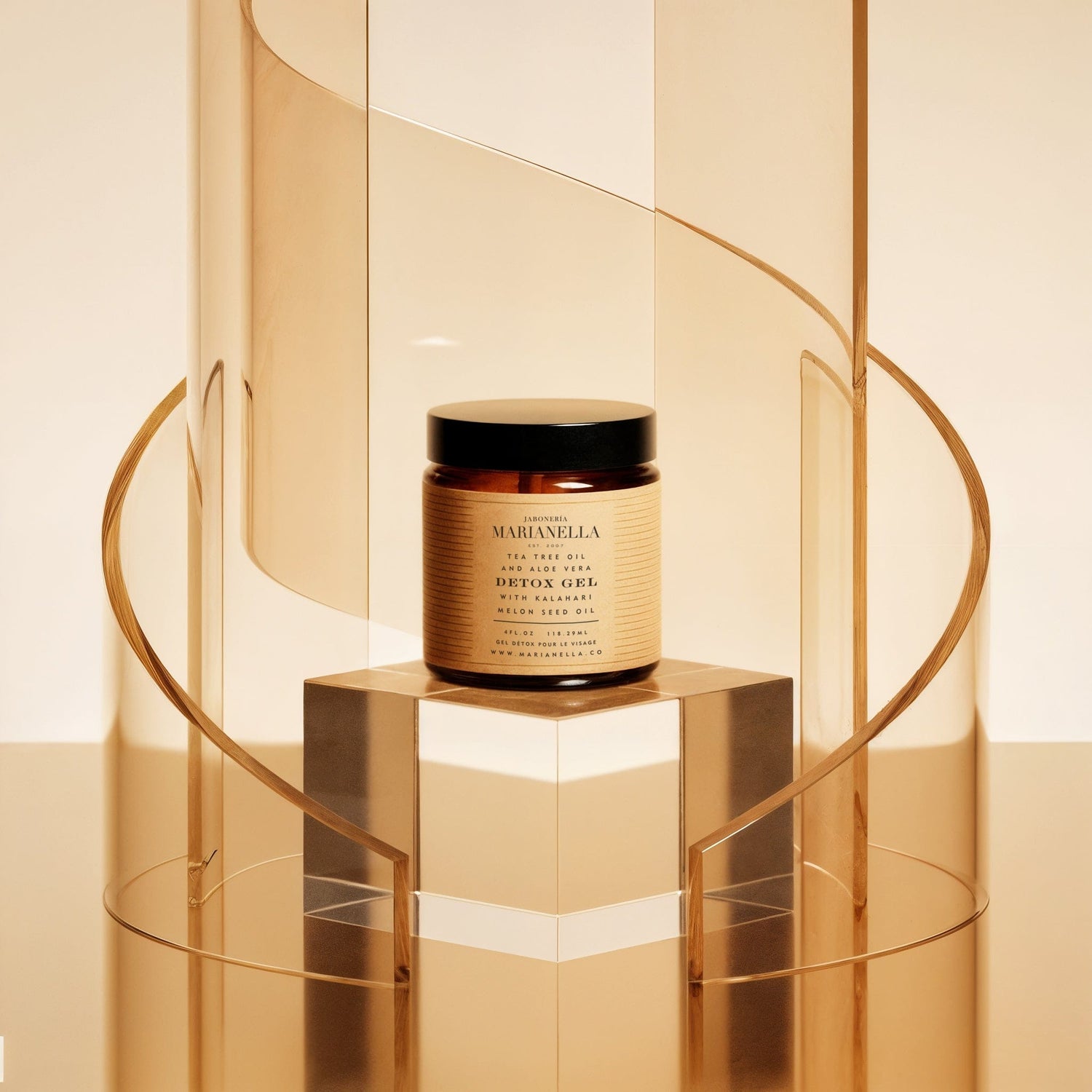
The Detox Gel now with Kalahari Melon Seed Oil pairs vitamin C with a lightweight gel base suited to daily use as skin transitions into drier air. $34.
The Royal Kalahari Face Serum is the house's primary vehicle for delivering vitamin C to the full face, formulated for those building a more structured evening routine this month. $58.
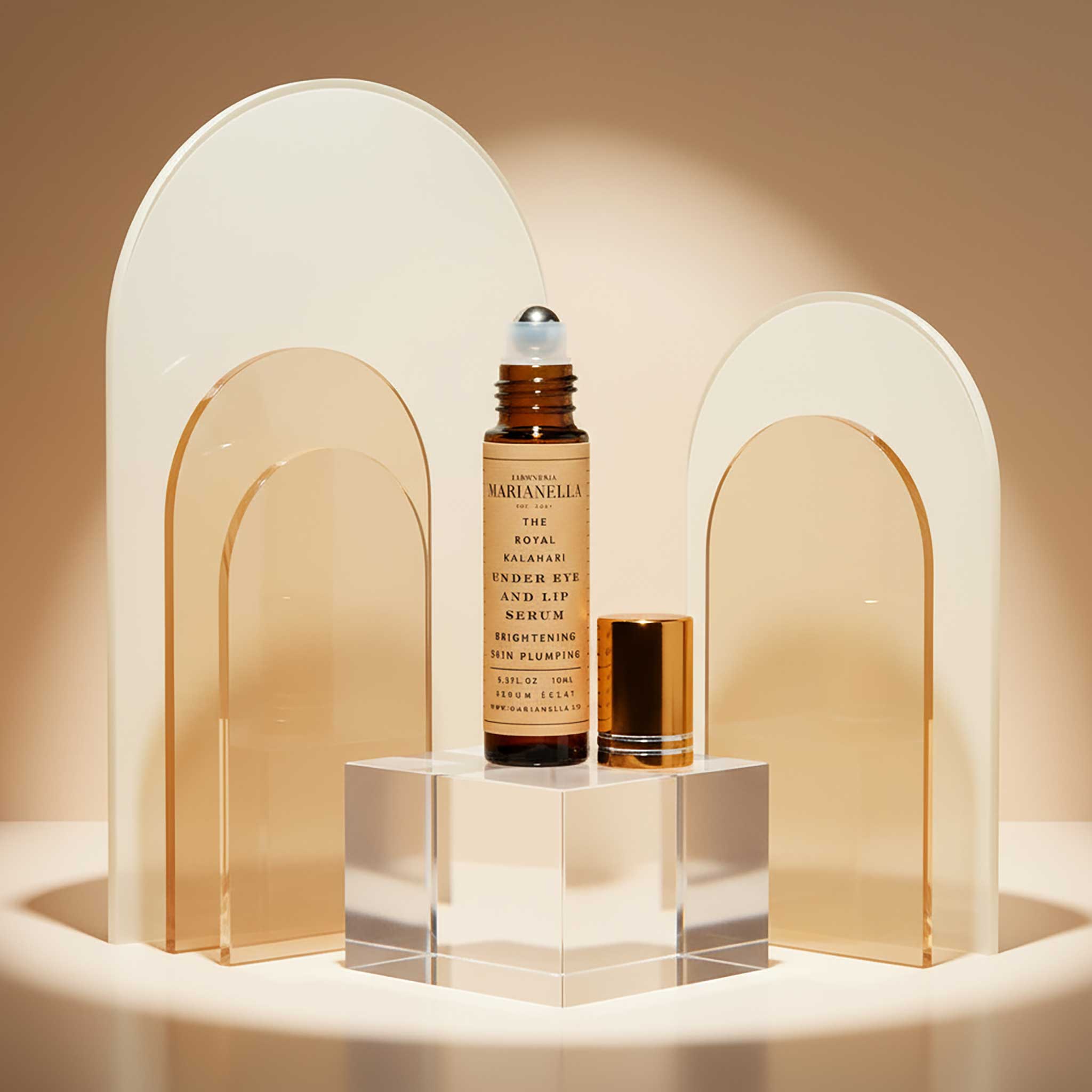
The Royal Kalahari Under Eye and Lip Serum Roller Oil concentrates the same botanical approach for the eye and lip area, where thinner skin shows the effects of dry indoor air first. $37.
The Midnight Youth Potion rounds out an evening ritual, formulated for the hours when skin repairs itself without interference from environmental exposure. $58.
How to Use Vitamin C for the Best Results
Consistency matters more than concentration. Since twelve weeks is the timeline most associated with visible improvement in wrinkling and texture, a vitamin C serum or oil earns its place in a routine only through daily repetition, not occasional use. Apply to clean, dry skin before heavier creams or oils, allowing the formula a moment to settle before layering. Morning application supports the day's antioxidant defense, while evening application, as with the Midnight Youth Potion, works alongside the skin's natural repair cycle overnight.
Stability is worth understanding as well. Vitamin C oxidation is due to the reaction between oxygen and light, especially UV rays, which are the portion of light absorbed by vitamin C and cause its oxidation. Store any vitamin C formula away from direct light and reseal it fully after each use to preserve its performance over the full course of a season.
Marianella's Royal Kalahari Face Serum offers a straightforward starting point for anyone building a vitamin C routine this September.
FAQ
What does vitamin C actually do for skin?
Vitamin C supports two core functions: it acts as a cofactor in collagen production, which affects skin's structural firmness, and as an antioxidant that neutralizes free radicals from daily environmental exposure. Clinical use over 3 to 10 percent concentrations for 12 or more weeks has been linked to reduced wrinkling and improved texture.
How long does it take to see vitamin C benefits on skin?
Most documented improvements in wrinkling, roughness, and collagen production come from studies using consistent topical application for at least 12 weeks. Vitamin C is a maintenance ingredient, not an overnight one, so results build with sustained daily use rather than a single application.
Is vitamin C only useful for sun protection?
No. While vitamin C supports the skin's defense against UV-generated free radicals, it is not a sunscreen and does not absorb UV light directly. Its role is antioxidant support and collagen synthesis, both of which matter year-round, including in drier, low-humidity months like September.
What form of vitamin C is most effective in skincare?
L-ascorbic acid is the form most studied for skin penetration and free radical neutralization. Other derivatives may offer more stability, but the research most consistently points to L-ascorbic acid as the active, penetrating form.
Can vitamin C be paired with other ingredients?
Yes. Vitamin C paired with vitamin E has shown greater effectiveness in preventing photodamage than either ingredient used alone, which is why many formulas, including Marianella's Kalahari-based serums, are built around complementary botanical partners rather than a single isolated active.


Dejar un comentario
Este sitio está protegido por hCaptcha y se aplican la Política de privacidad de hCaptcha y los Términos del servicio.