

Peppermint Oil for Skin: What the Science Actually Says in 2026
Peppermint oil skincare benefits are not a wellness trend. They are documented at the molecular level, studied in peer-reviewed journals, and traceable to specific bioactive compounds in the plant. The cooling sensation you feel is a measurable physiological event. The antibacterial action is real. At Marianella, where we have spent 18 years formulating botanical skincare in Brooklyn, peppermint oil represents exactly the kind of ingredient we trust: a plant with centuries of use across cultures, now backed by modern science.
What Is Peppermint Oil?
Mentha Piperita is a hybrid plant, a natural cross between spearmint and water mint. Peppermint essential oil is extracted by processes such as hydrodistillation, steam distillation, microwave hydro diffusion and gravity, and ultrasound-assisted extraction. The result is a concentrated oil with a distinctive scent profile and a complex chemistry that makes it genuinely effective in skincare formulations.
Peppermint essential oil, consisting mainly of menthol, menthone, neomenthol, and iso-menthone, is a mixture of volatile metabolites with anti-inflammatory, antibacterial, antiviral, immunomodulatory, and antioxidant activities. Peppermint oil contains, in particular, menthol (35–45%) and menthone (15–20%), in addition to menthyl acetate (3–5%), neomenthol (2.5–3.5%), and isomenthol (3%). Each of these compounds contributes something distinct. None of them is decorative.
The Menthol Mechanism: Why the Cooling Sensation Is Clinically Significant
When peppermint oil touches skin, the response is immediate and it is not imagined. Thanks to its high concentration of menthol (30 to 55%), peppermint essential oil exhibits thermoregulatory properties. When applied to an area affected by inflammation, menthol stimulates the skin's thermo-receptors, inducing profound analgesia, or significant pain relief.
The targeted receptors are the TRPM8 receptors, which are sensitive to cold temperatures and play a crucial role in inflammation, pain, and itching processes. Studies have demonstrated the effectiveness of this property, resulting in a decrease in body temperature of 2 to 4°C at the application site.
The duration of this effect is also measurable. Studies have shown that the cooling effect of menthol can last up to 70 minutes or more in 65% of humans. For a topical skincare ingredient, that is a meaningful window of active biological activity.
Menthol as a Penetration Enhancer
One of the less-discussed but most formulation-relevant properties of peppermint oil is its ability to help other active ingredients work harder. Menthol is a common penetration enhancer because of its high penetration-enhancing efficiency and safety. The mechanism is structural: at concentrations of 3.5% or lower, menthol changed the original structure of the stratum corneum to varying degrees, which increased its fluidity and facilitated permeation. Menthol increased the fluidity of the stratum corneum mainly via two mechanisms. First, menthol had strong hydrogen-bonding capability, and it could compete for the lipid-lipid hydrogen bonding sites, thereby weakening the stability of the hydrogen-bonding network connecting the skin lipids.
In practical terms, this means that when peppermint oil appears in a well-formulated product alongside other botanical actives, it is not just a sensory ingredient. It is doing structural work to help those actives reach their target layers in the skin.
Peppermint Oil Skincare Benefits: The Evidence Behind Each Claim
Anti-Inflammatory Action
Peppermint oil's anti-inflammatory profile is specific and well-characterized. The menthol found in peppermint essential oil inhibits the production of inflammatory molecules such as prostaglandin PGE-2, interleukin-IL-1β, and leukotriene LTB-4. It can also block calcium channels involved in the production of cytokines.
The second major compound adds to this. Menthone, another compound in peppermint essential oil, has significantly inhibited the release of pro-inflammatory cytokines, including TNF-α, IL-1β, and IL-6. These are not minor inflammatory mediators. They are central to the cascade that produces redness, swelling, and discomfort in reactive or sensitized skin.
Antibacterial and Acne-Targeting Properties
Peppermint oil for skin has a documented record against the bacteria most responsible for acne. Clinical studies have shown peppermint oil's efficacy in combating bacteria responsible for acne breakouts, such as Propionibacterium acnes and Staphylococcus epidermidis. Multiple medical studies have shown that peppermint oil may stop or slow the growth of several kinds of bacteria, including Staphylococcus aureus and Staphylococcus epidermidis.
Research confirms that peppermint oil exhibits strong antibacterial action, especially effective against bacteria commonly associated with acne. For oily and combination skin types in particular, this makes peppermint a relevant addition to cleansers, toners, and treatment formulas.
Sebum Regulation and Pore Clarity
Individuals struggling with oily skin can particularly benefit from peppermint oil's mild astringent properties. By gently regulating sebum production, peppermint oil prevents clogged pores and reduces shine, leading to a balanced, matte finish without over-drying the skin.
This balance matters. An ingredient that strips sebum entirely disrupts the skin barrier and triggers rebound oil production. Peppermint oil acts as a natural emollient. An emollient is a type of moisturizer that mirrors the chemical composition of sebum, which is the natural oil produced by our pores. The net effect is regulation rather than depletion.
Antioxidant Protection
Studies exploring peppermint oil's antioxidant capabilities highlight its protective effects against environmental stressors, enhancing overall skin resilience and longevity. The broader phytochemistry of the plant supports this. Beyond menthol and menthone, peppermint oil also contains several other active compounds such as limonene, cineole, and pulegone. These components enhance the oil's overall efficacy, contributing to its antioxidant, antimicrobial, and therapeutic properties.
Skin Hydration and Elasticity
The 2025 comprehensive review of menthol's pharmacology published in a peer-reviewed journal noted that studies have highlighted benefits such as enhanced skin hydration, improved elasticity, and better overall skin appearance. These findings place peppermint oil firmly within the category of ingredients relevant not just to oily and acne-prone skin, but to anyone concerned with maintaining skin structure over time. Preliminary findings suggest that menthol-containing formulations may contribute to anti-aging strategies in dermatology, though clinical validation is ongoing.
Who Benefits Most From Peppermint Oil for Skin
Oily and Combination Skin
Peppermint oil is beneficial in regulating sebum production, especially for those with oily, combination, or acne-prone skin. Its inclusion in face masks and cleansers ensures that your skin maintains the right level of moisture without becoming overly greasy. The mild astringency and sebum-balancing effect make it a logical ingredient in daily cleansing formats.
Sensitive and Reactive Skin
Peppermint oil is renowned for its calming effects on inflamed skin. The menthol present in the oil provides a soothing cooling sensation, instantly reducing redness and calming minor skin irritations. Research has consistently shown that topical application of menthol significantly alleviates itching, redness, and inflammation, making peppermint oil highly beneficial for sensitive or irritated skin conditions.
The caveat worth stating: concentration matters. Menthol has been used medicinally since ancient times and is frequently used in topical preparations for analgesic, antipruritic, and anti-inflammatory properties, as well as to enhance the penetration of other active ingredients. In a professionally formulated product, the concentration is calibrated. Applying undiluted essential oil directly to the face is a different category of use and carries real irritation risk.
Acne-Prone Skin
The combination of antibacterial action against acne-causing bacteria, sebum regulation, anti-inflammatory compounds that reduce the inflammatory cascade, and antioxidant protection against UV-triggered sebum damage makes peppermint oil a notably multi-functional ingredient for breakout-prone skin. Its anti-inflammatory and antimicrobial properties help to prevent the growth of acne-causing bacteria and germs, as well as successfully reduce redness, irritation, and inflammation of the skin. The presence of flavanones and phenolic acids in the oil aids in the neutralization of free radicals and the relief of acne infections caused by UV-induced deterioration to the skin's sebum.
Why Botanical Sourcing and Formulation Expertise Change Everything
Peppermint oil, like all essential oils, is only as good as its source and the hands that work with it. Steam distillation yield, growing region, harvest timing, and storage all affect the final concentration of menthol and menthone in the finished oil. A peppermint oil with poor phytochemical integrity delivers inconsistent results regardless of what the marketing says.
Marianella's approach to botanicals is rooted in three generations of Venezuelan knowledge about plants and their properties. That heritage is not a story we tell for positioning. It is the practical foundation of how our founder selects, evaluates, and works with ingredients. Combined with 18 years of small-batch formulation in Brooklyn, it produces something that large-scale manufacturing cannot replicate: a formulator's direct relationship with raw materials.
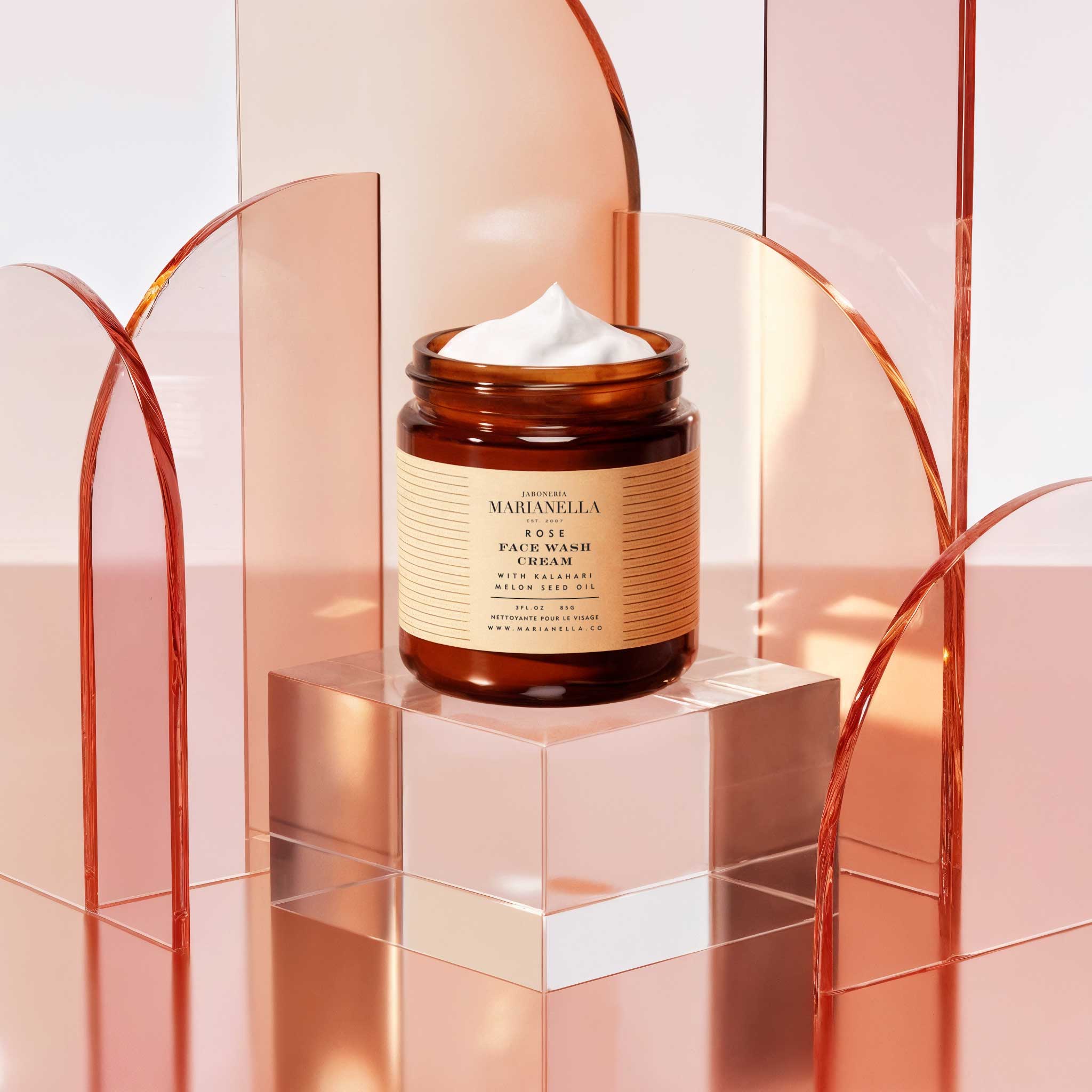
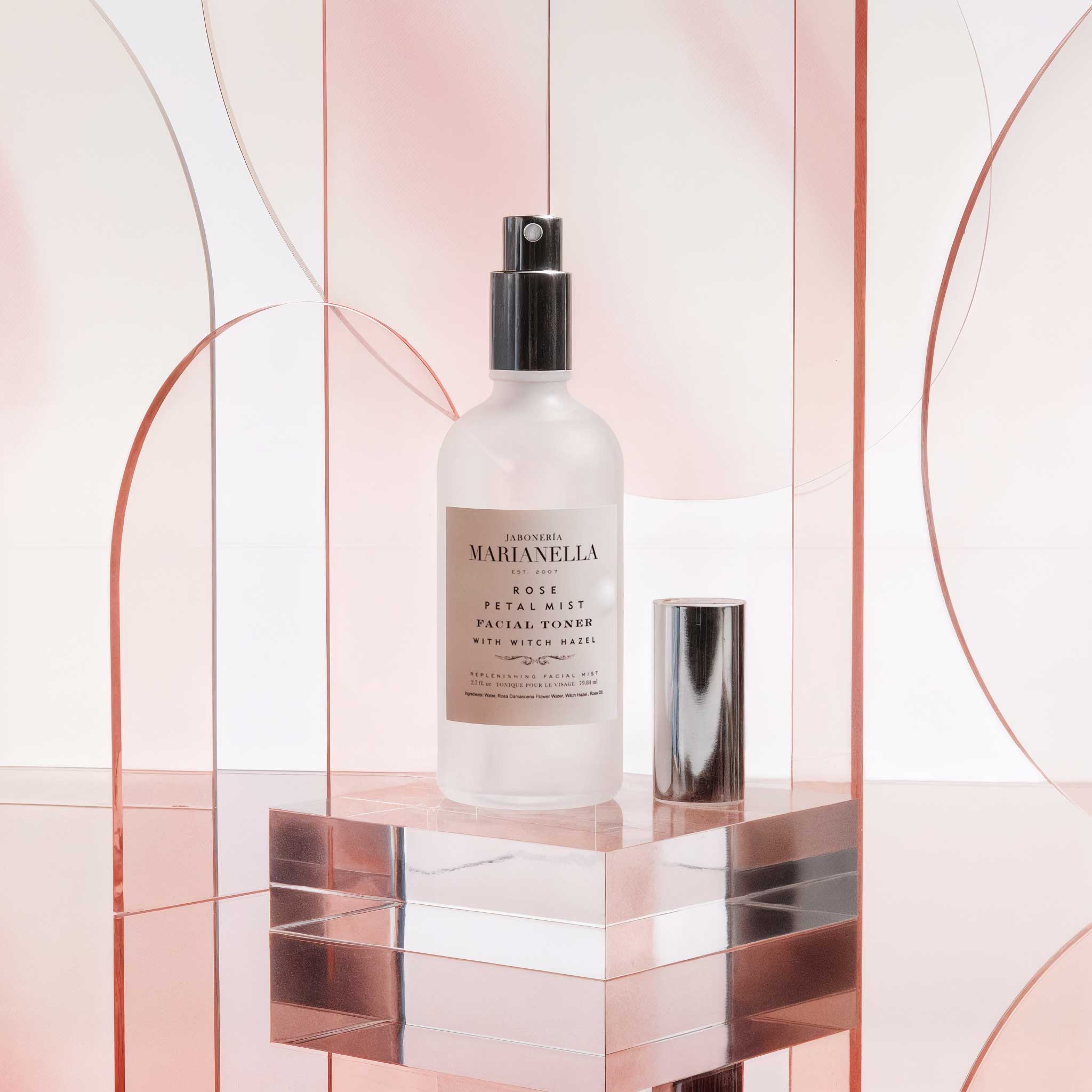
The brand's 82 products span face, body, and home. Peppermint oil appears in formats where its cooling, clarifying, and antimicrobial properties have room to work. That means it is positioned in cleansers, body treatments, and tonifying products rather than being scattered indiscriminately across the lineup as a marketing ingredient.
Marianella's People Magazine Star Beauty Award, features in Vogue, Oprah, Forbes, and Allure, and placement in Bloomingdale's BEAUTYSPACE are a reflection of what happens when botanical depth and formulation precision stay aligned. These are not validations we chase. They are the consequence of not cutting corners on ingredients like peppermint oil.
Best Peppermint Oil Products 2026: What to Look For
If you are searching for the best peppermint oil products in 2026, the formulation context matters as much as the ingredient itself. Here is what separates a genuinely effective peppermint product from one that is simply minty:
Formulation Integrity
Peppermint oil's penetration-enhancing properties mean it amplifies the activity of whatever it is formulated alongside. In a high-quality product, that works in your favor. The other actives are botanically sourced, correctly concentrated, and complementary to what peppermint does. In a poorly formulated product, the same mechanism can amplify irritants.
Concentration and Carrier Matrix
Research on menthol's penetration-enhancing effects shows activity at concentrations of 3.5% or lower in the stratum corneum context. In a finished skincare formula, the working concentration is embedded within a broader carrier system. A brand that understands this works with the chemistry rather than simply listing the ingredient.
Botanical Sourcing Transparency
The phytochemical complexity of peppermint oil, its menthol, menthone, limonene, cineole, and pulegone content, varies with origin and processing. A brand that can speak to sourcing with specificity is a brand that has actually thought about it. This is the standard Marianella holds for every botanical in our lineup.
The Bottom Line on Peppermint Oil Skincare Benefits
Peppermint oil is a complex botanical ingredient with a well-documented biological profile. Its cooling effect is a TRPM8 receptor event, not a sensory trick. Its antibacterial properties are backed by clinical evidence against the specific bacterial strains that drive acne. Its anti-inflammatory action works through identified molecular pathways. Its penetration-enhancing capacity makes it a genuinely useful co-ingredient in multi-active formulations.
In 2026, the conversation around botanical skincare has matured past surface-level claims. Peppermint oil earns its place not because it smells clean and fresh, though it does, but because the science holds up under scrutiny. That is the only standard worth meeting.
Explore Marianella's full range of botanically formulated skincare, handcrafted in Brooklyn with 18 years of expertise, at marianella.com and at Bloomingdale's BEAUTYSPACE.
```

Dejar un comentario
Este sitio está protegido por hCaptcha y se aplican la Política de privacidad de hCaptcha y los Términos del servicio.