

Glycerin skincare benefits have been documented in peer-reviewed research for decades, yet this ingredient still doesn't get the credit it deserves. It outperforms many newer, trendier actives on the single most important metric in skin health: how well your skin holds onto water. At Marianella, glycerin anchors several of our most clinically-minded formulas, working in concert with peptides, vitamin C, and niacinamide to deliver hydration that goes beyond surface-level softness.
What Is Glycerin?
Glycerin, also known as glycerol, is a natural compound derived from vegetable oils or animal fats. It is a clear, colorless, odorless, syrupy liquid. Its molecular formula is C₃H₈O₃. Glycerin is a simple triol, meaning it carries three hydroxyl groups. Those three hydroxyl groups are the structural reason it binds water so effectively. Glycerin is a component of the skin's Natural Moisturizing Factor (NMF), which means it is not a foreign substance to the skin. It is something the skin already recognizes and uses.
After water and fragrance, glycerin ranks as the third most commonly used ingredient in beauty products. Since its discovery by a Swedish chemist in 1779, glycerin has remained one of the most trusted skincare ingredients worldwide. That kind of staying power is earned, not marketed.
How Glycerin Works in the Skin
Glycerin is a humectant, a type of moisturizing agent that pulls water into the outer layer of skin from deeper levels of the skin and the air. Glycerol diffuses from the dermis and is transported into basal layers of the epidermis through aquaporin 3 (AQP3), a transmembrane water and glycerol transporting protein. This is not a surface-coating mechanism. It is active transport at the cellular level.

|
$84 |

|
$50 |

|
$112 |
Glycerin's effectiveness comes from key molecular properties: a molecular weight of 92 daltons enabling deep skin penetration, three hydroxyl groups that create strong moisture-binding capabilities, and a natural affinity to skin lipids.
Studies show that certain levels of glycerin can penetrate the skin barrier and remain within the skin for continuous hydration for several days. Compare that to ingredients that hydrate only at the stratum corneum surface and the distinction becomes significant, especially for anyone managing chronically dry or compromised skin in 2026.
The Science Behind Glycerin for Skin
It Is the Most Effective Humectant Available
A 2016 study found glycerin is "the most effective humectant" available to increase hydration on the top layer of skin, in comparison with numerous others, including alpha hydroxy acids like lactic acid and glycolic acid. A separate study revealed that 10% glycerin performed better than both 10% propylene glycol and 10% urea in providing skin hydration over three hours.
A 2005 study showed that glycerin levels correlate with skin hydration levels, so more glycerin means better hydrated skin. The relationship is direct and measurable.
Concentration Matters
Glycerin is an effective molecule from as low as 3%, with benefits increasing up to 20-40% concentration. Around 10%, glycerin hits a real sweet spot in terms of effects and usability. At this concentration, it shows therapeutic effects including effective moisturization with a reservoir effect, protection against irritation, maintenance of a healthy skin barrier, and leaves skin smooth and plump.
A large-scale study conducted with 394 participants with dry skin compared two high-glycerin moisturizers (containing 25% and 40% glycerin) to 16 other popular moisturizers on the market with less than 6% glycerin. The high-glycerin formulas won. They had superior, quick-acting hydrating properties and created a "reservoir" of moisture-holding ability in the skin. Even after discontinuing use of the high-glycerin moisturizer, the skin stayed hydrated longer compared to all the other low-glycerin moisturizers.
Barrier Function, Not Just Hydration
Loss of skin hydration leads to skin dryness, wrinkling, sagging, and laxity. Glycerin addresses all of these concerns, but its work on the skin barrier is what separates it from simpler moisturizing agents.
Glycerin has been shown to promote skin barrier regeneration by improving stratum corneum integrity, stability, and mechanical properties. It also aids in the degradation of desmosomes, contributing to improved skin barrier function.
In vitro studies have shown glycerin prevents crystallization of stratum corneum model lipid mixture at low room humidity. This matters particularly in cold, dry climates and during winter months when the barrier is under constant environmental stress.
Research has demonstrated that formulations combining glycerin with complementary actives can produce long-lasting, up to 24-hour hydrating and moisturizing effects, while simultaneously improving skin barrier function.
Compatibility Across Skin Types
Lightweight and noncomedogenic, glycerin is compatible with all skin types, including dry and sensitive skin. It also plays well with other skincare ingredients, including retinol and alpha hydroxy acids. This is one reason it appears in formulations alongside actives as potent as peptides, vitamin C, and niacinamide without causing conflict.
Glycerin for Skin: Beyond Moisture
Plumping and Fine Line Reduction
One of the most notable characteristics of glycerin is its ability to temporarily plump the look of skin and minimize the appearance of fine lines and wrinkles. Studies show that glycerin penetrates the skin and increases the water volume between cells to give skin a fuller, firmer appearance. As glycerin draws moisture to the skin's surface, it fills in wrinkles for a smooth, soft feel and appearance.
Long-Lasting Reservoir Effect
Research found that glycerin-based creams maintained the highest moisturizing value and longest-lasting hydration compared to alternatives. The reservoir effect, where the skin continues to draw moisture from glycerin stores even after application, is unique to high-glycerin formulas and clinically documented.
Safety Profile
Research confirms glycerin is non-toxic, non-irritating, and non-sensitizing. The Cosmetic Ingredient Review Expert Panel concluded that glycerin is safe as a cosmetic ingredient in the practices of use and concentration described in safety assessments. For a brand formulating for all skin types, including sensitive and reactive skin, that safety record is as important as efficacy.
Glycerin in the Context of 2026 Skincare
One of the most significant trends in skincare through 2025 and into 2026 is the hybridization of hydration and barrier claims. Products are increasingly formulated and tested to simultaneously deliver stratum corneum hydration and barrier reinforcement. This reflects both scientific progress and consumer sophistication. The "skin barrier" claim has seen growth exceeding 200% in product launches between 2020 and 2025.
Glycerin sits at the center of this shift. It is not a trend ingredient. It is the foundational molecule that makes barrier-plus-hydration formulas possible. Brands layering peptides, antioxidants, and brightening actives on top of glycerin are doing what the science has always supported.
Marianella and Glycerin: 18 Years of Purposeful Formulation
Marianella has been handcrafting in Brooklyn since 2007. Founder Marianella Montero brought three generations of Venezuelan botanical beauty knowledge to every formula she developed, and the science of hydration has always been central to that work. Across 82 products for face, body, and home, glycerin remains one of the most consistently used ingredients because it works, across all skin types, in all climates, at all ages.
That formulation philosophy, rooted in South American botanical tradition and refined over 18 years, is what earned Marianella placement at Bloomingdale's BEAUTYSPACE and recognition from Vogue, Forbes, Oprah, Allure, WWD, and People Magazine, including the People Magazine Star Beauty Award.
Best Glycerin Products 2026: Marianella's Standout Formulas
Glycerin does not work in isolation. Its most impressive results come when it is paired with complementary actives that extend its hydrating effect and address specific skin concerns. These three formulas represent how Marianella integrates glycerin into targeted, multi-active skincare.
Wrinkle Reducing Ultra Peptide Intensive Face Serum
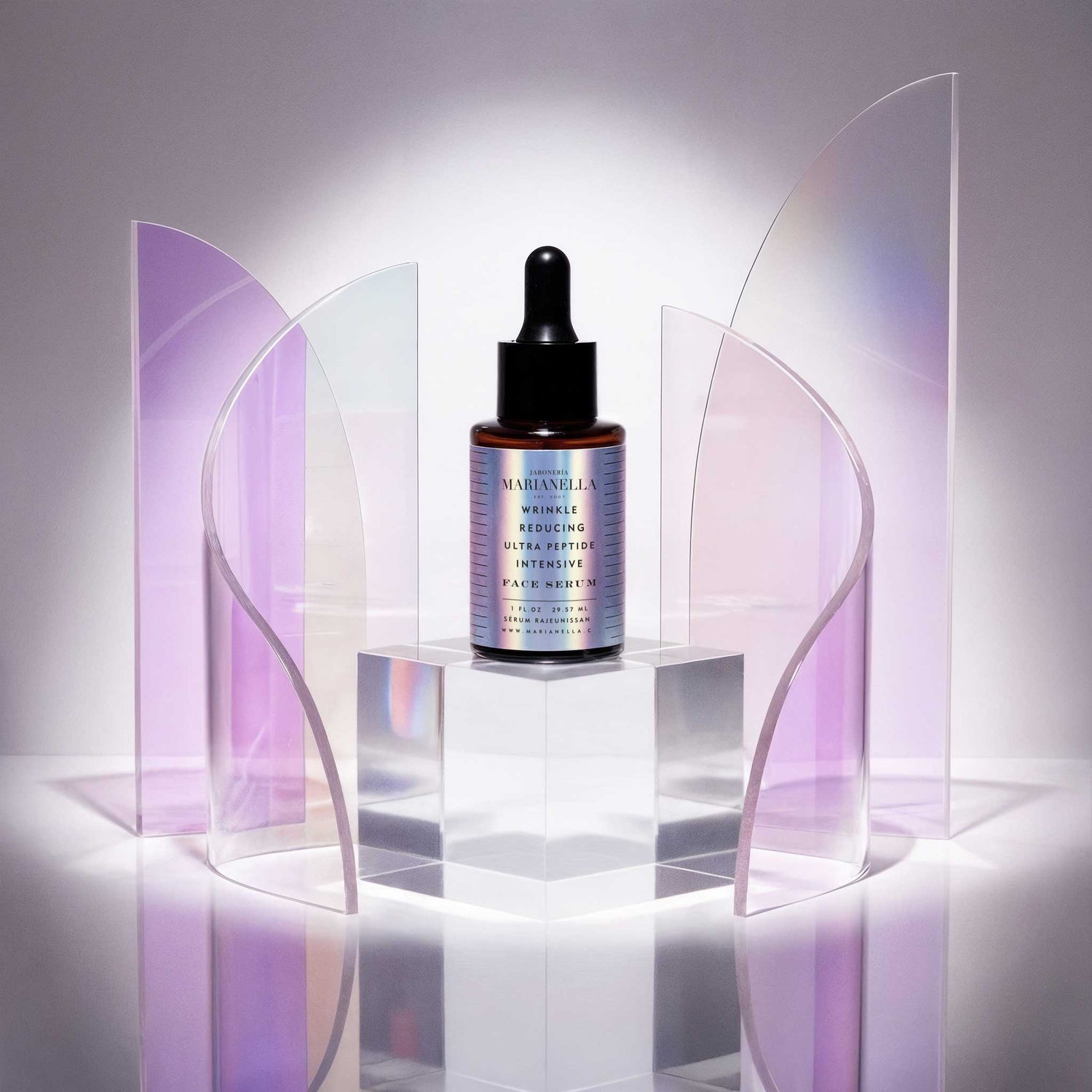
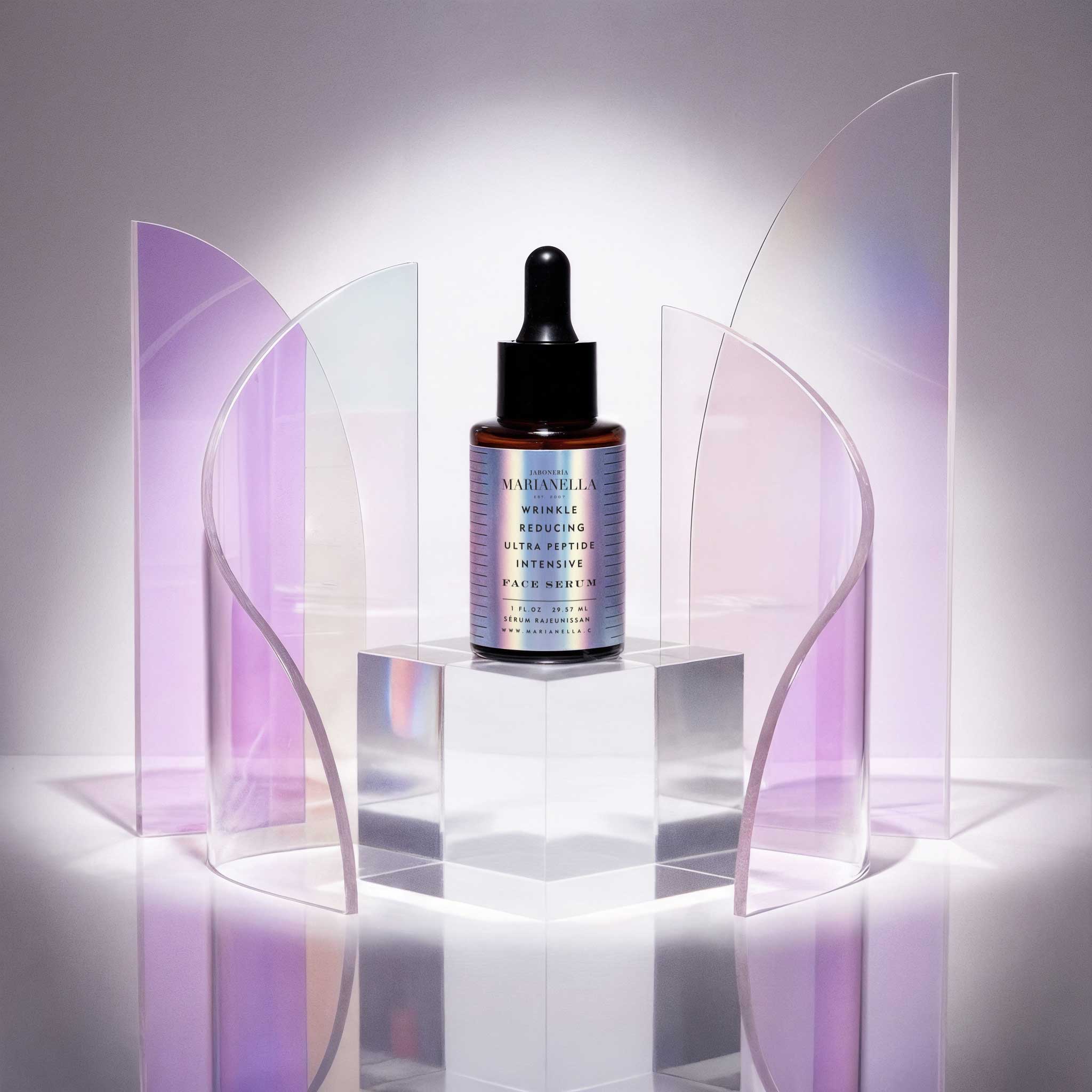
This serum is built around the intersection of peptide technology and deep hydration. Glycerin provides the moisture foundation that allows peptides to work more effectively in a well-hydrated cellular environment. The result is a serum that addresses fine lines with both structural and hydration-based approaches simultaneously. Wrinkle Reducing Ultra Peptide Intensive Face Serum. $84.
Vitamin C Collagen Boosting Face Serum with Niacinamide
Vitamin C and niacinamide are both water-soluble actives that perform better in a properly hydrated skin environment. Glycerin supports that environment at the stratum corneum level, keeping the barrier intact while these brightening and collagen-supportive ingredients do their work. This is one of Marianella's most complete brightening formulas. Vitamin C Collagen Boosting Face Serum with Niacinamide. $50.
Wrinkle Reducing Ultra Peptide Intensive Night Cream
Nighttime is when the skin's repair processes are most active. A night cream with glycerin takes advantage of the skin's natural overnight permeability, allowing the humectant to build that reservoir effect described in clinical research. Paired with peptides in a richer cream base, glycerin here functions as the hydration anchor for a full recovery formula. Wrinkle Reducing Ultra Peptide Intensive Night Cream. $112.
How to Use Glycerin in Your Skincare Routine
Glycerin belongs in both morning and evening routines. In skincare products, glycerin is commonly paired with occlusives, another type of moisturizing agent, to trap the moisture it draws into the skin. Apply a glycerin-containing serum on slightly damp skin, then follow with a moisturizer or face oil to seal the hydration in. This layering approach amplifies the reservoir effect that clinical studies identify as glycerin's most lasting benefit.
Products with glycerin levels in the 5-20% range are generally considered optimal for most skin types. Well-formulated products, including those in Marianella's lineup, are calibrated within effective ranges so you get the benefit without the stickiness of undiluted glycerin.
The Bottom Line on Glycerin Skincare Benefits
Glycerin is not a filler ingredient. It is the molecule the skin already uses to regulate its own hydration, backed by decades of clinical research, and it remains one of the most effective and safest actives in modern formulation. In 2026, as the industry moves toward barrier-plus-hydration as the new standard, glycerin is not catching up to the trend. It built the foundation the trend is standing on.
Explore Marianella's glycerin-anchored serums and creams at marianella.co and at Bloomingdale's BEAUTYSPACE.
```

Dejar un comentario
Este sitio está protegido por hCaptcha y se aplican la Política de privacidad de hCaptcha y los Términos del servicio.