


The first truly cold morning of the year catches in the throat on the walk outside. A drop of peppermint oil does something close to that on skin, and that cold is where every one of peppermint oil's benefits starts. Its menthol tells the nerves in your skin that the air just dropped, even though it hasn't. From that one signal come the rest: cooling that eases itch, more blood moving near the surface, and a scent that wakes you up. Here is what the research shows about peppermint oil in serums, soaps, lotions and body oils, what each format does well, and how to pick the best peppermint oil products in 2026.
What peppermint oil is, and why it feels cold
Peppermint oil is a volatile essential oil steam-distilled from the Mentha piperita plant. Most of what it does comes from one molecule. Peppermint essential oil is roughly 30 to 55 percent menthol by weight, depending on harvest, plant chemotype, and distillation. After menthol, the next biggest component is menthone, at 10-30%.
The cold receptor peppermint oil switches on
Your skin has a sensor for cold called TRPM8. Menthol binds directly to TRPM8, a thermosensitive ion channel in sensory nerve endings that normally fires in response to temperatures below about 26°C. Once menthol is in place, the channel opens and signals as though the skin had actually cooled. That is why the cold feels real. To your nerves, it is.
How long the cooling lasts
In one study of a 5% menthol gel, there was a significant cold sensation reported at 10 minutes post-application that persisted throughout the 30 minutes of monitoring. The same researchers also observed an increase in cutaneous blood flow in the area of skin treated. That is the flush you can feel a few minutes after peppermint goes on.
Peppermint oil benefits for itchy, restless skin
The best human evidence for peppermint oil on skin comes from a 2016 trial on chronic itch. Patients were instructed to hydrate the skin and then apply topical peppermint oil, while Group II patients applied petrolatum, twice daily for 2 weeks. The peppermint preparation was 5% crude peppermint oil in petrolatum, and comparing the two groups favored the improvement following the use of peppermint oil than using placebo (P-value <0.05). Side effects were few: only four patients who applied the oil in skin folds (groin and axillae) complained of a burning sensation.

Peppermint oil also shows promise against bacteria, though only in the lab so far. There is reasonable in-vitro evidence for antimicrobial activity against acne-associated bacteria (including Cutibacterium acnes), but human acne trials on peppermint specifically are lacking.
Peppermint oil for hair and beards: what the 2014 study found
Hair is where peppermint oil gets the most attention online, and the claims there need the most care. In a 2014 study, 3% peppermint oil (PEO) was found to significantly promote hair growth in C57BL/6 mice over a period of 4 weeks, compared to saline, jojoba oil, and 3% minoxidil. The catch is that it was done in mice. There has been no human trial to confirm that peppermint oil regrows hair or slows hair loss.
So for a beard or a scalp, what peppermint oil reliably gives you is how it feels: cold at the roots, skin that wakes up under the hair, and a bright scent that lasts into the morning.
Peppermint oil in serums, soaps, lotions and body oils
The same oil behaves differently depending on what carries it. How long it stays on your skin decides how long you feel it.
Soaps and cleansers
A soap rinses off, so the cold arrives in the shower and goes down the drain with the water. It is the lightest way to use peppermint, and a good place to start if you have never tried it.
Lotions and serums
These stay on, so the strength matters more. For faces, one guideline suggests diluting peppermint oil to 0.2 to 0.5 percent, which is 1 to 3 drops per 30 ml of rosehip, argan, or jojoba carrier. This range follows the Tisserand Institute facial cosmetic dilution guideline for sensitive and mature skin.
Body oils and beard oils
An oil carries peppermint slowly. You warm it between your palms and work it in, and the cold builds over a few minutes instead of hitting all at once. This is the format where peppermint lasts longest on the skin.
How to choose the best peppermint oil products in 2026
- Look for a blend, not pure oil. Peppermint is meant to be diluted in a carrier. For itchy skin, topical applications of peppermint essential oil diluted to about 1–5% concentration are common, and faces usually do better with less.
- Patch test first. Hair-care guidance on peppermint oil calls for diluting it in a carrier oil, with a patch test required before use.
- Keep it off thin skin. Keep peppermint away from the eyes. In the 2016 trial, the only burning reported came from skin folds.
- Buy it for the feeling. The best peppermint oil products in 2026 are the ones that are honest about this. The cold and the comfort are well studied. Regrowing hair is not.
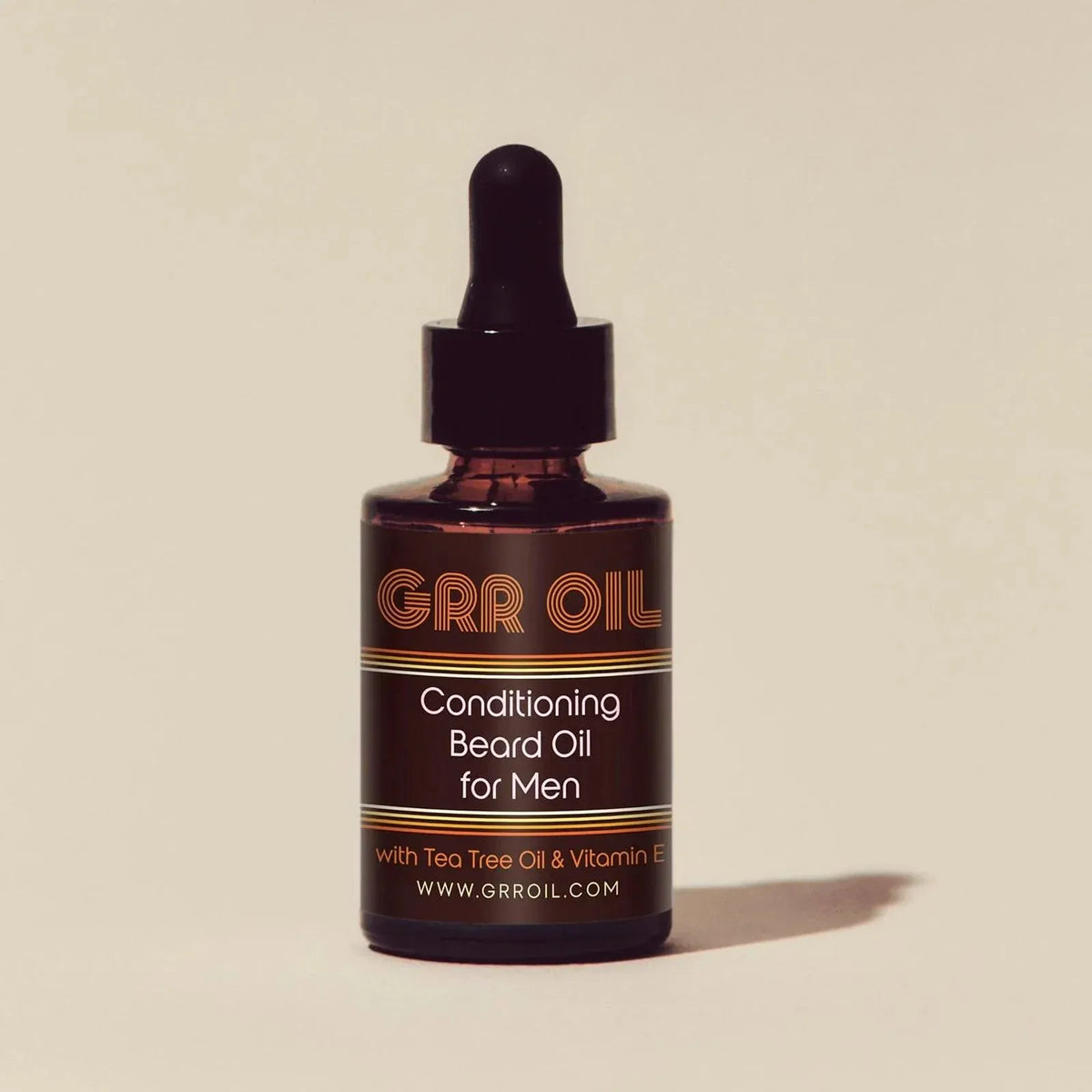
GRR Oil: our peppermint beard oil
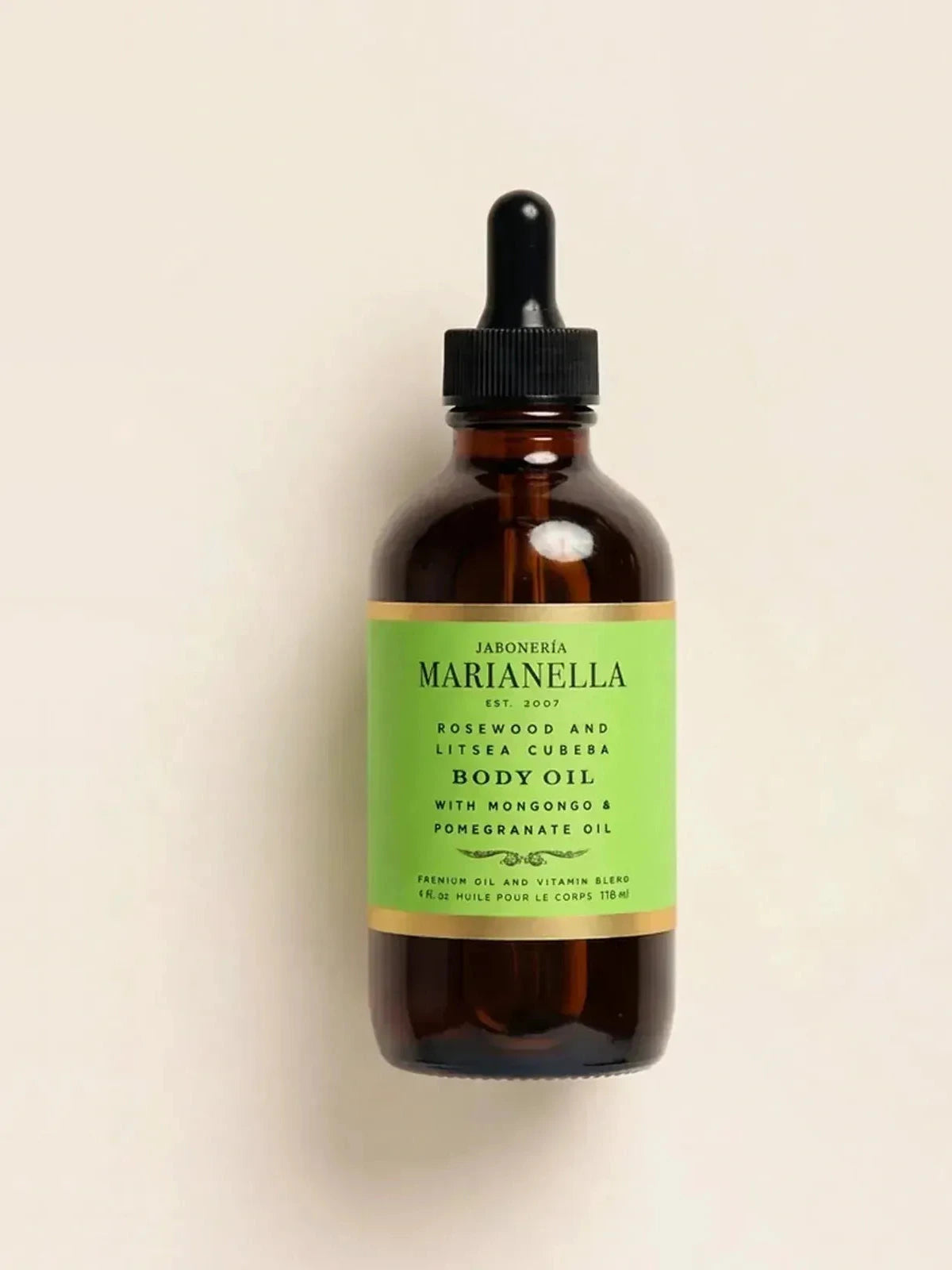
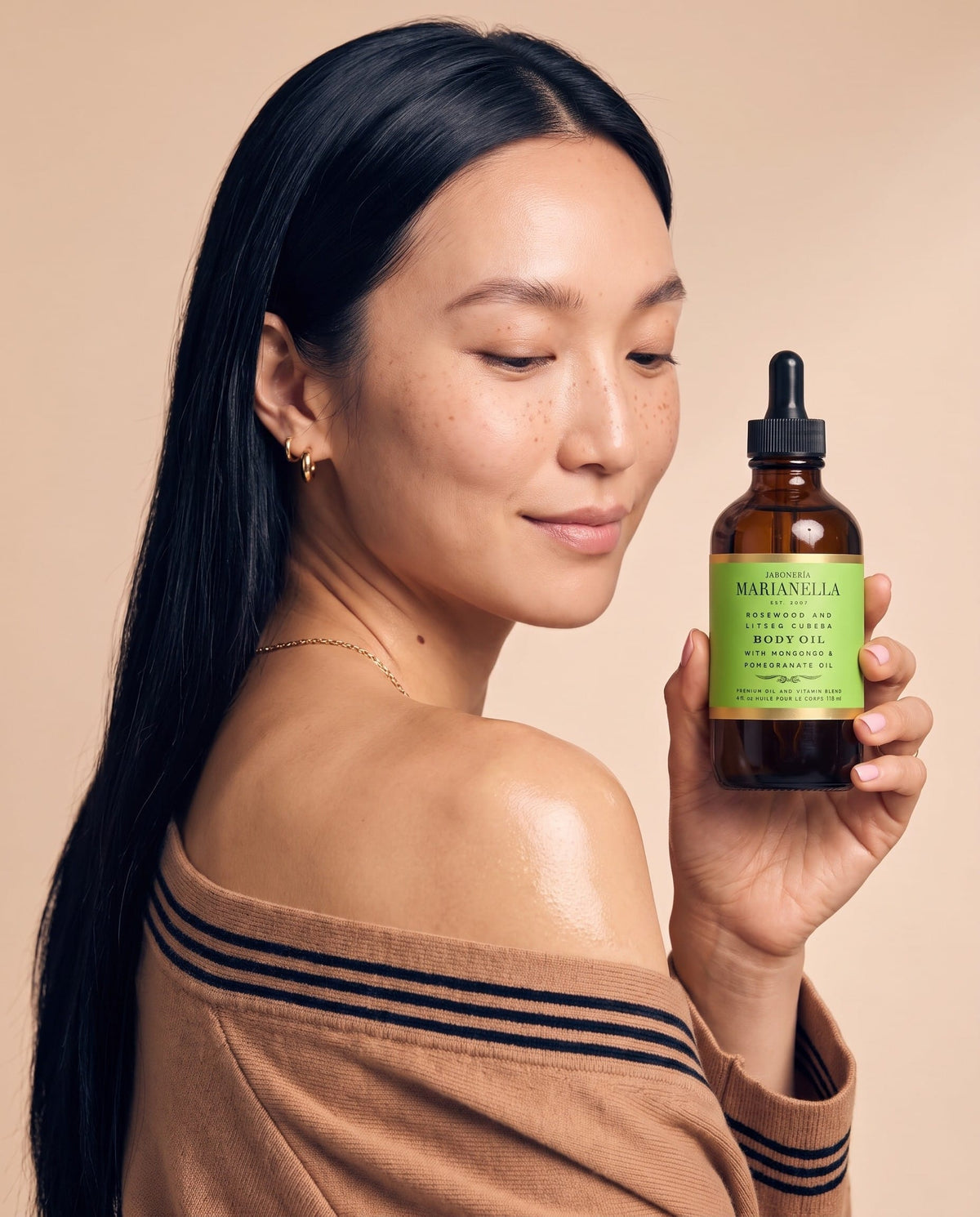
Before the scarf, before the coffee, you work a few drops into your beard and press it down to the skin underneath. At first nothing happens. Then, as the oil spreads, the cold comes up through your jaw like the first breath of a frosty morning, and it stays with you out the door. GRR Oil Beard Oil ($36) carries peppermint oil for that reason, and it is made for anyone who keeps a beard and wants it to feel like the start of the day. [Other oils in the GRR Oil blend, from the Product Bible]
GRR Oil Beard Oil is $36 at marianella.co.
FAQ
Does peppermint oil actually cool the skin?
It cools the feeling, not the temperature. Menthol triggers the skin's cold receptor, TRPM8, so the channel opens and signals as though the skin had actually cooled. In one study of a 5% menthol gel, the cold was still there after half an hour.
Is peppermint oil safe to use on the face?
In low amounts, for most people. For sensitive skin, the Tisserand Institute guideline puts facial use at 0.2 to 0.5 percent in a carrier oil. Patch test first and keep it away from the eyes.
Can peppermint oil help a beard grow?
No one has shown that in people. The 2014 study that found faster hair growth was done in mice, and there has been no human trial to confirm that peppermint oil regrows hair or slows hair loss. Use a peppermint beard oil for how it feels.
How much menthol is in peppermint oil?
Usually about a third to a half. Menthol makes up roughly 30 to 55 percent of the oil by weight, depending on the harvest, the plant and how it was distilled.



















Dejar un comentario
Este sitio está protegido por hCaptcha y se aplican la Política de privacidad de hCaptcha y los Términos del servicio.