

Aloe vera skincare benefits are among the most thoroughly documented in modern dermatology. Across skin types and concerns, from dehydration to post-sun sensitivity to visible signs of aging, this single botanical delivers a breadth of clinically studied activity that few ingredients can match. In 2026, as formulation science grows more sophisticated, aloe vera remains a foundational ingredient — not because of trend, but because of biology.
At Marianella, founded in Brooklyn in 2007 by a Venezuelan-born formulator drawing on three generations of botanical beauty knowledge, aloe vera has been a trusted building block across our 82-product lineup. Eighteen years of small-batch handcrafting has taught us exactly what this plant does — and how to deploy it alongside other high-performance actives for results that are precise, not accidental.
What Is Aloe Vera? A Definition for the Science-Curious
Aloe vera, or Aloe barbadensis, is a thick, short-stemmed plant that stores water in its leaves. A drought-resistant succulent, it is renowned for its wide-ranging medicinal properties. The part used in skincare is the inner leaf gel — a translucent, viscous substance that is compositionally remarkable. Aloe gel is composed of 96% water, with the remaining 4% being dry matter that includes dietary fiber (73.35%), ash (16.88%), protein (6.86%), fat (2.91%), and ascorbic acid.
That 4% of dry matter is where the activity lives. Aloe vera contains a large quantity of organic compounds including polysaccharides, enzymes, salicylic acid, tannins, fatty acids, vitamins, lectins, flavonoids, minerals (electrolytes), and proteins. The result is an ingredient with genuine multi-functionality — not a marketing claim, but a verifiable biochemical profile.
The Core Science Behind Aloe Vera for Skin
Acemannan: The Hydration Architect
Acemannan, a β-(1,4)-acetylated soluble polymannose, is the major bioactive polysaccharide of aloe vera, extracted from its gel and skin. It is the molecule most directly responsible for aloe's reputation as a hydrator. Polysaccharides such as acemannan are known for their hydrating and skin-soothing properties. They form a protective barrier on the skin, helping to retain moisture and support the skin's natural healing process.

|
$84 |

|
$50 |

|
$32 |

|
$29 |
Mucopolysaccharides have water retention capabilities and help keep skin moisturized. Acemannan is a strong plant-based immunomodulator that controls various immunological reactions and has various pharmacological roles alongside other bioactive compounds. This dual function — passive hydration and active biological signaling — is what separates acemannan from simpler humectants.
Anti-Inflammatory Compounds: Bradykinase and Plant Sterols
Inflammation is the root of most visible skin distress, from redness and puffiness to accelerated aging. Aloe vera addresses it through several distinct pathways. Its gel is rich in polysaccharides, notably acemannan, enzymes like bradykinase, vitamins, and amino acids that calm redness while supporting repair.
The peptidase bradykinase was isolated from aloe and shown to break down bradykinin, an inflammatory substance that induces pain. Bradykinase helps to reduce excessive inflammation when applied to the skin topically. Alongside bradykinase, aloe provides four plant steroids: cholesterol, campesterol, β-sitosterol, and lupeol. All have anti-inflammatory action, and lupeol also possesses antiseptic and analgesic properties.
Aloe vera's demonstrated anti-inflammatory actions include blocking the generation of inflammatory mediators such as thromboxanes and bradykinin, reducing neutrophil infiltration during inflammation, and reducing edema. These are measurable, mechanistic effects — not generalized "soothing."
Antioxidant Profile: Vitamins A, C, and E
Carotenoids, phenolic compounds, and vitamins C and E give the plant a strong antioxidant profile, which counteracts oxidative stress — a key driver of premature aging, photodamage, and inflammatory dermatoses. Aloe vera can enhance the proliferation of cells and prevent cell damage through anti-oxidative properties, stimulating the secretion of superoxide dismutase and peroxidase. Superoxide dismutase is one of the skin's most important endogenous antioxidant enzymes — the fact that aloe vera stimulates its production, rather than simply depositing external antioxidants, is a meaningful distinction.
Aloe Vera Skincare Benefits Backed by Clinical Research
Wrinkle Reduction and Elasticity
In a controlled study, thirty healthy female subjects over the age of 45 received two different doses of aloe vera gel supplementation for 90 days. Facial wrinkles were measured using a skin replica, and facial elasticity was measured by an in vivo suction skin elasticity meter. Skin samples were taken before and after aloe intake to compare type I procollagen and MMP-1 mRNA levels. After aloe gel intake, facial wrinkles improved significantly in both dose groups, and facial elasticity improved in the lower-dose group.
A separate study confirmed that aloe sterol stimulates collagen and hyaluronic acid production in human dermal fibroblasts. A 12-week randomized double-blind placebo-controlled trial revealed statistical differences in skin moisture, transepidermal water loss, skin elasticity, and collagen score between the aloe sterol and placebo groups. The gross elasticity, net elasticity, and biological elasticity scores of the aloe sterol group significantly increased with time.
Regular application of aloe vera-infused products enhances the elasticity of skin, reduces wrinkles, and gives it a more refined texture. These outcomes are consistent across the literature — aloe's contribution to anti-aging is real, and it compounds when combined with peptide and vitamin C actives in well-constructed formulas.
Skin Barrier Function and Moisture Retention
A 2025 study published in MDPI's Life journal examined aloe vera phytoplacenta extract and its effects on skin health. An aloe vera phytoplacenta extract-containing product notably reduced facial skin temperature to 24.9°C compared to 32.3°C for the control product — a measurable indicator of reduced skin inflammation and improved barrier integrity. The extract was found to be non-toxic to epidermal cells at concentrations up to 2%.
Aloe vera contains enzymes like bradykinase, which reduces inflammation, and aloin, which acts as a mild exfoliant by removing dead skin cells. These enzymes enhance the penetration of other active ingredients in skincare formulations, making them more effective. This is one of the most practically important properties for a complex serum or treatment product: aloe vera doesn't just contribute its own benefits, it amplifies the delivery of everything formulated alongside it.
Antimicrobial and Acne-Relevant Properties
For blemish-prone skin, aloe vera delivers targeted activity. The activity of aloe vera inner gel against both Gram-positive and Gram-negative bacteria has been demonstrated by several methods. Streptococcus pyogenes and Streptococcus faecalis are among the microorganisms inhibited by aloe vera gel. Acemannan specifically has been studied for its role in addressing acne-causing bacteria, adding another dimension to its already broad activity profile.
How Aloe Vera Works Across Skin Types
One of aloe vera's most distinctive qualities is its versatility. For combination skin, aloe vera provides balanced hydration and controls oil without leaving the skin greasy. Its polysaccharides create a protective barrier that retains moisture while allowing the skin to breathe. For sensitive skin, the bradykinase and sterol content make it particularly well-suited to calming reactivity without adding burden to a compromised barrier. For aging skin, the collagen and elasticity data speak directly to its role in a results-focused routine.
Some basic studies have found that aloe vera has cosmetic effects such as whitening, sun protection, antioxidant, anti-aging, and moisturizing. Few botanical ingredients span this range of activity with the research depth that aloe vera can point to in 2026.
Aloe Vera in Marianella Formulas: Where It Meets the Work
Eighteen years of formulation in Brooklyn, rooted in Venezuelan botanical tradition, means Marianella approaches aloe vera with both scientific rigor and generational respect for the plant. It does not appear in our formulas as filler. It appears because it does something specific — hydrating, calming, barrier-supporting, and penetration-enhancing — alongside the peptides, vitamins, and rare botanical oils that define each product's identity.
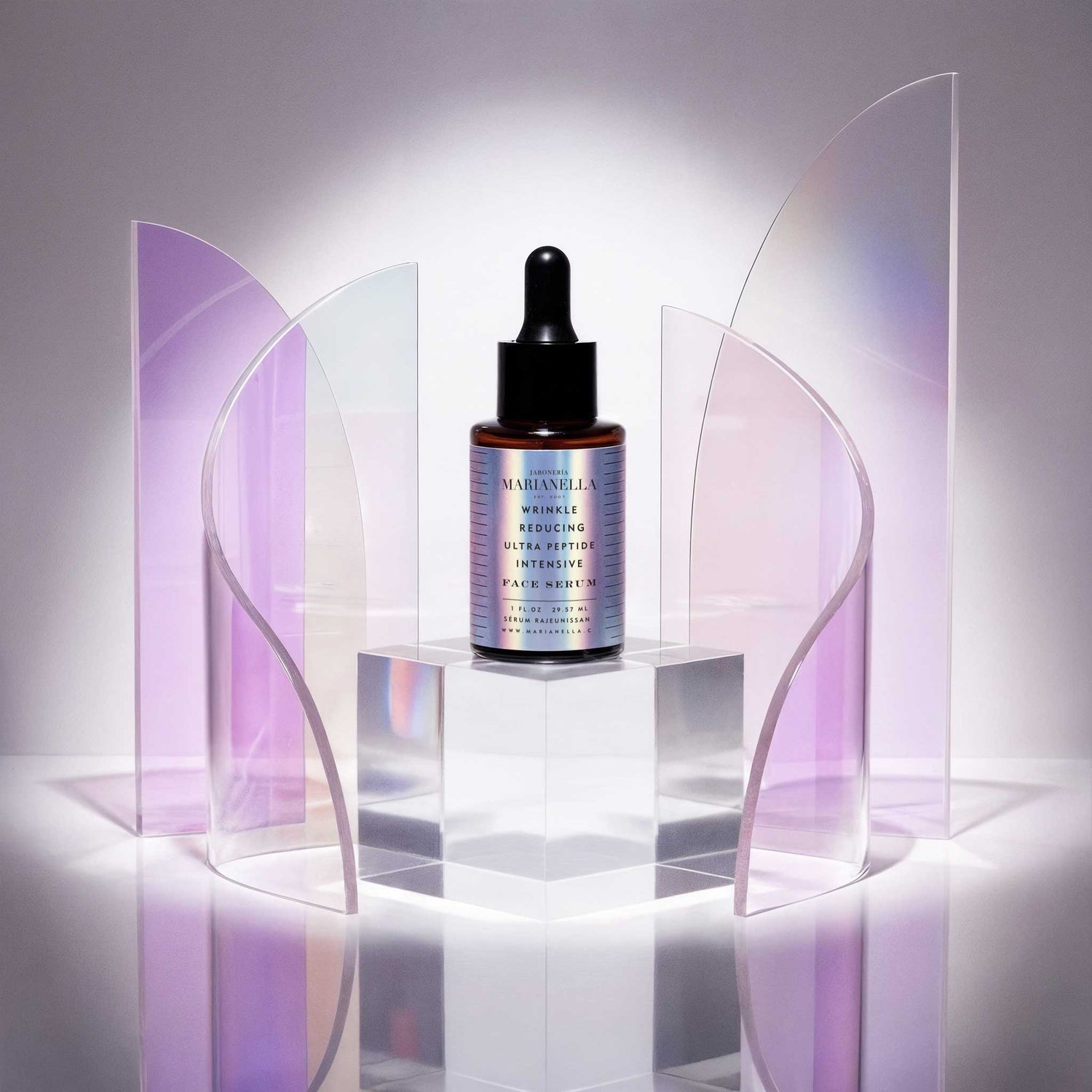
Wrinkle Reducing Ultra Peptide Intensive Face Serum
Aloe vera's ability to stimulate procollagen expression and enhance the delivery of neighboring actives makes it a logical partner for a peptide serum. Here, it works within a formula designed to visibly address depth of line and skin firmness. The texture is lightweight and absorbs without residue. Wrinkle Reducing Ultra Peptide Intensive Face Serum, $84.
Vitamin C Collagen Boosting Face Serum with Niacinamide
Aloe vera's vitamin C content pairs naturally with a dedicated vitamin C serum, and its anti-inflammatory compounds provide stability for skin that can sometimes react to high-potency antioxidant formulas. This serum targets uneven tone, dullness, and early signs of collagen loss — aloe's barrier-reinforcing properties keep the experience comfortable and effective. Vitamin C Collagen Boosting Face Serum with Niacinamide, $50.
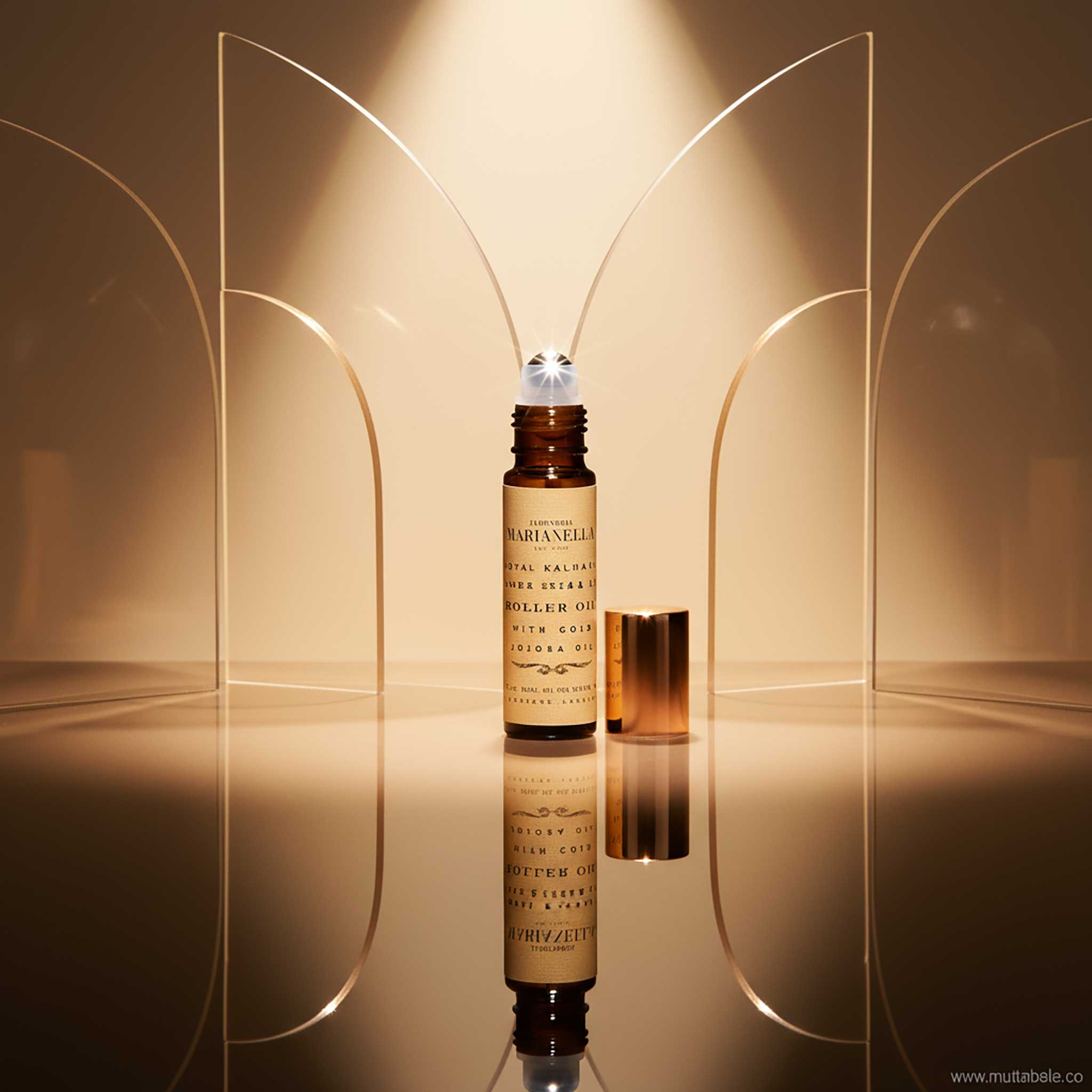
The Royal Kalahari Under Eye and Lip Serum Roller Oil
The skin around the eye and lip is thinner and more reactive than the rest of the face. Aloe vera's proven anti-inflammatory activity and lightweight hydration profile make it particularly appropriate here, where the goal is to deliver moisture and calm without heaviness or irritation. The roller format provides a cooling application that amplifies aloe's known soothing effects. The Royal Kalahari Under Eye and Lip Serum Roller Oil, $32.
Detox Gel now with Kalahari Melon Seed Oil
A gel format is aloe's native form — this is where the ingredient's texture and biology align most naturally with the product experience. Here, aloe works alongside Kalahari Melon Seed Oil to deliver hydration, skin-barrier support, and the clarity of a clean, lightweight finish. Ideal for oily and combination skin, or as a primer step before serums. Detox Gel now with Kalahari Melon Seed Oil, $29.
How to Layer Aloe Vera Products for Best Results in 2026
The conventional guidance still applies: thinnest to thickest. An aloe-rich gel cleanser or toner first, followed by an aloe-based serum, then a moisturizer to seal. But the more important principle is matching the aloe product's supporting actives to your skin's primary concern. For visible aging, the peptide serum. For tone and dullness, the vitamin C formula. For sensitivity or barrier repair, the detox gel as a standalone or base layer.
Aloe vera's enzymes enhance the penetration of other active ingredients in skincare formulations, making them more effective. That means sequencing an aloe-forward product before a more targeted treatment is not just logical — it is biochemically supported.
The Bottom Line on Aloe Vera for Skin
Aloe vera benefits can include reducing dental plaque, accelerating wound healing, improving skin barrier function, and managing blood sugar — but its most consistent and commercially relevant application remains topical skincare. The science on hydration, inflammation, antioxidant activity, and collagen support is substantive and growing. No other botanical ingredient of comparable accessibility carries a research profile this broad.
At Marianella, now available at Bloomingdale's BEAUTYSPACE alongside our full small-batch lineup, aloe vera appears in formulas that have earned coverage in Vogue, Oprah, Forbes, and Allure, and a People Magazine Star Beauty Award. The ingredient's presence in those formulas is not decorative. It is functional, dosed deliberately, and formulated with 18 years of botanical expertise behind every decision.
If you are building or refining a routine around aloe vera for skin, explore the products above. Each one is a different entry point into the same botanical intelligence — applied precisely, with intent.
```

Dejar un comentario
Este sitio está protegido por hCaptcha y se aplican la Política de privacidad de hCaptcha y los Términos del servicio.