

🌿 The house reopens in September. Windows go up, jars come down from storage, and light moves across the counter differently than it did in August.
Sunflower seed oil is a cold-pressed botanical oil that supports the skin's own barrier through two well-documented compounds: linoleic acid and vitamin E. Sunflower seed oil beauty benefits are not folklore. They show up across dermatology literature that spans decades, and in 2026, the oil remains one of the most studied plant-derived emollients in skincare formulation. Here is what the research actually says, and where the oil shows up inside a body care line handcrafted in Brooklyn.
## What Is Sunflower Seed Oil?
Sunflower seed oil, listed on ingredient panels as Helianthus annuus seed oil, is pressed from the seeds of the common sunflower. In skincare, it is mainly used as an emollient agent in cosmetic products. This is made possible by its high concentrations of oils, namely oleic acid and linoleic acid, along with vitamin E. Sunflower seed oil is one of the richest sources of linoleic acid among common plant oils, at roughly 48 to 74 percent depending on the cultivar. It is a natural triglyceride with different carbon chain lengths, and linoleic acid is its major component.
## Sunflower Seed Oil Benefits for Skin: The Science
### Linoleic Acid and the Skin Barrier
The headline sunflower seed oil benefit is structural, not cosmetic. Linoleic acid is an essential fatty acid, meaning the body cannot synthesize it, and it integrates into ceramide-1 linoleate, a key structural component of the stratum corneum lipid matrix. That matters because linoleic acid acts as an agonist of peroxisome proliferator activated receptors, which stimulates keratinocyte proliferation and the synthesis of lipids, cholesterol, and ceramides. Rich in unsaturated fatty acids, particularly linoleic and oleic acid, sunflower seed oil supports skin health by restoring lipid bilayer organization and modulating ceramide synthesis. Ceramides hold skin cells together the way mortar holds brick. When linoleic acid supply is adequate, that mortar stays intact.
### Vitamin E and Oxidative Protection
Sunflower seed oil also contains tocopherols, primarily alpha-tocopherol, that function as chain-breaking antioxidants, protecting against lipid peroxidation, which is particularly important because oxidized lipids lose their structural function and contribute to barrier breakdown. This tocopherol content is also the reason sunflower oil keeps better than most polyunsaturated oils. Formulators notice this in the jar before it ever reaches skin: an oil that resists rancidity holds its texture and its scent longer.
### What the Comparative Studies Show
Two studies stand out for anyone reading past the marketing copy. In a randomized, community-based trial, 995 neonates were assigned to full body massage with sunflower seed oil or mustard seed oil from July 2012 to May 2014 in Sarlahi, Nepal. Skin pH decreased more quickly for the sunflower seed oil group in the first week of life, with a difference in mean daily reduction of 0.02. Researchers noted that the more rapid acid mantle development observed with sunflower seed oil may be protective, particularly in lower-resource settings. A separate forearm comparison found something similar in adults: sunflower seed oil preserved the integrity of the outer skin layer and improved hydration, while olive oil applied the same way reduced barrier integrity and caused mild redness.
### How Sunflower Seed Oil Compares to Safflower Oil
Formulators often weigh sunflower against safflower, since both are high-linoleic. Sunflower oil's advantage is its higher vitamin E content, which provides built-in antioxidant protection for both the oil and skin lipids. Sunflower seed oil also carries a comedogenicity rating of around zero, meaning it is unlikely to clog pores, and both oils are considered excellent choices for linoleic acid-based barrier support. The texture is light in either case. The difference sits mostly in shelf stability and antioxidant load, and sunflower wins there.
## Best Sunflower Seed Oil Products 2026
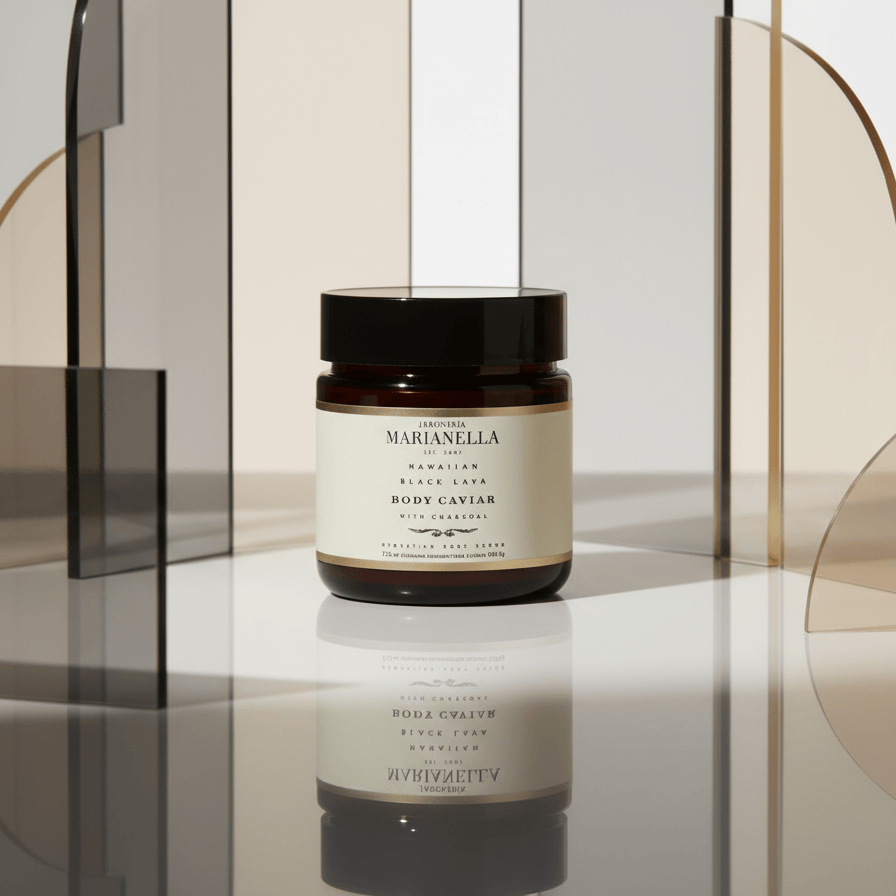
Not every formula built around this oil earns a place on a shelf. When Marianella looks for the best sunflower seed oil products for 2026, the standard is simple: small batches, clean ingredient lists, and a formula that performs the way the research says it should. The Hawaiian Black Lava Body Caviar Body Scrub with Charcoal ($38) is where sunflower seed oil meets the brand's Venezuelan-rooted, Brooklyn-handcrafted approach to body care. It is one product among 82 across Face, Body, Hand, Home, and Fragrance, each mixed by hand rather than run through a mass line.
A scrub built this way does double work. The texture buffs, and the oil beneath it stays behind, sitting on skin the way a light emollient should. This is a brand that has been handcrafting since 2007, which means 19 years of formulation habit, batch by batch, without shortcuts.
## Using Sunflower Seed Oil in a September Routine
The room fills with morning light again. A jar opens on the bathroom shelf, and the ritual is simple: rinse, scrub, rinse again. Sunflower seed oil-based body products work best applied to skin that is still a little damp, since the oil helps seal in the water already there rather than adding a heavy layer on top. Pat rather than rub. Let it absorb before dressing. That is the whole method, no more elaborate than the ingredient itself.
For anyone building a September body care rotation, a scrub that pairs an eco-luxury sunflower base with texture and grounding pigment is one way to feel the ingredient at work rather than just read about it: the Hawaiian Black Lava Body Caviar Body Scrub with Charcoal ($38) is available now at marianella.co.
## FAQ
**Is sunflower seed oil good for all skin types?**
Sunflower seed oil carries a low comedogenicity rating of around zero and a light, fast-absorbing texture, which is why it appears across body and face formulas for a range of skin types. Its main strength is barrier support through linoleic acid, a fatty acid already present in the skin's own sebum.
**Does sunflower seed oil clog pores?**
Its comedogenicity rating sits around zero, meaning it is considered unlikely to clog pores. This is one reason formulators reach for it in lightweight body oils and scrubs rather than heavier, denser plant oils.
**Is sunflower seed oil safe for people with nut allergies?**
Sunflower oil is safe for people with tree nut allergies, since it is seed-derived rather than nut-derived. It remains a common substitute in formulas built for sensitive or allergy-prone skin.
**How is sunflower seed oil different from safflower oil?**
Both oils are high in linoleic acid, but sunflower's advantage is its higher vitamin E content, which provides built-in antioxidant protection for both the oil and skin lipids. Safflower oil can run slightly higher in linoleic acid percentage, but sunflower's antioxidant load gives it a shelf-life edge.
**Why does sunflower seed oil stay fresh longer than other plant oils?**
Its tocopherol, or vitamin E, content is the reason sunflower oil keeps better than most polyunsaturated oils. The same antioxidants that protect skin from oxidative stress also protect the oil itself from turning rancid on the shelf.


Dejar un comentario
Este sitio está protegido por hCaptcha y se aplican la Política de privacidad de hCaptcha y los Términos del servicio.