

Rosemary extract skincare benefits are no longer a matter of folk wisdom or social-media conjecture. In 2025 and into 2026, peer-reviewed science from institutions including the University of Pennsylvania's Perelman School of Medicine confirmed what botanical formulators have long understood: this Mediterranean herb does measurable, specific work on human skin. At Marianella, with 18 years of small-batch formulation expertise rooted in three generations of Venezuelan botanical knowledge, rosemary has always earned its place in a formula.
What Is Rosemary Extract? A Dermatology-Grade Definition
Rosemary (Rosmarinus officinalis) belongs to the botanical Lamiaceae family, which includes thyme, lemon balm, and sage, and the leaf is a rich source of phenolic diterpenes, flavonoids, and phenolic acids. In skincare, "rosemary extract" refers to a concentrated preparation derived from those leaves, standardized for its bioactive compounds.
The rosemary leaf is comprised of powerful antioxidant compounds including rosmarinic, caffeic, chlorogenic, ferulic, and carnosic acids. Caffeic acid and its derivative, rosmarinic acid (RA), are potent, synergistic, natural bioactive cofactors. Each of these compounds plays a distinct role when the extract is applied to skin, which is why rosemary behaves differently in a formula than a single isolated antioxidant.
The Science Behind Rosemary Extract for Skin
Carnosic Acid and the TRPA1 Mechanism
The most significant recent research into rosemary extract for skin came out of the University of Pennsylvania in late 2025. In adult wound healing mouse models, an ethanol-based rosemary extract accelerated the speed of wound healing and mitigated fibrosis. Mechanistically, carnosic acid, a major bioactive component of rosemary leaves, activates the transient receptor potential ankyrin 1 (TRPA1) nociceptor on cutaneous sensory neurons to enhance tissue regeneration.

Carnosic acid, a natural antioxidant in rosemary, promoted scar-free healing in mice by activating a nerve sensor tied to regenerative repair. The researchers made cream with carnosic acid to accelerate wound closure and restore hair follicles, oil glands, and cartilage. What makes this finding notable is not just the outcome but the mechanism: a natural compound triggering a specific receptor pathway previously considered difficult to activate without causing irritation.
"Rosemary stood out for its potency and safety," said Rapp Reyes, co-lead author of the study. "Other natural ingredients, such as mustard oil, or the topical medication imiquimod are known to also stimulate the TRPA1 receptor, but unlike rosemary, those can cause irritation and inflammation."
The researchers discovered that rosemary's regenerative effect occurs only at the location where the carnosic acid cream is used. Applying the cream to areas of skin far from the injury did not lead to scar-free healing, emphasizing that its benefits are strictly local. For topical skincare, this locality is a feature, not a limitation. It means the ingredient works precisely where it is applied.
Rosmarinic Acid: Anti-Glycation and Elasticity
Beyond wound healing, rosmarinic acid (RA) addresses a less-discussed but critical driver of skin aging: glycation. Glycative stress promotes the accumulation of advanced glycation end products (AGEs), impairing extracellular matrix proteins and accelerating skin aging. Rosemary extract has been shown to deglycate AGE crosslink proteins.
In a 2024 placebo-controlled clinical study, the data on RA's anti-glycation capacity were striking. Compared to control, RA demonstrated the greatest ability to reverse AGE crosslink proteins at 53% (p<0.0001). Additionally, rosemary extract and its natural cofactors demonstrated two times more deglycation ability than pure RA alone.
The clinical results supported the mechanism. A 12-percent increase in facial skin elasticity was demonstrated (p=0.001) with a 13-percent decrease in retraction time (p=0.01) from baseline at Week 12. This finding came from a 12-week randomized controlled trial in 104 women, ages 40 to 65, in which supplementation with rosemary extract improved measures of skin quality.
Anti-Inflammatory and Photoprotective Activity
Studies have demonstrated that carnosic acid can reduce the production of cytokines by preventing the activation of specific signaling pathways, including the MAPK pathway. Additionally, rosmarinic acid has been observed to downregulate the release of histamines and leukotrienes, which are chemical mediators involved in the inflammatory response. This inhibitory effect on pro-inflammatory mediators provides relief from symptoms associated with inflammatory skin conditions, including redness, swelling, and itching.
Rosemary extract also works at the cellular level to defend against UV-induced damage. Research has highlighted the action of Rosmarinus officinalis in downregulating basal and transcriptional levels of MMP-1, as well as the inflammatory cytokines IL-6 and IL-1α — two of the primary biochemical contributors to photoaging and collagen breakdown.
Carnosic acid is a labdane-type diterpene present in plant species of the Lamiaceae family, including rosemary. This lipid-soluble compound is recognized for its high antioxidative capacities, which have led to many industrial applications in the fields of foods and beverages, personal care, nutrition, and health. Its lipid solubility matters for skin: it means carnosic acid can penetrate lipid-rich cell membranes where water-soluble antioxidants cannot reach.
Collagen Support
Research published in Pharmaceutics explored the stimulating effect of rosmarinic acid and extracts from rosemary on collagen type I biosynthesis in skin fibroblasts, adding collagen support to the already long list of documented activities. Collagen type I is the primary structural protein in the dermis, and its decline is the most direct cause of thinning, sagging skin.
Why Rosemary Extract Works in Body Skincare, Not Just Serums
Rosemary extract is frequently positioned as a facial ingredient, but the science does not restrict it there. The skin on the body faces the same oxidative load, the same glycation stress, and the same barrier disruption. In fact, body skin, often thicker and subject to more environmental exposure, benefits directly from rosemary's documented anti-inflammatory and antimicrobial properties.
In addition to its antioxidant properties, rosemary leaf has anti-inflammatory, antibacterial, and antiviral effects, and has been shown to stimulate circulation. Circulation stimulation, in a body scrub context, complements the mechanical exfoliation process, supporting the delivery of oxygen and nutrients to newly cleared skin.
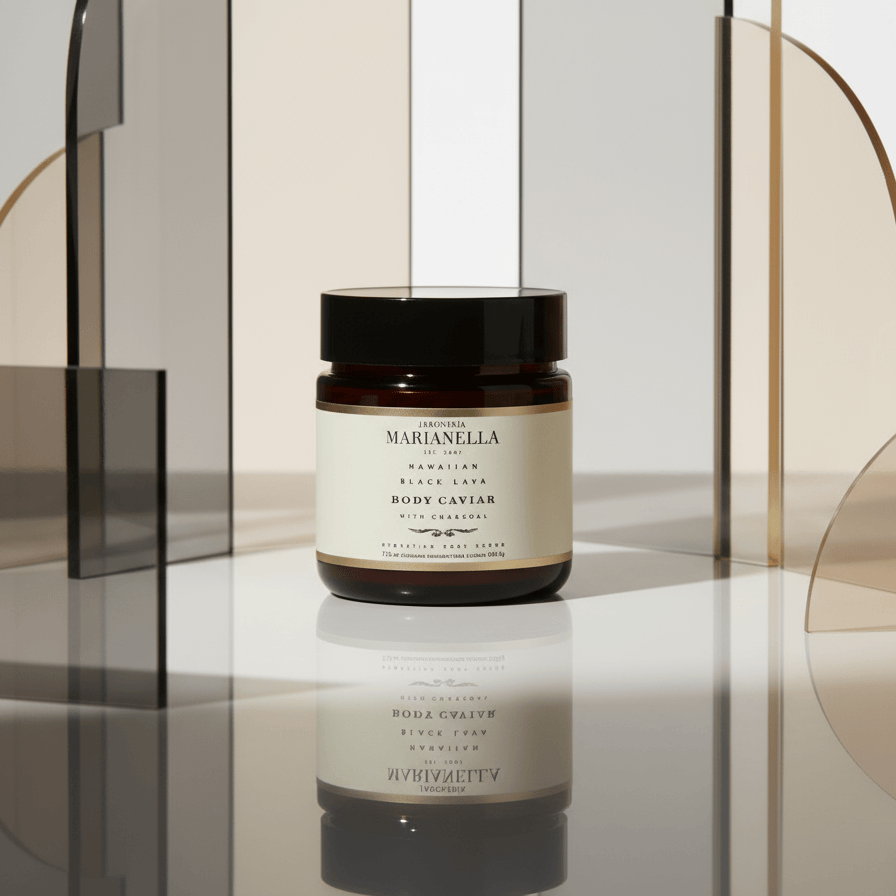
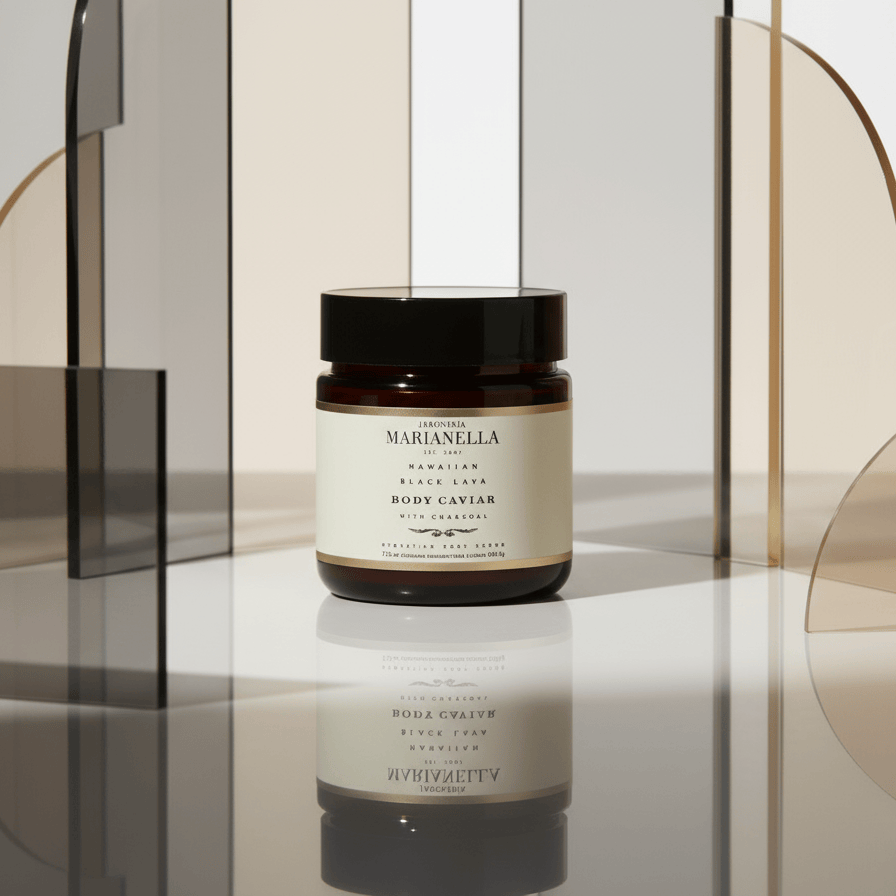
This is the precise rationale behind Marianella's Hawaiian Black Lava Body Caviar Body Scrub with Charcoal. Handcrafted in Brooklyn using 18 years of formulation expertise, this scrub pairs activated Hawaiian black lava charcoal with rosemary extract for a dual-action approach: physical exfoliation and antioxidant reinforcement working simultaneously on the skin surface. $34.
The result is skin that is not simply buffed clean, but actively supported at the surface by an ingredient with a documented scientific profile. It is the difference between a scrub and a treatment.
Rosemary Extract and the Botanical Heritage Behind Marianella
The rosemary plant is native to the Mediterranean, and its long history in botanical medicine is part of what makes it compelling to ethnobotanically informed formulators. Herbs and plants have historically been used as successful disease treatments due to their medicinal properties, with approximately 25% of drugs prescribed worldwide being of plant origin. Social media platforms have numerous videos describing the potential therapeutic effects of the Rosmarinus officinalis plant, with some of the most popular amassing over 20 million views.
But viral attention is not the same as validated knowledge. At Marianella, founded by a Venezuelan botanist drawing on three generations of South American botanical beauty traditions, the framework for selecting plant actives has always been empirical first. Ingredients earn their place through performance, not trend cycles. That the 2025 and 2026 scientific literature now robustly backs rosemary extract affirms choices made through formulation craft, not algorithm.
The brand's formulas have been recognized in Vogue, Forbes, Oprah, Allure, and WWD. People Magazine awarded Marianella its Star Beauty Award. The line, now available at Bloomingdale's BEAUTYSPACE, spans 82 products across face, body, and home. Across all of them, the ingredient philosophy is consistent: source botanicals with a real scientific basis, apply them in concentrations that perform, and formulate with the patience of small-batch craft.
How to Use Rosemary Extract in Your Skin Routine in 2026
For the Body
The most effective delivery mechanism for rosemary extract on the body is a scrub or treatment applied to damp skin, massaged in with light pressure, and left briefly before rinsing. This allows the active compounds to contact the freshly exfoliated skin surface before water removes them. Marianella's Hawaiian Black Lava Body Caviar Body Scrub with Charcoal is built around this application logic. $34.
Frequency and Skin Type Compatibility
Rosemary extract is well-tolerated across skin types. Its anti-inflammatory profile makes it appropriate even for sensitized skin, particularly given the research showing it does not provoke the kind of irritation associated with other compounds that target the same pathways. Two to three applications per week for a body scrub format is standard practice.
Pairing Logic
Rosemary extract pairs well with charcoal, clays, and exfoliating minerals because those ingredients address surface impurities while rosemary works at the oxidative and inflammatory level. It also pairs well with emollient bases that support the skin barrier post-exfoliation, which is why the Body Caviar formulation follows a scrub-to-moisture logic in a single product.
The Bottom Line on Rosemary Extract Skincare Benefits in 2026
The science is clear. "Many skin injuries end in scars, and in some people, it can lead to long-term cosmetic and even functional issues," said senior author Thomas Leung, MD, PhD, of Penn's Dermatology department. "Our findings suggest that rosemary extract, and specifically the antioxidant, carnosic acid, can shift the healing process from scarring to healthy skin regeneration." That finding, published in JCI Insight, represents a meaningful threshold in botanical dermatology.
Add the anti-glycation data from randomized controlled trials, the collagen biosynthesis research, the documented MMP-1 suppression, and the antimicrobial activity, and rosemary extract stands as one of the most multifunctional plant actives in current formulation science.
Marianella brings 18 years of expertise to every formula, and the Hawaiian Black Lava Body Caviar Body Scrub with Charcoal is one direct expression of that. If you want to explore the full range of 82 products, the collection is available at Marianella.co and at Bloomingdale's BEAUTYSPACE.
```

Dejar un comentario
Este sitio está protegido por hCaptcha y se aplican la Política de privacidad de hCaptcha y los Términos del servicio.