

Rosemary Extract Skincare Benefits: What the Science Actually Says in 2026
Rosemary extract skincare benefits are no longer a matter of folk wisdom or social media speculation. Peer-reviewed research published through 2025 has confirmed what botanical formulators have long understood: this Mediterranean herb delivers measurable, multi-mechanism results on skin. From antioxidant defense to collagen support to barrier repair, rosemary extract earns its place in a serious skincare formulation. Here is what the science shows, and why Marianella has been working with botanical actives of this caliber since 2007.
What Is Rosemary Extract?
Rosemary extract is a concentrated botanical derived from the leaves of Rosmarinus officinalis, a perennial herb native to the Mediterranean. In skincare, it is valued for its dense concentration of bioactive polyphenols. Rosemary herb extract contains potent antioxidants, including rosmarinic acid, carnosic acid, carnosol, and ursolic acid. Each of these compounds acts through distinct molecular mechanisms, which is part of what makes the extract so versatile as a formulation ingredient. Caffeic acid and its derivative, rosmarinic acid, are potent, synergistic, natural bioactive cofactors of the rosemary leaf. Together, they create an antioxidant profile that is difficult to replicate with synthetic alternatives.

The Antioxidant Case: Free Radicals, UV Stress, and Environmental Defense
Rosemary extracts, particularly rosmarinic acid, carnosic acid, and carnosol, demonstrated strong antioxidant activity in vitro, scavenging free radicals and protecting against UV-induced and pollution-induced skin damage. This matters because free radical accumulation is one of the primary drivers of visible skin aging, accelerating collagen breakdown and disrupting the barrier.
Carnosic acid and its derivative carnosol are both phenolic diterpenes able to neutralize cell membrane damage due to lipid peroxidation and activate the transcription factor regulating the expression of antioxidant proteins. That second mechanism, the activation of protective transcription factors, means the extract does not just neutralize existing free radicals. It prompts the skin to upregulate its own defenses.
Carnosol and carnosic acid downregulate the expression of inflammatory markers including IL-1β, TNF-α, COX-2, and iNOS in vitro and in vivo, suggesting potential benefits for conditions like atopic dermatitis. For skin that is reactive, sensitized, or environmentally stressed, that inflammatory modulation is clinically significant.
Anti-Aging Mechanism: Collagen, Glycation, and Structural Integrity
Two of the most compelling areas of rosemary extract research involve collagen biosynthesis and anti-glycation activity, both of which directly influence how skin ages structurally.
Collagen Stimulation
In OI patient fibroblasts, exposure to rosemary extracts and rosmarinic acid significantly increased collagen type I, with the best results obtained at 0.1–10 µM RA and 0.1–10 µg/mL of the extracts. Collagen type I is the primary structural protein responsible for skin firmness and elasticity. Its synthesis declines with age, making ingredients that support its production particularly relevant in anti-aging formulations.
Anti-Glycation: A Less-Discussed but Critical Benefit
Glycation is the process by which sugar molecules attach to proteins like collagen and elastin, forming advanced glycation end-products (AGEs) that make skin stiff, dull, and prone to wrinkling. Rosemary extract, and its active polyphenol rosmarinic acid, exhibit antiglycative and antioxidant effects, preventing AGE formation. Rosemary reduces reactive intermediates in the glycation pathway and decreases protein carbonylation.
The data on AGE reversal is particularly striking. Compared to control, rosmarinic acid demonstrated the greatest ability to reverse AGE crosslink proteins at 53% (p<0.0001). For context, that outperformed other well-studied anti-glycation agents in the same study. An additional in vitro study demonstrated that cofactors found in the rosemary leaf have a deglycation effect. Specifically, rosemary extract and its natural cofactors demonstrated two times more deglycation ability than pure rosmarinic acid alone.
A 2025 double-blind, randomized, placebo-controlled clinical trial in the Journal of Clinical and Aesthetic Dermatology evaluated rosemary extract's effects on visible facial skin. Clinical findings from the double-blinded, placebo-controlled study demonstrated significant reductions in skin dullness, roughness and texture, erythema, and pore size at 12 weeks, along with significant improvements in global skin quality.
Skin Repair and Barrier Function: New Research from Penn Medicine
One of the most significant recent developments in rosemary extract research came from the Perelman School of Medicine at the University of Pennsylvania. A compound found in rosemary leaves may significantly improve the healing of skin wounds and reduce scarring, according to research published in JCI Insight.
The mechanism identified was precise. "Our findings suggest that rosemary extract, and specifically the antioxidant carnosic acid, can shift the healing process from scarring to healthy skin regeneration," said senior author Thomas Leung, MD, PhD, an associate professor of Dermatology at Penn. An ethanol-based rosemary extract was shown in adult wound healing mouse models to accelerate the speed of wound healing and mitigate fibrosis.
Topical carnosol application reduced epidermal thickness, erythema, and edema in a mouse model of UVB-induced skin inflammation. For daily-use skincare, that anti-inflammatory activity translates to calmer, more resilient skin over time.
Additional Properties: Antimicrobial and Circulatory Support
In addition to its antioxidant properties, rosemary leaf has anti-inflammatory, antibacterial, and antiviral effects, and has been shown to stimulate circulation. Improved circulation at the skin surface supports nutrient delivery and a more even, luminous tone. The antimicrobial properties make it a practical addition to body care formulations where microbial balance on the skin surface matters.
Rosmarinic acid is celebrated for its potent antioxidant, anti-inflammatory, antimicrobial, and neuroprotective properties, making it a valuable component in both traditional medicine and modern therapeutic research. In a body scrub format, these properties work synergistically with physical exfoliation to support healthier, more balanced skin post-treatment.
Rosemary Extract in Marianella Formulations
Marianella was founded in Brooklyn in 2007 by a Venezuelan botanist drawing on three generations of South American plant knowledge. The brand has spent 18 years developing formulations that treat botanical actives with the same rigor applied to synthetic compounds. That means sourcing for potency, formulating for bioavailability, and pairing ingredients so their mechanisms compound rather than compete.
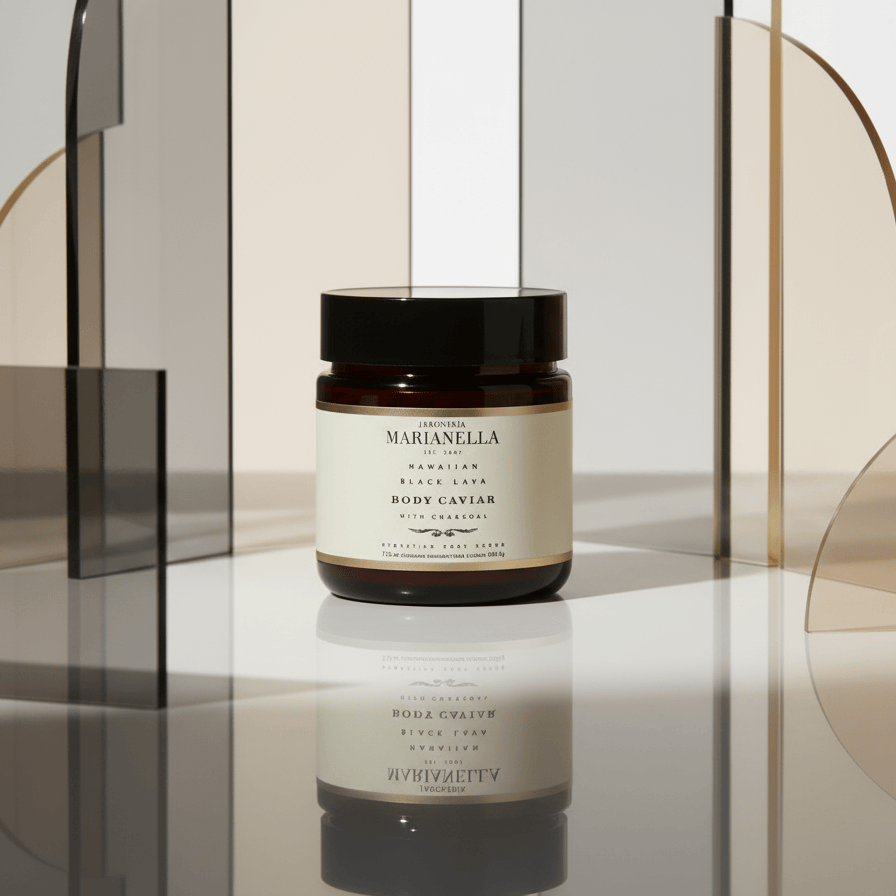
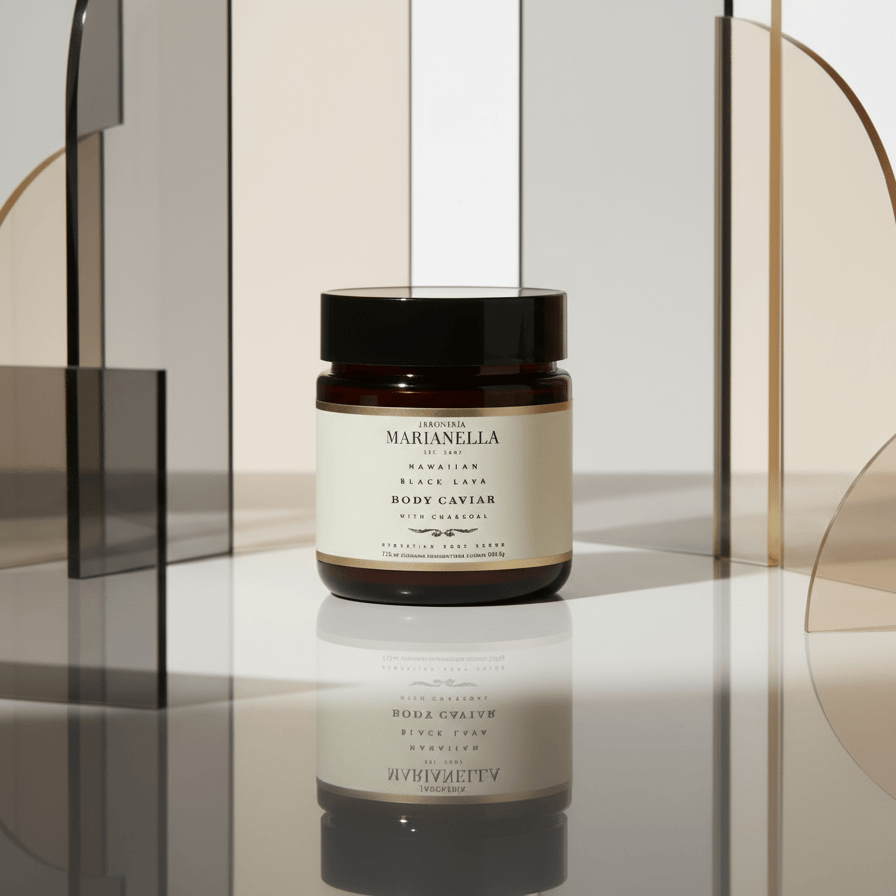
Rosemary extract appears in the lineup as a functional antioxidant and skin-conditioning ingredient. One product that reflects this approach is the Hawaiian Black Lava Body Caviar Body Scrub with Charcoal ($29). This small-batch formulation pairs physical exfoliation with botanical actives in a format that addresses both surface texture and deeper skin health. The scrub is handcrafted in Brooklyn, consistent with Marianella's production model across all 82 SKUs.
The brand's formulation philosophy has drawn consistent attention from editors and experts. Marianella has been featured in Vogue, Forbes, Oprah, and Allure, and received People Magazine's Star Beauty Award. The line is now available at Bloomingdale's BEAUTYSPACE, placing it alongside the most respected names in prestige skincare.
Why Botanical Actives Belong in Body Care
Body care is often treated as a category where ingredient quality matters less than it does for the face. That logic does not hold up. The skin on the torso, arms, and legs is subject to the same oxidative stress, glycation, and barrier compromise as facial skin. It simply gets less attention.
A study showed improved skin elasticity, barrier function, and reduction in wrinkles and black spots after long-term supplementation with rosemary extract in women living in a polluted urban area. The environmental stress referenced there, urban pollution combined with UV exposure, affects the full body surface. Formulating body care with evidence-based botanicals like rosemary extract is a coherent extension of any rigorous skincare approach.
Three generations of Venezuelan botanical tradition inform how Marianella selects and combines plant actives. That heritage is not decorative. It represents accumulated knowledge about which plants perform at a therapeutic level and which are merely aromatic. Rosemary extract is squarely in the former category, a fact that modern dermatology is now confirming in controlled trials.
How to Use Rosemary Extract in Your Skincare Routine in 2026
Rosemary extract appears in a range of product formats, from serums and creams to body scrubs and treatment oils. For body applications, a scrub format delivers dual benefit: physical exfoliation clears the surface while botanical actives like rosemary extract work at the barrier and below.
The best rosemary extract products in 2026 are those where the ingredient is present at a functional concentration, not simply listed for label appeal. Look for formulations from brands with transparent sourcing and a demonstrated track record with botanical actives. Marianella's 18 years of small-batch formulation work in Brooklyn, and its consistent coverage in the most discerning beauty press, reflect exactly that standard.
Explore the Hawaiian Black Lava Body Caviar Body Scrub with Charcoal and the broader Marianella collection to see how botanical actives perform when formulated with purpose.
```

Dejar un comentario
Este sitio está protegido por hCaptcha y se aplican la Política de privacidad de hCaptcha y los Términos del servicio.