

Aloe vera skincare benefits are not marketing language. They are documented, measurable, and increasingly well understood at the molecular level. The gel inside the leaves of Aloe barbadensis Miller contains a concentrated profile of polysaccharides, sterols, vitamins, and amino acids that work on the skin in ways modern cosmetic science continues to map. In 2026, it remains one of the most studied botanical actives in dermatology, and one of the most relevant. At Marianella, it is also one of the most considered.
What Is Aloe Vera, Exactly
Aloe vera, or Aloe barbadensis, is a thick, short-stemmed plant that stores water in its leaves. The leaves can be separated into two basic products: the latex, a bitter yellow liquid beneath the epidermis of the leaf, and the gel, a colorless and tasteless substance in the inner part of the leaf. It is the gel that cosmetic science works with.
Aloe gel is composed of 96% water, with the remaining 4% being dry matter that includes dietary fiber, ash, protein, fat, and ascorbic acid. That 4% dry matter is where the activity lives. Aloe vera contains a large quantity of organic compounds including polysaccharides, enzymes, salicylic acid, tannins, fatty acids, vitamins, lectins, flavonoids, and minerals. The combination of these compounds creates a multi-mechanism botanical with genuine clinical support.
The Science Behind Aloe Vera for Skin
Acemannan: The Key Polysaccharide
The most studied molecule in aloe vera is acemannan. Acemannan is considered to be a natural polysaccharide with good biodegradability and biocompatibility extracted from Aloe vera, and has a wide range of applications in the biomedical field due to excellent immunomodulatory, antiviral, antitumor, and tissue regeneration effects.

|
$84 |

|
$50 |

|
$32 |

|
$29 |
Acemannan, predominantly found in the inner leaf gel of Aloe vera, is considered to be the most well-characterized polysaccharide isolated from this species. It has been identified as the main active ingredient exhibiting various biological activities. Acemannan is a mixture of β-1,4-linked acetylated mannan polymers of varying chain lengths, with a molecular weight in fresh aloe gel typically as high as 2,000 kDa.
For skin specifically, hemicellulose fibers and glucomannan present in the aloe vera gel help enhance cell proliferation, resulting in effective wound healing. Mucopolysaccharides have water retention capabilities and help keep skin moisturized. This is the structural basis for aloe vera's reputation as a hydration ingredient. It is not superficial moisture. It works at the cellular level.
Anti-Inflammatory and Antioxidant Action
Aloe vera is a medicinal plant with antioxidant and antibacterial properties. Basic studies have found that aloe vera has cosmetic effects such as whitening, sun protection, antioxidant, anti-aging, and moisturizing.
Traditionally recognized for its anti-inflammatory and antimicrobial effects, which are very important in wound healing, the aloe vera relies on its polysaccharides, which confer immunomodulatory, antioxidant, and tissue-regenerative properties. For daily skincare, this translates directly to calmer, more resilient skin, particularly for skin dealing with environmental stress, sensitization, or post-sun exposure.
A 2025 study published in the International Journal of Nanomedicine examined aloe vera's mechanism against photoaging at the molecular level. In both in vivo and in vitro models, aloe vera-derived nanoparticles demonstrated excellent biocompatibility and the ability to delay skin photoaging. These effects are mediated through the activation of the Nrf2/ARE pathway to combat oxidative stress. That pathway is one of the body's primary cellular defense systems against oxidative damage.
Aloe Vera and Collagen: What the Research Actually Shows
The collagen conversation around aloe vera is more nuanced than most brands let on. The topical story is strong. Research has demonstrated that aloe gel significantly improves wrinkles and elasticity in photoaged human skin, with an increase in collagen production in the photoprotected skin and a decrease in the collagen-degrading MMP-1 gene expression.
Aloe vera extract has been reported to enhance skin elasticity and reduce facial wrinkles by suppressing collagen degradation via downregulation of matrix metalloproteinase-1 (MMP-1) expression. MMP-1 is the enzyme that breaks down existing collagen. Slowing that degradation is as valuable as stimulating new production.
The sterol component of aloe is particularly relevant here. Daily oral intake of 40 μg Aloe sterol was shown in a double-blind clinical trial to significantly increase skin barrier function, moisture and elasticity. Ultrasonographic results also suggested that the intake of Aloe sterol increases collagen content in the dermis. Separately, human dermal fibroblasts produced 2-fold levels of collagen and 1.5-fold levels of hyaluronic acid after cultivation in the presence of Aloe sterol in vitro.
It is worth being precise: while preclinical data suggest Aloe vera sterols may stimulate collagen synthesis, clinical evidence from oral supplementation studies remains inconclusive. Topical and formulated applications, where aloe works in direct contact with skin structures, represent a different and better-supported delivery mechanism for cosmetic purposes.
Hydration, Barrier Function, and Skin Moisture
Mucous aloe vera gel easily penetrates the skin and prevented moisture loss and enhanced skin moisture. Aloe vera is also rich in hyaluronic acid, which is an excellent moisturizing ingredient filled in the dermis and serves as a water source for the entire moisturizing system.
A 2025 study published in MDPI Life tested aloe vera phytoplacenta extract at a 2% concentration on skin cells and found that it demonstrated remarkable biological effects, increasing AQP3 protein expression by 120% and healing area fourfold, while simultaneously reducing COX-2 mRNA by 43% and iNOS mRNA by 48%. An aloe-containing product notably reduced facial skin temperature to 24.9°C compared to 32.3°C for the control product. AQP3, aquaporin-3, is the protein channel responsible for water transport across skin cells. A 120% increase in its expression is a meaningful hydration signal.
Brightening and Even Skin Tone
Melanin is produced by oxidation of L-tyrosine through a series of enzymatic reactions. The principle of whitening is to control the key enzymes required at various stages of melanin synthesis, reduce the generation of melanin, and inhibit its transfer and redistribution. Aloe vera showed the highest content of flavonoid and antioxidant capacity among multiple aloe species analyzed, which suggested it would be more likely to be developed in whitening skincare products in the future. That research is now here.
Aloe Vera Skincare Benefits in Practice: What Skin Types Benefit Most
Aloe vera's profile makes it broadly compatible, but some skin types see especially clear results.
Sensitive and Reactive Skin
The anti-inflammatory compounds in aloe, including the polysaccharide-driven immunomodulatory activity, make it one of the most effective calming agents in botanical skincare. The bioactive compounds of Aloe vera, including polysaccharides and vitamins, synergistically hydrate, reduce inflammation, and facilitate wound healing. These characteristics contribute to its usefulness against conditions including acne, eczema, psoriasis, and aging skin.
Aging and Mature Skin
The MMP-1 suppression mechanism and collagen stimulation pathway make aloe vera a substantive anti-aging ingredient, not a filler. Aloe vera contains good amounts of vitamins A, C, and E, which act as strong antioxidants in combating free radicals to protect the skin from oxidative stress and the impact of early aging. Regular application of aloe vera-infused products also enhances the elasticity of skin, reduces wrinkles, and gives it a more refined texture.
Acne-Prone Skin
The hyperproliferation of Propionibacterium acnes causes acne, and acemannan plays a significant role in its cure. Aloe vera inhibits the growth of different types of bacteria, with the most studied being Staphylococcus aureus and Pseudomonas aeruginosa. For acne-prone skin, this antimicrobial action, combined with a lightweight, non-comedogenic texture, makes aloe vera a logical base ingredient.
Venezuelan Botanical Heritage Meets Brooklyn Formulation
Marianella has been handcrafting in Brooklyn since 2007. Eighteen years of small-batch formulation. The brand draws on three generations of Venezuelan botanical knowledge, a tradition that understood aloe vera as a functional plant long before clinical studies gave it nomenclature. That generational familiarity with how plants behave in formulation, at what concentrations they deliver results, how they interact with other actives, is what distinguishes Marianella's approach from brands simply listing aloe vera as a secondary ingredient for texture.
The brand has been recognized by People Magazine's Star Beauty Award, covered in Vogue, Forbes, Oprah, and Allure, and is now available at Bloomingdale's BEAUTYSPACE. Across 82 products, the formulation philosophy is consistent: every ingredient earns its place.
Best Aloe Vera Products 2026: Marianella's Formulations
The following four Marianella products feature aloe vera as a foundational ingredient, each targeting a distinct skin concern.
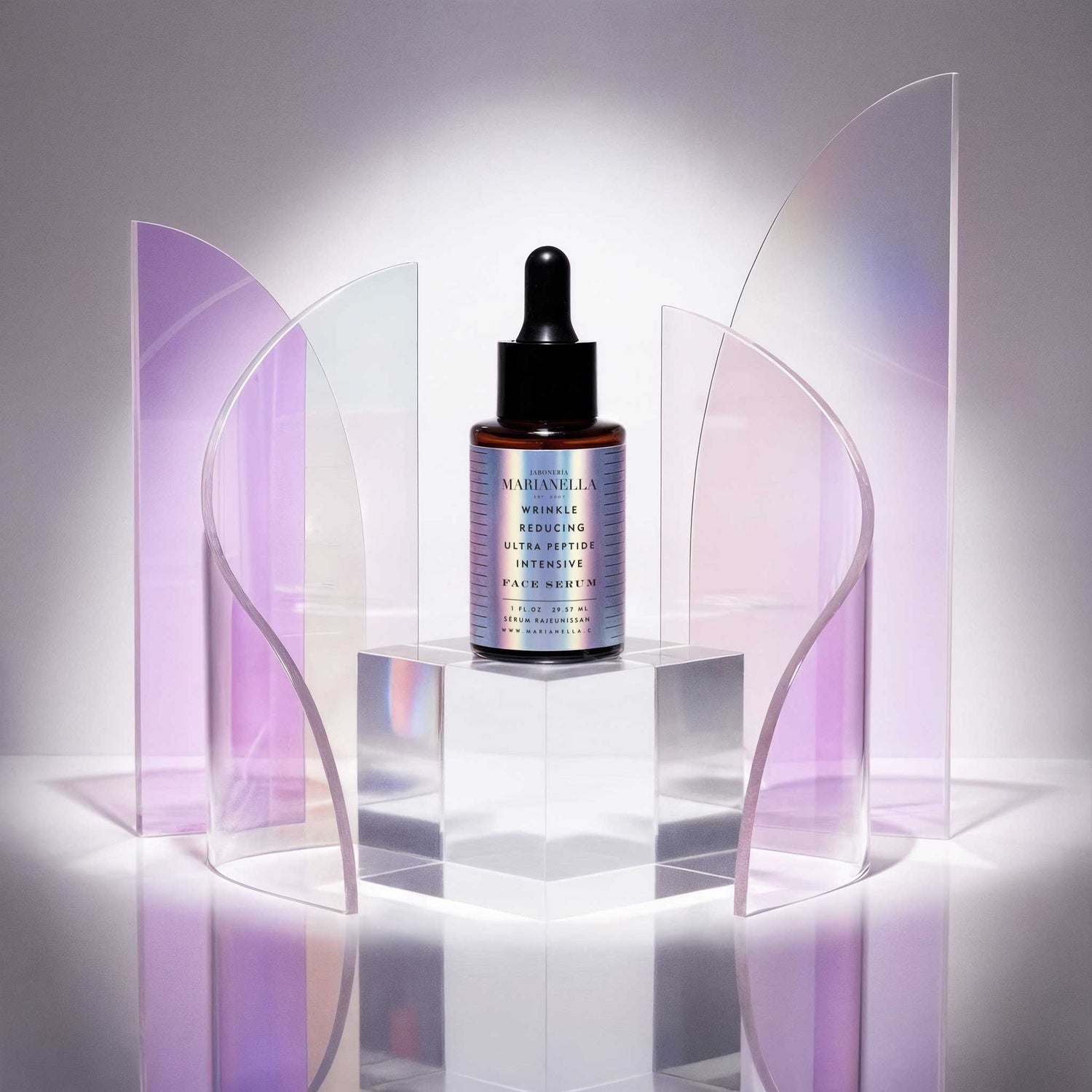
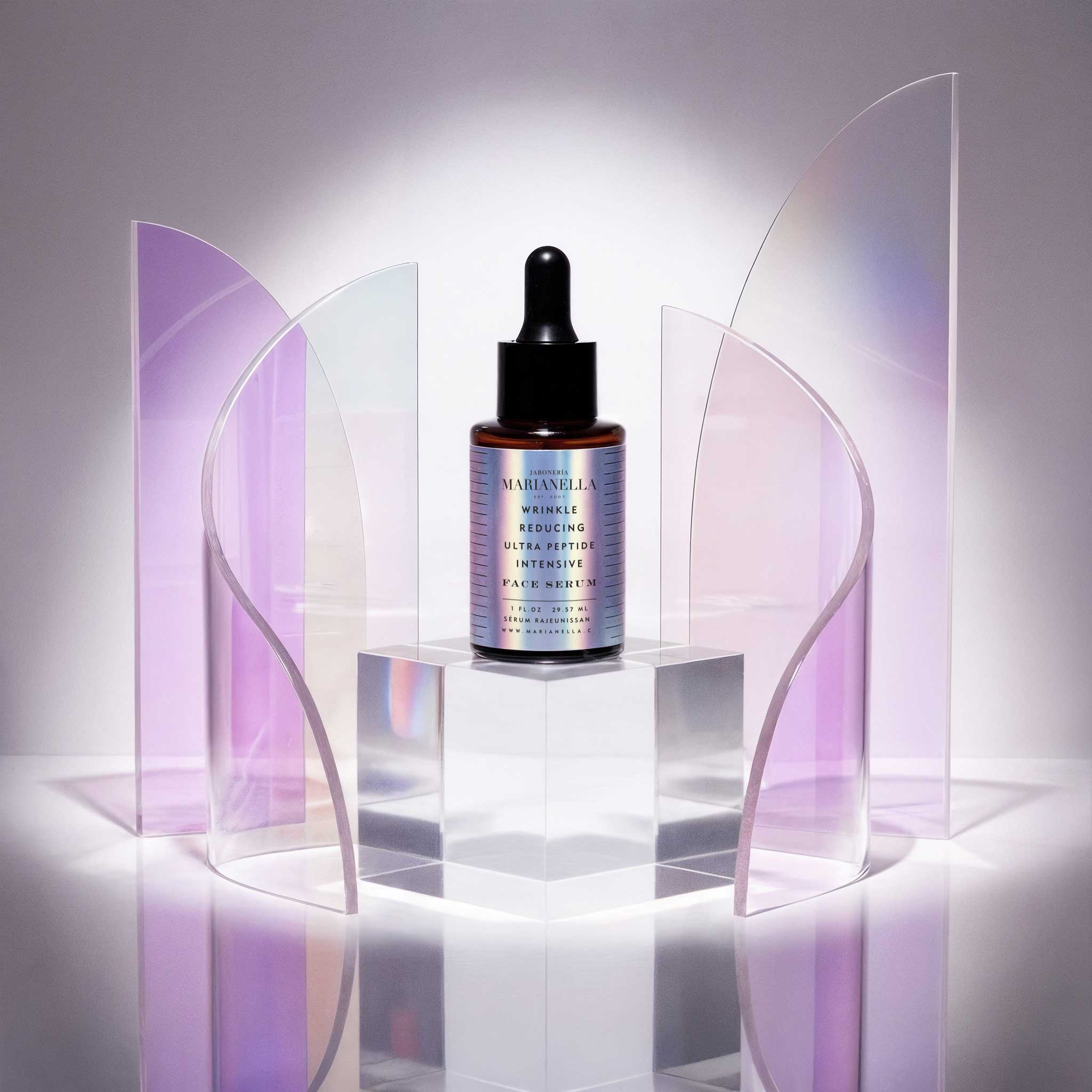
Wrinkle Reducing Ultra Peptide Intensive Face Serum
This is the brand's most advanced anti-aging serum. Aloe vera provides the hydrating, barrier-supporting base through which a concentrated peptide complex is delivered. For skin where collagen degradation is a primary concern, the combination of acemannan-driven moisture retention and peptide signaling addresses the problem from two directions at once. $84.
Vitamin C Collagen Boosting Face Serum with Niacinamide
Aloe vera's documented ability to suppress MMP-1 and support type I procollagen expression makes it a logical pairing with vitamin C, which independently stimulates collagen synthesis through a separate pathway. Niacinamide addresses barrier integrity and evenness. Three ingredients, three complementary mechanisms. $50.
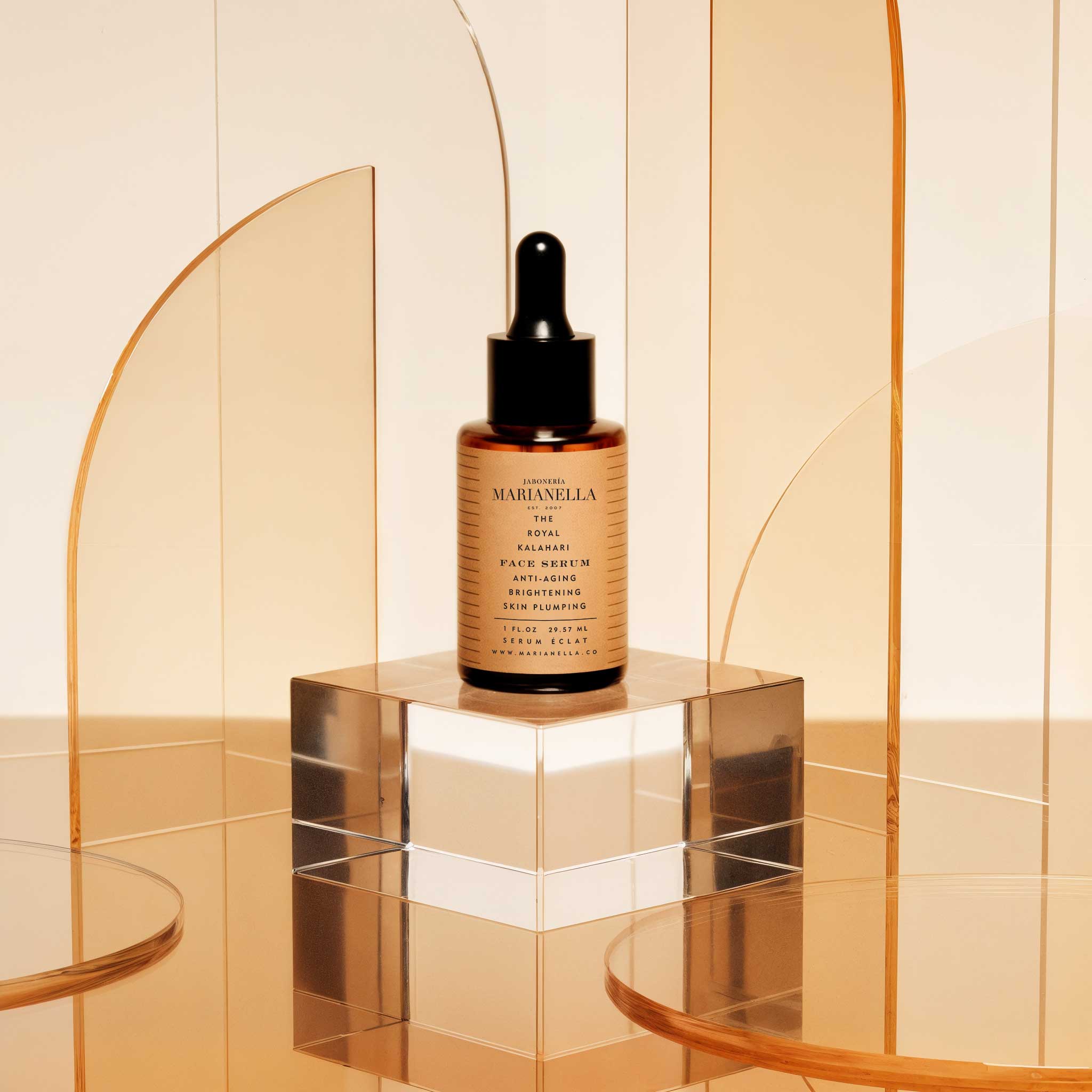
The Royal Kalahari Under Eye and Lip Serum Roller Oil
The under-eye area is thin, prone to dehydration, and among the first places where fine lines become visible. Aloe vera's AQP3-activating properties and its light, non-occlusive texture make it well suited to this zone. The roller application delivers targeted delivery without drag or pulling. $32.
Detox Gel now with Kalahari Melon Seed Oil
A gel format built to address congestion, pore clarity, and daily environmental accumulation. Aloe vera's antibacterial and anti-inflammatory properties make it structurally appropriate for a detoxifying product. The addition of Kalahari Melon Seed Oil brings a lipid-rich complement to the water-dominant aloe base. $29.
How to Use Aloe Vera Skincare Effectively
Aloe vera is pH-compatible with most actives, making it versatile in layering protocols. A few practical considerations for 2026 formulation awareness:
- Apply on damp skin. Aloe vera's polysaccharides are hygroscopic. They draw moisture in. Applying to damp skin amplifies that effect.
- Layer before heavier occlusives. Aloe vera is a humectant, not an occlusive. It works best when sealed in by a barrier ingredient, a facial oil or a cream applied after.
- Consistency matters. The MMP-1 suppression and collagen support pathways operate over time. Daily, sustained use is how aloe vera delivers cumulative structural benefit.
- Sensitive skin can use it morning and evening. The anti-inflammatory profile makes it one of the few actives that rarely creates a sensitization concern across skin types.
The Ingredient That Has Always Been Ahead
Aloe vera is not trending. It never stopped being relevant. What has changed is the precision with which science can now describe what it does: the AQP3 upregulation, the MMP-1 suppression, the acemannan immunomodulation, the fibroblast stimulation. The plant has always done these things. The research is catching up.
At Marianella, botanical formulation is not aesthetic. It is the methodology. Eighteen years of working with plants like aloe vera, understanding their behavior across seasons, concentrations, and formulation contexts, is what the brand brings to every product. Venezuelan heritage, Brooklyn craft, and a precise understanding of what the science says.
Explore the full aloe vera-powered line at marianella.co, and find select products at Bloomingdale's BEAUTYSPACE.
```

Dejar un comentario
Este sitio está protegido por hCaptcha y se aplican la Política de privacidad de hCaptcha y los Términos del servicio.