

Aloe Vera Beauty Benefits: What the Research Actually Shows
Aloe vera is a succulent plant ingredient that hydrates, calms, and supports the skin's own repair processes, making it one of the most studied botanicals in modern skincare formulation. Aloe vera gel is about 98.5% water by weight, and more than 60% of the total solid is made up of polysaccharides of carbohydrate origin. That composition is precisely why the plant behaves the way it does on skin: it delivers water and binds it there, rather than simply sitting on the surface. In 2026, aloe vera beauty benefits remain grounded in decades of clinical and laboratory research, not trend cycles, which is part of why the ingredient still earns a place in serious formulation rather than fading with the next micro-trend.
For a brand built on small batches and clean ingredient lists, aloe vera is a natural fit. Marianella has been handcrafting in Brooklyn since 2007, and nineteen years of formulation expertise means ingredients like aloe vera are chosen for what they do, not for what they signal. The plant shows up quietly, in gels and rollers, doing its work without needing an anniversary to justify its presence.
What Is Aloe Vera
Aloe vera is a succulent plant in the Liliaceae family, cultivated for centuries for both medicinal and cosmetic use, with the active benefits concentrated in the inner leaf gel and the outer leaf exudate. Aloe vera has been widely used for medicines and cosmetics, and its chemical constituents differ between the inner, colorless leaf gel and the exudate produced by the bundle sheath cells on the outer margin of the leaf, with active ingredients including polysaccharides, glycoproteins, phenolics, and water. Two compounds in particular are considered central to its performance. The pulp extract is rich in polysaccharides, including glucomannans, acemannans, pectic compounds, cellulose, and hemicelluloses, and acemannan and glucomannan are considered the two main components responsible for most of the plant's therapeutical properties. This is not a new discovery. Evidence of aloe's use as a medicinal remedy can be traced to the Egyptians of 400 BC. Nearly 2,500 years of continuous use, followed by modern lab confirmation, is a rare combination in the ingredient world.
Aloe Vera Benefits for Skin
Hydration That Behaves Like the Skin's Own Chemistry
The hydration argument for aloe vera is not just about water content, it is about how that water is held. Aloe is naturally rich in polysaccharides, which are potent hydrating agents that mimic the skin's natural carbohydrates, allowing superior humectant benefits that bind to the skin more strongly and longer than comparable ingredients. That binding mechanism is what separates aloe from a simple splash of water. It is also why aloe-forward formulas tend to feel immediately cooling and comfortable, especially on skin that runs warm, reactive, or dehydrated. For a face and body routine built around eco-luxury rather than heavy occlusion, that kind of lightweight, biomimetic hydration is worth formulating around.

|
$34 |

|
$37 |
Polysaccharides, Repair, and the Case for Wound Healing Ingredients
The clinical literature on aloe vera and skin repair is substantial. Aloe vera, used for generations to treat burns and dry skin, is now clinically shown to accelerate wound healing by up to 29% and promote fibroblast proliferation, angiogenesis, and collagen synthesis. Fibroblast activity matters because fibroblasts are the cells responsible for producing collagen and elastin, the proteins that keep skin structured. One widely cited study found that aloe stimulates fibroblasts, which produce the collagen and elastin fibers, making the skin more elastic and less wrinkled. Separately, the polysaccharides in aloe have anti-inflammatory activity and accelerate wound healing and promote skin regeneration, which is why they are utilized in healing products. Together, these findings explain why aloe is formulated into products meant to soothe compromised or stressed skin barriers, not just products chasing a trend headline.
Topical Aloe Versus Oral Aloe: A Necessary Distinction
Not all aloe vera research points the same direction, and that nuance matters for anyone comparing products. A 2025 systematic review and meta-analysis of oral aloe vera supplements found that compared with placebo, aloe vera supplements had little to no effect on skin hydration after 4 weeks, 8 weeks, or 12 weeks, and TEWL, elasticity, and collagen scores did not differ significantly from placebo either. That finding applies to swallowing aloe in capsule form, not to applying it topically. The wound healing, fibroblast, and hydration data cited above come from topical and clinical wound studies, which is the relevant category for a gel, serum, or roller applied directly to skin. It is a useful reminder that ingredient science is specific to delivery method, and formulations built for topical application are working with a different body of evidence than a supplement aisle.
Best Aloe Vera Products 2026: Where the Ingredient Shows Up at Marianella
Marianella is the only Venezuelan-founded, independent, luxury skincare and home fragrance brand in the United States, handcrafting small-batch formulas in Brooklyn across Face, Body, Hand, Home, and Fragrance. Two products in the Royal Kalahari line lean on aloe vera's calming, hydrating profile alongside the brand's signature Kalahari melon seed oil.
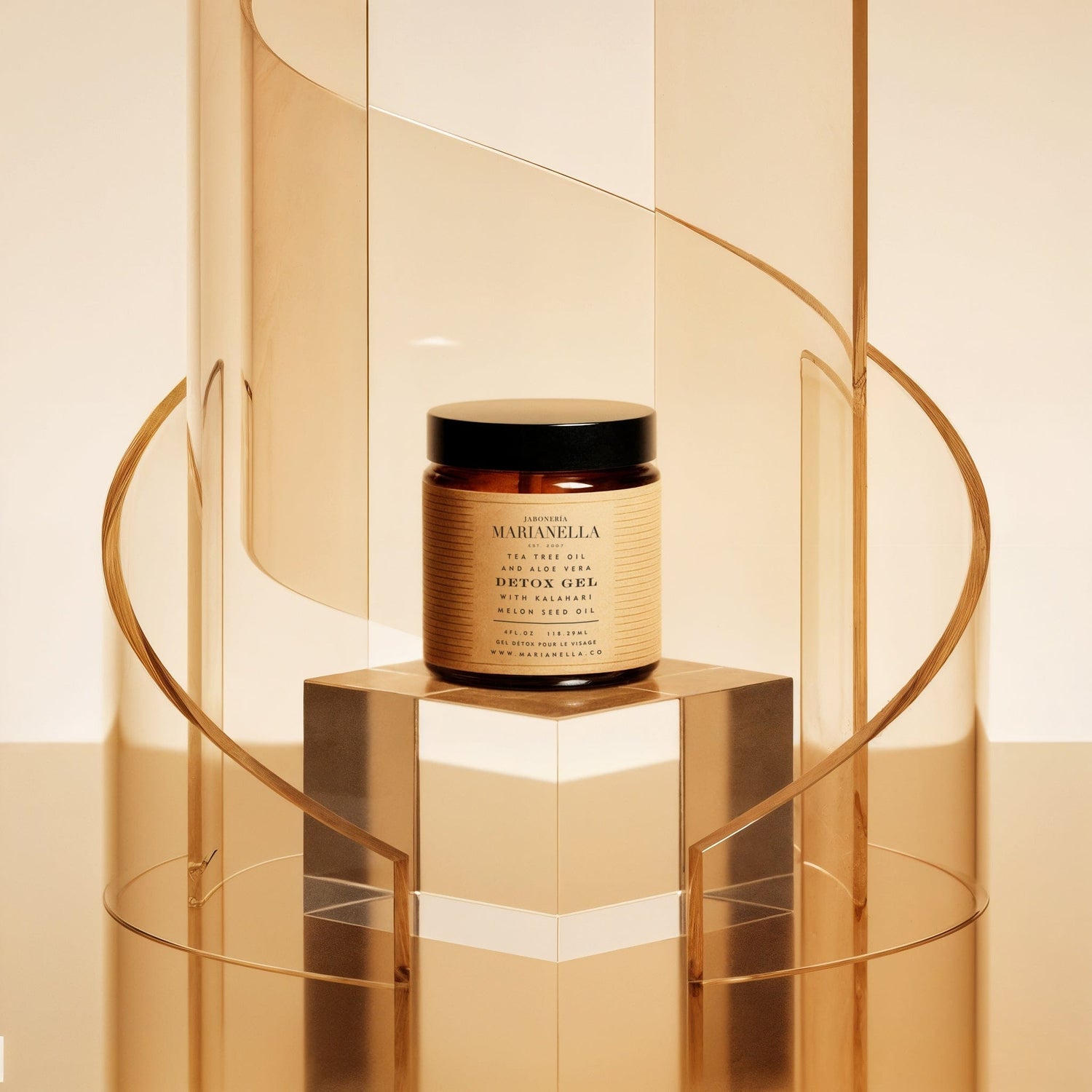
Royal Kalahari Detox Gel, $34
The Royal Kalahari Detox Gel is now formulated with Kalahari Melon Seed Oil, paired with aloe's water-binding, skin-calming base to create a gel texture that reads light rather than heavy. It is built for someone who wants a daily gel step that hydrates without sitting on the skin like a mask. The gel format itself takes advantage of aloe's natural consistency, which has made it a base ingredient in skincare formulation for generations.
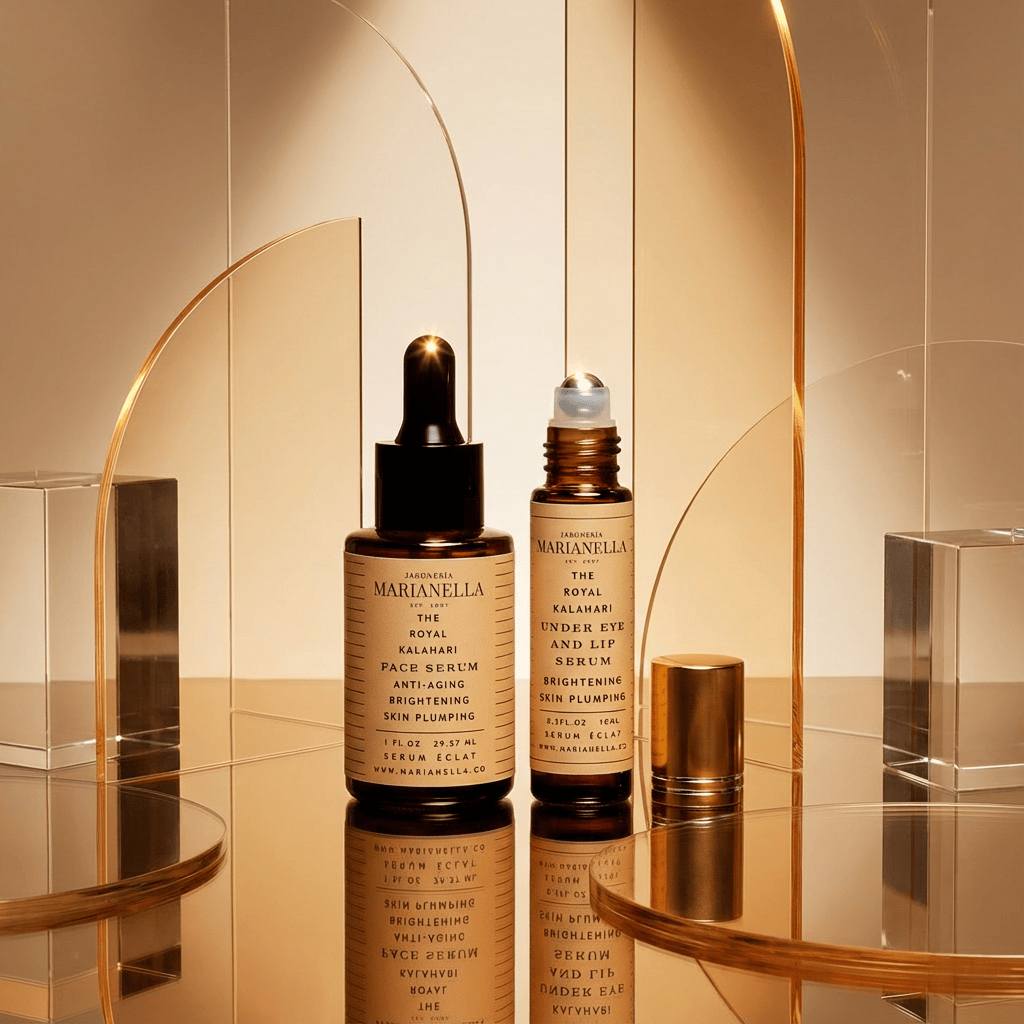
Royal Kalahari Under Eye and Lip Serum Roller Oil, $37
The Royal Kalahari Under Eye and Lip Serum Roller Oil targets two of the thinnest, most reactive areas of skin, the eye contour and the lip line, where a cooling, fast-absorbing formula matters more than a rich cream ever could. The rollerball delivery is deliberate, allowing repeated, controlled application without overloading delicate skin. This is the kind of product where an ingredient like aloe earns its place through function, not marketing language.
How to Choose an Aloe Vera Product in 2026
The aloe vera market is crowded, and not every gel labeled "aloe" is formulated with the plant's active polysaccharide content intact. Position on an ingredient list matters, as does whether a brand discloses formulation intent rather than just slapping a leaf icon on the label. A brand that has been small-batch handcrafting since 2007, like Marianella, is formulating with a specific point of view: eco-luxury, clean ingredient sourcing, and no shortcuts, which shows up in how ingredients like aloe are paired rather than diluted. Retail placement is another signal worth considering. Marianella is carried at Bloomingdale's BEAUTYSPACE and has been recognized by Vogue, Forbes, Allure, and Oprah's Favorite Things, among others, which reflects a level of industry scrutiny that mass-market aloe gels rarely face.
The Marianella Approach to Botanical Formulation
Marianella's story begins in Caracas, where small-batch, handcrafted beauty was simply how things were made, long before it became a marketing category. When the family rebuilt that world in Brooklyn, the same principles carried over: small batches, clean ingredients, no shortcuts. Aloe vera fits naturally into that heritage, since it is an ingredient that rewards patience and correct formulation rather than aggressive marketing claims. The brand's 82 SKUs across Face, Body, Hand, Home, and Fragrance, priced between $40 and $160, reflect a philosophy where each product is formulated with intention rather than trend-chasing, and aloe vera's long clinical track record fits that standard.
Consider the Royal Kalahari Detox Gel or the Under Eye and Lip Serum Roller Oil for a daily, aloe-supported step built for hydration and skin comfort.
FAQ
What are the main aloe vera benefits for skin?
Aloe vera hydrates through polysaccharides that bind water to the skin, supports repair by stimulating fibroblasts that produce collagen and elastin, and carries anti-inflammatory properties. Clinical research shows it can accelerate wound healing by up to 29% while promoting fibroblast proliferation, angiogenesis, and collagen synthesis. It is most effective when applied topically rather than taken as an oral supplement.
Is aloe vera good for sensitive or reactive skin?
Yes, aloe vera is widely used in formulations for reactive skin because of its documented anti-inflammatory and skin-calming activity. Its polysaccharides have anti-inflammatory activity and accelerate wound healing and skin regeneration, which is why it appears frequently in soothing gels and post-treatment formulas rather than only in preventative skincare.
What is the difference between topical and oral aloe vera for skin?
Topical aloe vera has strong clinical support for hydration, repair, and fibroblast activity when applied directly to skin. Oral aloe vera supplements tell a different story. A 2025 meta-analysis found aloe vera supplements had little to no effect on skin hydration after 4, 8, or 12 weeks compared with placebo. For visible skin benefits, topical application remains the better-supported route.
What makes aloe vera gel different from a regular moisturizer?
Aloe vera's water content is exceptionally high, and aloe vera gel is about 98.5% water by weight, but the remaining solid is dense with functional compounds. More than 60% of that solid is made up of polysaccharides, which behave differently from typical moisturizer bases by binding water directly to the skin's surface rather than forming a heavier occlusive layer.
Are Marianella's aloe vera products handcrafted?
Yes. Marianella has handcrafted small-batch formulas in Brooklyn since 2007, and the Royal Kalahari Detox Gel and Under Eye and Lip Serum Roller Oil are part of that same small-batch process, combining aloe's hydrating base with Kalahari melon seed oil for a formula built on clean ingredients rather than shortcuts.

Dejar un comentario
Este sitio está protegido por hCaptcha y se aplican la Política de privacidad de hCaptcha y los Términos del servicio.