

Coconut oil skincare benefits are backed by decades of botanical tradition and a growing body of peer-reviewed science. As a topical ingredient, it moisturizes, supports the skin barrier, and delivers measurable antimicrobial and anti-inflammatory activity. At Marianella, that science meets 18 years of small-batch formulation expertise and three generations of Venezuelan botanical knowledge, handcrafted in Brooklyn since 2007.
What Is Coconut Oil in Skincare?
Coconut oil, derived from the meat of mature Cocos nucifera fruit, is one of the most comprehensively studied plant-based cosmetic oils in contemporary dermatology. It is a highly saturated oil traditionally made by extracting oil from raw coconuts or dried coconut kernels. In its virgin, cold-pressed form, it retains the full spectrum of its naturally occurring fatty acids, phenolic antioxidants, and fat-soluble vitamins. It is this unrefined fraction, known as virgin coconut oil (VCO), that drives the ingredient's most significant skin-care activity.
VCO consists of over 99% triglycerides and contains a significant amount of medium-chain fatty acids. The fatty acid present in the highest concentrations, averaging 46 to 48%, is lauric acid (C12:0), followed by myristic acid (C14:0) at approximately 17%. That fatty acid profile is the foundation of everything coconut oil does on skin.
The Science Behind Coconut Oil Skincare Benefits
Deep Barrier Hydration
About 65% of coconut oil's composition is medium-chain fatty acids. Certain medium-chain fatty acids, particularly lauric acid and linoleic acid, are the primary drivers of its benefit to skin. Lauric acid's medium-chain structure allows it to penetrate skin and hair, providing deep hydration without greasiness. In coconut oil, it works alongside other fatty acids to form a protective barrier, locking in moisture.

|
$25 |

|
$50 |

|
$34 |
Coconut oil can help decrease transepidermal water loss (TWL), which is when water passively evaporates from your skin. Sustained transepidermal water loss is a primary driver of chronic dryness and accelerated visible aging. Slowing that process is foundational to any serious moisturization strategy.
The numbers from clinical observation are striking. A moisturizing lotion combined with VCO-infused solid lipid particles increased skin hydration and elasticity by 24.8% and 2.60% respectively from day 0 to day 28. A separate study showed a 100.36% improvement in skin moisture content after two weeks of VCO application, and 148.89% improvement after four weeks compared with baseline.
Barrier Protein Support and Skin Integrity
Coconut oil does more than sit on top of the skin. Research on its interaction with keratinocytes, the cells that form the skin's outermost layer, reveals activity at the structural level. Involucrin and filaggrin content increased by 47.53% and 40.45% respectively in keratinocyte cells treated with VCO. VCO also increased the expression of Aquaporin-3, a channel protein responsible for skin hydration. Filaggrin is the protein most associated with barrier integrity. Its deficiency is a well-documented feature of eczema-prone and environmentally stressed skin.
Anti-Inflammatory Activity
The anti-inflammatory data on VCO is clinically meaningful. In laboratory studies on human monocyte cells, VCO inhibited TNF-α by 62.34%, IFN-γ by 42.66%, IL-6 by 52.07%, IL-8 by 53.98%, and IL-5 by 51.57%. These are the same inflammatory cytokines implicated in redness, sensitivity, and barrier compromise in everyday skin stress.
The clinical translation of that activity is also documented. In a randomized trial of 117 patients with atopic dermatitis, the mean SCORAD severity score decreased by 68.23% in the VCO group, compared to only 38.13% in the mineral oil group at 8 weeks (P < 0.001). That is a nearly 30-point differential over standard-of-care mineral oil, in less than two months of topical use.
Antimicrobial Properties
Lauric acid and its derivative monolaurin have demonstrably significant antimicrobial activity against gram-positive bacteria and a number of fungi and viruses. In the body, lauric acid in coconut oil is converted into monolaurin, a compound with potent antibacterial, antiviral, and antifungal properties effective against pathogens like Staphylococcus aureus and Candida albicans.
Lauric acid, which accounts for nearly half of the fatty acids in coconut oil, has been shown to kill the strain of bacteria linked to acne. In fact, test-tube and animal studies have shown that lauric acid is more effective than benzoyl peroxide at preventing the growth of acne-causing bacteria. That finding sits in the peer-reviewed literature, not on a wellness blog.
Antioxidant Capacity
Virgin coconut oil contains high levels of ferulic acid and p-coumaric acid, both phenolic acids associated with antioxidant capacity. The antioxidant properties of VCO are substantiated through both the DPPH assay and the FRAP assay, revealing significant dose-dependent inhibition of free radicals. In a formulation context, those antioxidants also contribute to the ingredient's stability, as lauric acid's saturation contributes to coconut oil's resistance to oxidation, ensuring long shelf life in products without rancidity.
Coconut Oil for Skin: What Skin Types Benefit Most
The science is strongest for dry, sensitive, barrier-compromised, and mature skin types. In vitro skin irritation studies using reconstructed human epidermis confirmed that VCO is a non-skin irritant and non-phototoxic. That safety profile makes it suitable for inclusion in cleansers, night treatments, and physical exfoliants where prolonged skin contact is expected.
For oily and acne-prone skin, the picture is more nuanced. Coconut oil rates relatively high on the comedogenicity scale, meaning it is better suited in formulations where it is balanced with other ingredients than applied as a standalone facial oil on congestion-prone skin. In a wash-off cleanser or an exfoliating body scrub, however, these concerns are largely mitigated by contact time and formulation design.
Three Generations of Botanical Tradition, Formulated in Brooklyn
Marianella was founded in Brooklyn in 2007, carrying three generations of Venezuelan botanical beauty knowledge into every product. The brand's Venezuelan heritage, where tropical botanicals including coconut have been used in beauty traditions for generations, informs how its formulations are built. Eighteen years of small-batch expertise means coconut oil is not simply listed on a label. It is selected, sourced, and formulated with precision.
That approach has earned coverage in Vogue, Forbes, Oprah, and Allure, and recognition from People Magazine with its Star Beauty Award. In 2026, Marianella is now available at Bloomingdale's BEAUTYSPACE, bringing its 82-product lineup, priced from $12 to $160, to one of the most discerning retail environments in American beauty.
Best Coconut Oil Products 2026: Marianella Formulations Worth Knowing
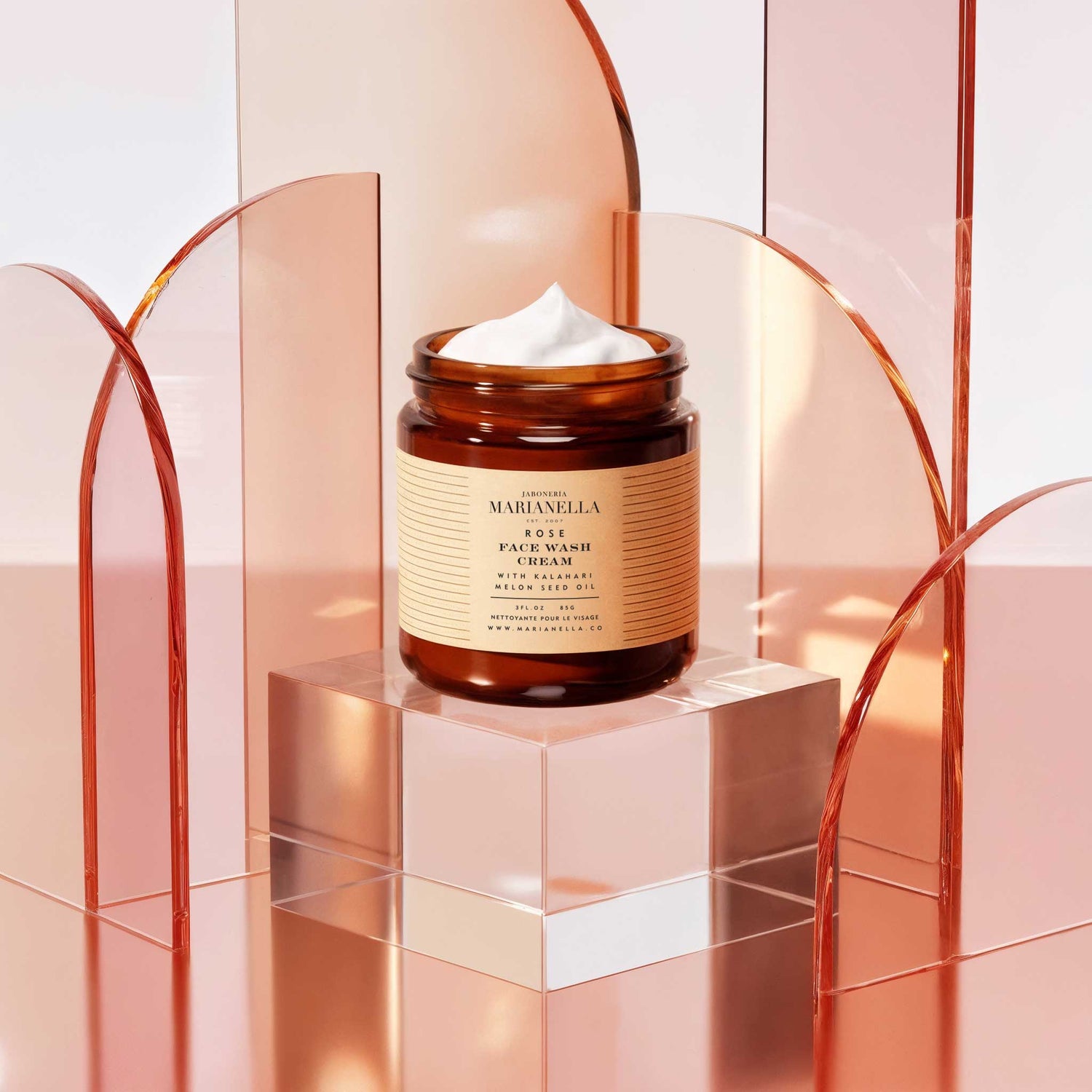
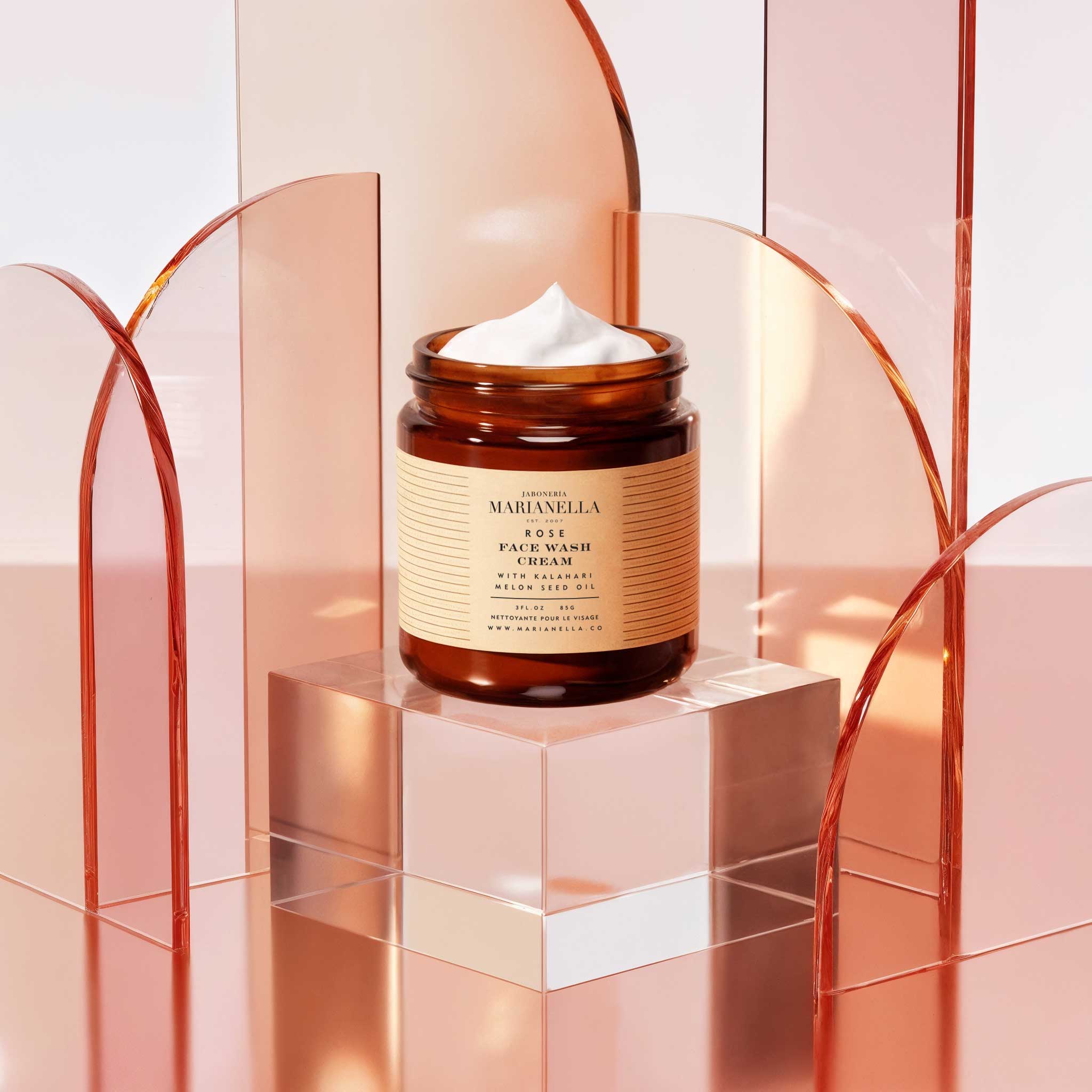
Rose Face Wash Cream
Coconut oil in a cleanser is a precision decision. Here, it contributes emollient slip and antimicrobial activity to a wash-off formula, leaving skin clean without the stripped feeling that most surfactant-based cleansers produce. The result is a creamy lather that respects the skin barrier rather than compromising it. This is the kind of formulation that comes from 18 years of understanding how an ingredient behaves in different delivery systems, not from following a trend.
Rose Face Wash Cream. $25.
The Midnight Youth Potion
Nighttime is when the skin shifts from environmental defense to active repair. An overnight treatment built around the barrier-supporting, filaggrin-enhancing, and antioxidant-rich properties of coconut oil works with that biological rhythm rather than against it. The Midnight Youth Potion is Marianella's answer to the overnight repair category: dense, purposeful, formulated with the botanical intelligence that defines the brand.
The Midnight Youth Potion. $50.
Hawaiian Black Lava Body Caviar Body Scrub with Charcoal
Physical exfoliation without a lipid carrier strips as much as it refines. Coconut oil in a body scrub serves a dual purpose: it lubricates the mechanical exfoliation process, reducing friction-induced irritation, and it deposits a thin emollient film on freshly exfoliated skin when rinsed. The Hawaiian Black Lava Body Caviar pairs that function with activated charcoal for a body treatment that addresses texture, moisture, and surface clarity in a single step.
Hawaiian Black Lava Body Caviar Body Scrub with Charcoal. $34.
How to Use Coconut Oil Skincare Products Effectively
For maximum benefit from coconut oil for skin, application timing and layering matter. A coconut oil-containing cleanser works best when massaged into dry or damp skin before water contact, allowing the lipid components to emulsify surface debris and interact with the skin briefly before rinsing. An overnight treatment reaches its full potential on clean, slightly damp skin, when transepidermal water loss naturally slows and absorption is optimized. A body scrub with coconut oil is most effective in a warm shower, where heat increases skin permeability and the emollient residue integrates more readily into the surface lipid layer.
The Ingredient Perspective in 2026
Coconut oil has been in beauty formulations for decades, but the quality of science surrounding it has sharpened considerably. The 2024 publication in the Indian Journal of Dermatology, Venereology and Leprology describing it as "nature's own emollient" reflects a dermatological community that has moved past the trend cycle and toward precision application. The ingredient's profile in 2026 is not about novelty. It is about understanding a well-characterized botanical with a specific, documentable mechanism of action and using it where it belongs in a formulation.
Marianella has been doing exactly that since 2007. The three Marianella formulations above represent coconut oil applied with intention, expertise, and the kind of heritage knowledge that no lab synthesis replicates.
Explore the full Marianella collection at marianella.co and at Bloomingdale's BEAUTYSPACE.
```

Hinterlasse einen Kommentar
Diese Website ist durch hCaptcha geschützt und es gelten die allgemeinen Geschäftsbedingungen und Datenschutzbestimmungen von hCaptcha.