

Vitamin A Skincare Benefits: What the Science Actually Says in 2026
If you sorted every skincare ingredient by the strength of clinical evidence behind it, vitamin A would sit at the top of the list. It is the only topical category that consistently produces measurable, biopsy-confirmed structural change in human skin across decades of randomized trials. That is not marketing copy. It is the scientific consensus, and in 2026, the research backing vitamin A for skin has never been more comprehensive. Whether you are addressing fine lines, uneven tone, sluggish cell renewal, or compromised skin texture, this is the ingredient the dermatology community returns to again and again.
What Is Vitamin A in Skincare?
The term "retinoid" encompasses a family of chemical compounds that are natural or synthetic derivatives of vitamin A. In the body, retinol is the main circulating form of vitamin A, retinoic acid is its main active metabolite, and the vitamin is stored in the liver in a variety of retinyl ester forms.

Vitamin A is a non-esterified free form of retinoid and has to be converted by the body into the active form (retinoic acid) by two conversion steps. When retinol is applied topically to human skin, it can penetrate the skin and undergo sequential conversion to retinaldehyde and then to retinoic acid. This two-step conversion process involves the enzyme alcohol dehydrogenase (ADH), which catalyzes the conversion of retinol to retinaldehyde, while retinaldehyde dehydrogenase then converts retinaldehyde to retinoic acid.
Understanding this conversion hierarchy matters when you are choosing products. Not all vitamin A is equal, and the form your formula contains determines how much your skin actually receives.
The Vitamin A Spectrum: From Retinyl Esters to Retinoic Acid
According to their metabolic pathway, retinoid activity increases in the following order: retinyl esters, then retinol, then retinaldehyde, then retinoic acid. Tolerance ranking is the direct reverse. Here is what that means in practice for your routine.
Retinyl Esters
It takes retinyl esters three steps to convert into retinoic acid on the skin. These derivatives of vitamin A include retinyl palmitate, retinyl linoleate, retinyl acetate, and retinyl propionate, making them quite gentle. Ideal for first-time retinoid users or highly reactive skin types.
Retinol
Retinol is vitamin A in its pure molecule form. When applied to the skin, cells convert retinol into retinaldehyde and then into retinoic acid. Retinoic acid is the active form, and it stimulates skin cells to increase cell turnover, regenerate, and produce more collagen. This is the OTC sweet spot: well-studied, effective, and achievable without a prescription.
Retinaldehyde (Retinal)
Retinaldehyde is a direct precursor to retinoic acid, needing only one conversion step. Due to this, retinal is more powerful than retinol and retinyl esters but is generally better tolerated than retinoic acid. 2025 clinical data showed retinal reduced dynamic wrinkles by 36.39% and demonstrated up to 10 times better bioavailability than traditional retinol formulations.
Retinoic Acid (Tretinoin)
Tretinoin (all-trans retinoic acid) is the clinical gold standard for skin rejuvenation, with robust clinical evidence that its use reduces fine and coarse wrinkling and hyperpigmentation and improves skin texture. It remains the most potent and best-studied retinoid. It is also prescription-only in the United States.
How Vitamin A Actually Works on Skin
The mechanisms behind vitamin A skincare benefits are specific and measurable at the cellular level. This is not a vague "brightening complex." It works through documented biological pathways.
Collagen Production and Protection
Retinol promotes collagen synthesis, improves skin texture, and reduces fine lines, acne, and pigmentation. These benefits stem from retinol's ability to stimulate fibroblasts and reduce collagen-degrading enzymes.
Topical vitamin A increases procollagen synthesis, reduces matrix metalloproteinase (MMP) activity that degrades existing collagen, and accelerates keratinocyte turnover. The effect of retinol on collagen is two-fold: production is increased, and the rate of degradation is decreased.
A landmark study published in the Journal of Investigative Dermatology demonstrated this at scale. In a group of 53 individuals aged 80 and older, topical application of 1% vitamin A for just 7 days increased fibroblast growth and collagen synthesis, and concomitantly reduced the levels of matrix-degrading matrix metalloproteinases.
Cell Turnover: The 28-Day Reset
Retinol enhances keratinocyte and fibroblast proliferation and normalizes differentiation. Normally, keratinocyte cell turnover takes about 28 days, but retinol can reduce this time to approximately 14 days. Faster turnover means fresher surface cells, more even tone, and a reduction in the dull, congested texture that accumulates over time.
Gene-Level Activity
Retinoids reach the nucleus, bind to specific DNA sequences known as "retinoid response elements," and regulate the transcription of retinoid-sensitive genes. The mechanisms that follow include increased collagen synthesis and reduced collagen degradation, increased epidermal differentiation, inhibition of melanosome transfer, enhanced keratinocyte shedding, and improvements in coarse wrinkles, skin smoothness, decreased roughness, and skin discoloration.
Hydration at the Structural Level
Production of glycosaminoglycans and hyaluronic acid, which help to maintain proper skin form and hydration, are also increased by retinol. Retinoids also strengthen the protective function of the epidermis and reduce trans-epidermal water loss, potentially resulting in skin with a more youthful appearance.
What the Clinical Evidence Shows
The evidence for vitamin A in skincare is not anecdotal. It spans decades of randomized, controlled, and peer-reviewed work.
Four weeks of retinol treatment increased epidermal thickness and upregulated genes for collagen type 1 (COL1A1) and collagen type 3 (COL3A1) with corresponding increases in procollagen I and procollagen III protein expression. Facial image analysis showed a significant reduction in facial wrinkles following 12 weeks of retinol application.
A 2025 network meta-analysis of 23 randomized trials confirmed that tretinoin and retinol significantly improved fine wrinkles and hyperpigmentation, with tretinoin emerging as the most balanced treatment across efficacy and safety.
In a 52-week, double-blind, vehicle-controlled study, topical stabilized retinol significantly improved photodamaged skin versus its vehicle when applied to the entire face.
Vitamin A and Naturally Aged Skin
One of the more compelling research directions in recent years focuses on vitamin A for skin that has aged through time rather than sun exposure. The findings are meaningful.
Research indicates that there is significant overlap in the pathophysiology of natural skin aging and sun-induced premature skin aging. Naturally aged, sun-protected skin and photoaged skin respond to topical retinoid treatment in an analogous manner.
Topical retinol shows remarkable anti-aging effects through three major types of skin cells: epidermal keratinocytes, dermal endothelial cells, and fibroblasts. This multi-cellular response is part of what makes vitamin A uniquely comprehensive among topical actives.
How to Use Vitamin A for Skin: Practical Guidance
The science is clear. The approach matters just as much.
Start Low, Build Slowly
A study comparing 0.3% and 1% retinol found that 0.3% retinol was better tolerated than 1% retinol, with fewer and milder adverse events. Both concentrations were similarly effective at remodelling photodamaged skin. There is no performance advantage to starting at the highest concentration. Tolerance built over time produces better, more sustainable results.
Evening Application
Vitamin A derivatives are sensitive to UV exposure and are best applied at night. Topical tretinoin (all-trans-retinoic acid) has well-established efficacy in acne vulgaris and photoaging, owing to its pleiotropic effects on epidermal differentiation, collagen synthesis, and skin pigmentation. Regardless of the form you use, morning sunscreen is non-negotiable.
Pair With a Calming, Supportive Formula
Vitamin A works harder when it is delivered in a well-formulated base. High-quality oils, barrier-supporting ingredients, and antioxidants all contribute to stability and tolerability. This is where 18 years of small-batch formulation craft becomes a real differentiator.
Vitamin A at Marianella: Formulated With Intention and Expertise
Marianella has been handcrafting skincare in Brooklyn since 2007. The brand draws on three generations of Venezuelan botanical beauty knowledge, a heritage rooted in the biodiversity of South American plant science. Across 82 products, every formula is built to deliver active performance without unnecessary compromise.
That commitment extends to how vitamin A is incorporated. Delivery matters. Stability matters. The surrounding ingredients determine how well an active performs on skin.
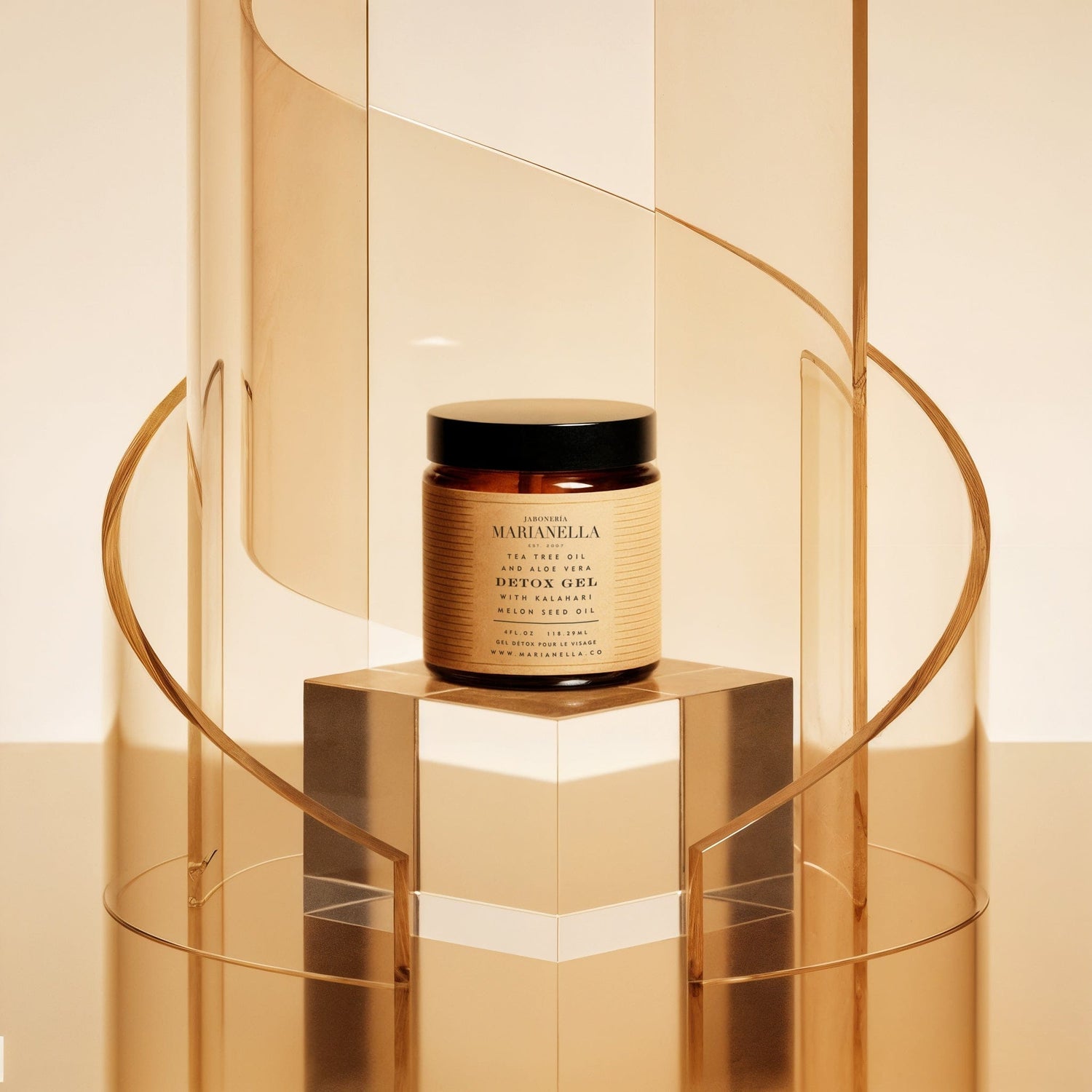
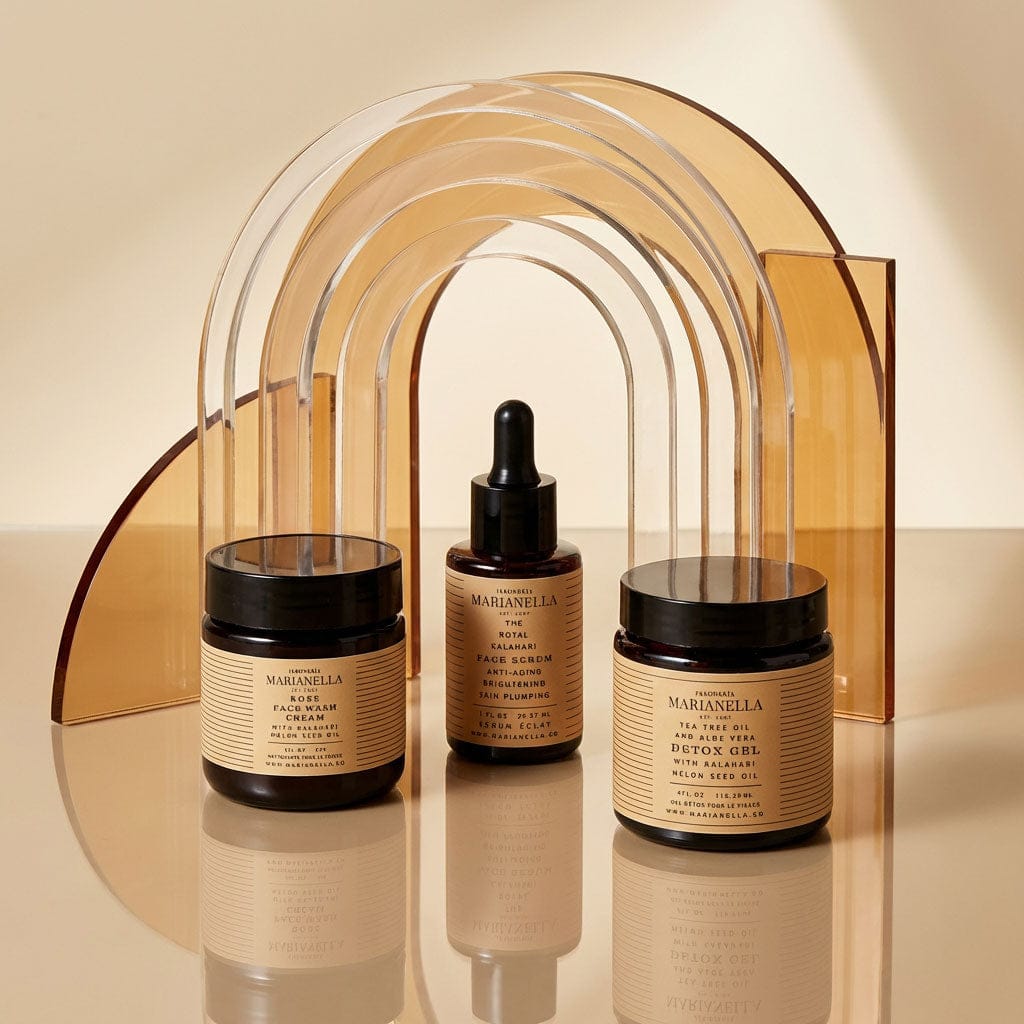
Detox Gel now with Kalahari Melon Seed Oil
A standout from the Marianella lineup, the Detox Gel now with Kalahari Melon Seed Oil brings together active and botanical intelligence in a single formula designed for effective skin renewal. The reformulation with Kalahari Melon Seed Oil adds a rare desert-derived oil prized for its lightweight skin affinity and high linolenic acid content, making it a considered partner for vitamin A delivery. $29.
This is the kind of product that reflects what Vogue, Oprah, Forbes, and People Magazine have recognized in the brand: a serious formulator working at the intersection of science and plant heritage, now available at Bloomingdale's BEAUTYSPACE.
Common Questions About Vitamin A for Skin
Can vitamin A be used on sensitive skin?
Yes, with the right form and frequency. Products with retinyl esters are ideal for first-time retinoid users or people with very sensitive skin. While they may be the weakest form of a retinoid, with consistent use, they can still help address lines and wrinkles, uneven texture and tone, and even milder forms of acne.
How long before vitamin A for skin shows results?
Structural changes at the collagen level require consistent, long-term use. Facial image analysis showed a significant reduction in facial wrinkles following 12 weeks of retinol application. Most dermatologists recommend a minimum of three to six months before evaluating results.
Is vitamin A the same as retinol?
Retinol is one specific form of vitamin A, the pure alcohol form. The retinoid family comprises vitamin A (retinol) and its natural derivatives such as retinoic acid, retinaldehyde, and retinyl esters, as well as many synthetic derivatives. When a product says "vitamin A," it may contain any form within that family. Reading the ingredient list tells you exactly what you are working with.
The Bottom Line on Vitamin A Skincare Benefits in 2026
Vitamin A remains the most evidence-supported topical active in modern dermatology. The mechanisms are documented. The clinical outcomes are reproducible. The spectrum of forms gives formulators and consumers real options based on skin type and tolerance. What matters most is choosing a product where the vitamin A form is appropriate, the surrounding formula supports its delivery, and the brand behind it has the expertise to make it work.
Marianella's approach, built over 18 years of formulation work rooted in Venezuelan botanical tradition and executed small-batch in Brooklyn, represents exactly that standard. Explore the Detox Gel now with Kalahari Melon Seed Oil as an entry point into what considered vitamin A formulation actually looks like.

Hinterlasse einen Kommentar
Diese Website ist durch hCaptcha geschützt und es gelten die allgemeinen Geschäftsbedingungen und Datenschutzbestimmungen von hCaptcha.