


Peptides are novel active ingredients that improve collagen synthesis, enhance skin cell proliferation, or decrease inflammation. In 2026, these powerful protein fragments have become the cornerstone of advanced skincare formulations, offering scientifically-backed solutions for multiple skin concerns. At Marianella, our 18 years of formulation expertise has led to sophisticated peptide serums and creams that deliver measurable results.
Based on their mechanism of action, they can be classified into signal peptides, carrier peptides, neurotransmitter inhibitor peptides, and enzyme inhibitor peptides. This targeted approach allows skincare formulators to select specific peptides for precise cellular communication and repair.
What Are Peptides in Skincare
Peptides, with their regenerative properties, are highlighted as key ingredients in medical aesthetic skincare, offering multifaceted benefits such as anti-ageing, antimicrobial, and antioxidant effects. These short chains of amino acids function as biological messengers, instructing skin cells to perform specific repair and regeneration activities.
Bioactive peptides have gained significant attention in the cosmetic industry due to their potential in enhancing skin health and beauty. These small protein fragments exhibit various biological activities, such as antioxidant, anti-aging, anti-inflammatory, and antimicrobial activities, making them ideal ingredients for cosmetic formulations.
Peptides Skincare Benefits: Scientific Evidence
Cosmetic peptides reduce existing wrinkles and prevent new ones from forming through a variety of mechanisms of action, which can act synergically for enhanced results. Signal peptides are used to stimulate fibroblast cells to increase collagen production and improve skin elasticity; neurotransmitter inhibitor peptides relax facial muscles, minimizing expression wrinkles; carrier peptides deliver essential trace elements to support skin repair, and enzyme inhibitor peptides reduce collagen breakdown, preserving the integrity of the skin.

|
$120 |

|
$160 |
As a result, significant improvements in skin wrinkles for all of the five sites were observed after two weeks, as assessed by skin topographic measurements. Clinical studies demonstrate that peptide complexes can deliver visible results in remarkably short timeframes.
As the global market for peptide-based products, including therapeutic peptides, cosmetic peptides, and nutraceuticals, continues to experience significant growth, the cosmetic peptide manufacturing market alone is projected to grow at a compound annual growth rate (CAGR) of 10.3% through 2034, with its value expected to increase from USD 3770.00 million in 2024 to USD 8259.34 million by 2032.
Collagen Synthesis and Skin Elasticity
One of their most significant effects is their ability to enhance the stimulation of collagen production. Research confirms that specific peptides can trigger fibroblast activity, leading to increased Type I and Type III collagen synthesis in the dermal matrix.
Further ex vivo evaluation using excised human skin, confirmed that the topical application of the peptides complex significantly increased dermal collagen expression, as well as expressions of collagen XVII and laminin.
Anti-inflammatory and Antioxidant Effects
Peptides can be anti-inflammatory, and chronic inflammation damages the tissue in your skin. Some studies have suggested that adding peptides to skin care products can help to dampen down inflammation to help undo the effects of aging skin.
Understanding Peptide Molecular Weight and Skin Penetration
For better permeability, molecules should have a molecular weight of less than 500 Da, log of partition coefficient octanol/water between 1 and 3, no or few polar centers, moderate solubility (over 1 mg/mL), and melting point under 200 °C. However, newer studies have shown that larger molecules can traverse the skin barrier, especially in the case of dry and aged skin.
Anti-wrinkle peptides, like other peptides, suffer from insufficient skin permeability, while most of them must penetrate deep in the skin to present their efficacy. Although the cellular studies indicate the effectiveness of such peptides, without the ability to permeate the skin sufficiently, this efficacy is useless.
Most peptides exceed the 500 Dalton molecular weight rule, the theoretical threshold for transdermal absorption through conventional emulsion systems. Advanced formulation techniques, including nano-encapsulation and chemical modification, help overcome these penetration challenges.
Best Peptides Products 2026: Innovation in Delivery
As an alternative, innovative formulations have been developed in nano-systems such as liposomes, niosomes, ethosomes, nanoemulsions, and other nanomaterials to reduce skin irritation and improve product effectiveness.
To enhance skin penetration, palmitic acid is conjugated to the N-terminal lysine, forming Pal-KTTKS. This lipidation (palmitoylation) increases the hydrophobicity of the molecule, improving its stability, reducing enzymatic degradation, and enhancing membrane permeability.
Types of Effective Peptides for Skin
Only a few oligopeptides, including tripeptide Gly–His–Lys (tripeptide 1, GHK), pentapeptide Lys-Thr-Thr-Lys-Ser (Dipeptide-4, KTTKS), hexapeptide Glu-Glu-Met-Gln-Arg-Arg (Hexapeptide-3, EEMQRR), Decapeptide-12 (Tyr-Arg-Ser-Arg-Lys-Tyr-Ser-Ser-Trp-Tyr, YRSRKYSSWT), and Hexapeptide-12 (Val-Gly-Val-Ala-Pro-Gly, VGVAPG) have been reported.
Signal peptides like palmitoyl pentapeptide demonstrate remarkable efficacy. Palmitoyl pentapeptide-4 is reported to be used at up to 0.0012% in eye lotions and face powder without irritation or sensitization. These concentrations prove effective while maintaining excellent safety profiles.
Marianella's Advanced Peptide Formulations
Drawing from three generations of Venezuelan botanical beauty traditions and 18 years of Brooklyn-based formulation expertise, Marianella has developed two clinically-tested peptide formulations that address multiple aging concerns simultaneously.
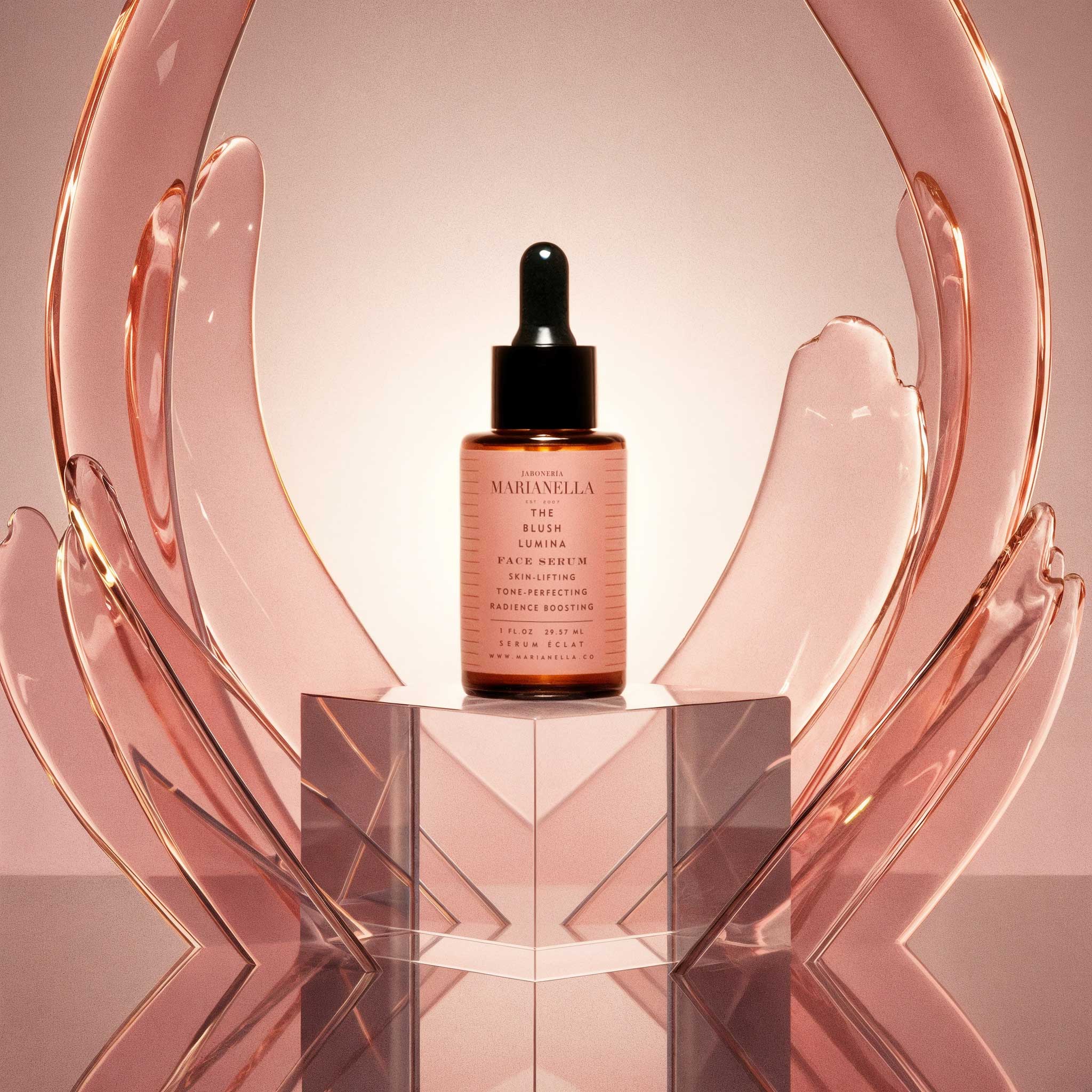
The Wrinkle Reducing Ultra Peptide Intensive Face Serum combines multiple peptide types with botanical actives for comprehensive skin renewal. This lightweight formula penetrates efficiently to stimulate cellular repair processes. $120
For intensive nighttime repair, the Wrinkle Reducing Ultra Peptide Intensive Night Cream delivers concentrated peptides in a rich, nourishing base that supports overnight regeneration. This formulation works synergistically with natural sleep cycles to maximize peptide efficacy. $160
The Future of Peptides in Skincare
A market study has shown that the interest in incorporating two or more peptides in one formulation has increased in recent times. Moreover, the diversity of peptides almost doubled in the period of analysis, reflecting the growing importance of these ingredients.
The UK skincare market size was valued at USD$17.98 billion in 2022 and is anticipated to reach USD$28.37 billion by 2031, expanding at a compound annual growth rate (CAGR) of 5.2% during the forecast period 2023-2031. This growth reflects increasing consumer sophistication and demand for scientifically-backed ingredients.
Peptides represent the convergence of pharmaceutical-grade science with luxury skincare innovation. As featured in Vogue and recognized by People Magazine with a Star Beauty Award, Marianella continues advancing peptide formulation technology. Now available at Bloomingdale's BEAUTYSPACE, these Venezuelan-founded formulations demonstrate how traditional botanical knowledge can enhance modern peptide science for exceptional skin results.

Hinterlasse einen Kommentar
Diese Website ist durch hCaptcha geschützt und es gelten die allgemeinen Geschäftsbedingungen und Datenschutzbestimmungen von hCaptcha.