

Hibiscus Oil Skincare Benefits: What the Science Actually Says in 2026
Hibiscus oil is one of the most scientifically compelling botanical oils in modern skincare, and it earns that distinction at the molecular level. The oil has potent antioxidant properties, maintains collagen levels, enhances skin elasticity, and reduces wrinkles, making it beneficial for maintaining firm and youthful skin. For anyone researching hibiscus oil skincare benefits, that summary barely scratches the surface. The real story lives in the fatty acid profile, the phytochemical composition, and a growing body of clinical research that positions this seed-derived oil as a serious anti-aging ingredient for 2026.
What Is Hibiscus Oil?
Derived from the seeds of the hibiscus plant, it is a golden yellow liquid that is easily absorbed by the skin. The most common forms include hibiscus carrier oil, hibiscus infusion, and hibiscus essential oil, all mostly extracted from two species: Hibiscus rosa sinensis and Hibiscus sabdariffa. The carrier oil form, cold-pressed from seeds, is what dominates high-performance skincare formulations. It absorbs quickly, leaves no heavy residue, and carries a bioactive payload that few plant oils can match.
Hibiscus carrier oil contains flavonoids, carotenoids, and tannins that create a protective shield against harsh environmental aggressors, helping to preserve the vibrancy and youthfulness of both skin and hair. Those compounds are not decorative, they are functional, and their mechanisms are now being documented with increasing precision in peer-reviewed research.
The Fatty Acid Profile: Why Hibiscus Oil Works at the Barrier Level
Understanding hibiscus oil for skin starts with its foundational chemistry. The fatty acid composition is what governs how deeply the oil penetrates, how it interacts with the skin barrier, and which skin types benefit most.
Hibiscus oil is composed of approximately 40% polyunsaturated fatty acids, such as linoleic acid, an essential omega-6 fatty acid that cannot be synthesized by the body. From an epidermal perspective, linoleic acid indirectly contributes to the formation of the skin barrier by triggering a cascade of biochemical reactions that ultimately lead to the stimulation of cell renewal.
Hibiscus oil also contains monounsaturated oleic acid at approximately 20%, an omega-9 naturally present in the hydrolipidic film of the skin, acting as a shield to keep skin hydrated and protected from external aggressions. Linoleic acid also plays a role in the synthesis process of ceramides, lipids naturally present in the skin that ensure good cohesion between the cells of the epidermis.
Having these two critical fatty acids balanced results in an oil that is anti-inflammatory as well as moisturizing while being very unlikely to clog pores. Certain saturated fatty acids, such as stearic acid and palmitic acid, also make up the composition of hibiscus vegetable oil, at about 20%.
Tocopherols and Phytosterols: The Structural Defenders
Tocopherols (Vitamin E) in hibiscus oil are natural antioxidants that combat free radicals, molecules that can potentially promote skin aging. Phytosterols contribute to the maintenance of the skin's barrier function and have soothing properties. The vegetable oil of hibiscus also has anti-inflammatory properties, thanks to the phytosterols included in its composition.
Hibiscus Oil and Anti-Aging: What the Research Shows
The anti-aging case for hibiscus oil is built on multiple mechanisms, not a single claim. Collagen protection, oxidative stress reduction, and barrier reinforcement operate simultaneously, which is why the ingredient is gaining traction across clinical and cosmetic science alike.
Antioxidant Activity and Free Radical Neutralization
Several studies have shown that hibiscus vegetable oil acts against free radicals, which are responsible for premature skin aging, by donating an electron to them. This mechanism notably transforms hydrogen peroxide (H₂O₂), which causes damage to DNA and proteins, into water (H₂O). That is not a minor action. Hydrogen peroxide accumulation in skin cells drives both inflammation and accelerated structural degradation.
Hibiscus acid was found to have a strong anti-oxidative stress effect, and several assays indicated that hibiscus acid treatment can effectively reduce extracellular adenosine triphosphate (ATP) secretion and carbonyl protein production, as well as maintain a high level of reduced/oxidized glutathione (GSH/GSSG) in skin cells. Published in Molecules by researchers at Kyushu University, this was described as "the first study to explore the reversing skin aging potential and the contributory component of Hibiscus sabdariffa."
Collagen Synthesis and Skin Elasticity
Research by Di Martino et al. demonstrated that hibiscus extract significantly enhances wound healing by stimulating fibronectin and collagen synthesis in human fibroblasts and keratinocytes, with a reported 60% increase in collagen synthesis and a 16% boost in fibronectin production. Those are meaningful figures in the context of topical anti-aging science.
Hibiscus is also rich in a compound called myricetin, which may slow down collagen degradation. Hibiscus sabdariffa extract has been shown to inhibit MMP activity, protect against UV- and pollution-induced oxidative stress, and stimulate collagen synthesis, making it a potential intervention for skin rejuvenation. MMPs (matrix metalloproteinases) are enzymes that break down collagen, so their inhibition is a direct anti-aging mechanism.
New 2025 Clinical Evidence
The most current clinical data on hibiscus and skin comes from a 2025 randomized, double-blind, placebo-controlled study published in the International Journal of Molecular Sciences. The trial was conducted in 2024 and enrolled 100 adults aged 35 to 60 years with dry skin and visible periorbital wrinkles. Reductions in transepidermal water loss (TEWL) and desquamation were observed from 6 weeks and sustained across the full 12-week study period. Findings showed that hibiscus supplementation significantly enhanced skin elasticity and reduced wrinkle depth and surface roughness.
Hibiscus Oil for Skin Brightening and Texture Refinement
Beyond the anti-aging story, hibiscus oil brings meaningful contributions to tone and texture. With naturally gentle alpha hydroxy acids (AHAs), hibiscus carrier oil unveils a more radiant skin complexion. This plant-based extract can maintain collagen production and decrease melanin synthesis that happens due to overexposure to UVB radiation. That dual action, supporting collagen while tempering excess pigmentation, makes hibiscus oil relevant for anyone dealing with uneven skin tone.
Hibiscus contains antioxidants called anthocyanins that lend the flower its pinkish-red hue. They are responsible for its anti-inflammatory properties and may help reduce oxidative stress and associated skin inflammation. Reduced chronic inflammation in the skin is one of the clearest predictors of long-term skin health and visible clarity.
Who Should Use Hibiscus Oil for Skin?
Dry and Mature Skin
Applying a skincare product containing hibiscus oil is beneficial for individuals with dry skin as it nourishes the epidermis while making it less susceptible to dehydration. Given its fatty acid profile, hibiscus oil would be expected to fall in the 1-2 range on the comedogenicity scale. It is a light oil that would not be expected to clog pores, but the higher oleic acid levels make it best for dry skin types.
Sensitive and Compromised Skin
Hibiscus carrier oil is widely incorporated into professional beauty products for its ability to soothe sensitive or aging skin. Rich in flavonoids, carotenoids, and tannins, hibiscus oil acts as an effective antioxidant, helping to protect the skin against environmental elements. The phytosterol content specifically addresses barrier repair, making it a considered option for post-procedure and reactive skin.
Normal and Combination Skin
The balanced ratio of oleic to linoleic acid means hibiscus oil does not overwhelm normal skin with occlusion. Its lightweight texture and non-comedogenic profile make it a viable option across a wider range of skin types when used as part of a layered formulation strategy.
Venezuelan Botanical Tradition Meets 18 Years of Formulation Science
At Marianella, the relationship with plant-based oils is not a trend response. It is the foundation the brand was built on. Since 2007, Marianella has been handcrafting small-batch skincare in Brooklyn, drawing on three generations of Venezuelan botanical beauty knowledge to inform every formulation. That heritage places particular weight on seed oils and plant extracts that have demonstrated records in traditional use and, increasingly, in clinical science.
Venezuelan botanical tradition has long valued the medicinal and cosmetic properties of tropical flowering plants. Hibiscus, celebrated across Latin America, North Africa, and South Asia for centuries, aligns precisely with that lineage. It is an ingredient that carries both cultural continuity and modern scientific validation, the exact intersection Marianella has worked within for 18 years.
That depth of formulation expertise, recognized by People Magazine's Star Beauty Award and featured in Vogue, Oprah, Forbes, and Allure, shows in how ingredients like hibiscus oil are deployed. Not as marketing decoration, but as structurally sound contributors to skin health outcomes.
The Best Hibiscus Oil Products for 2026: The Marianella Range
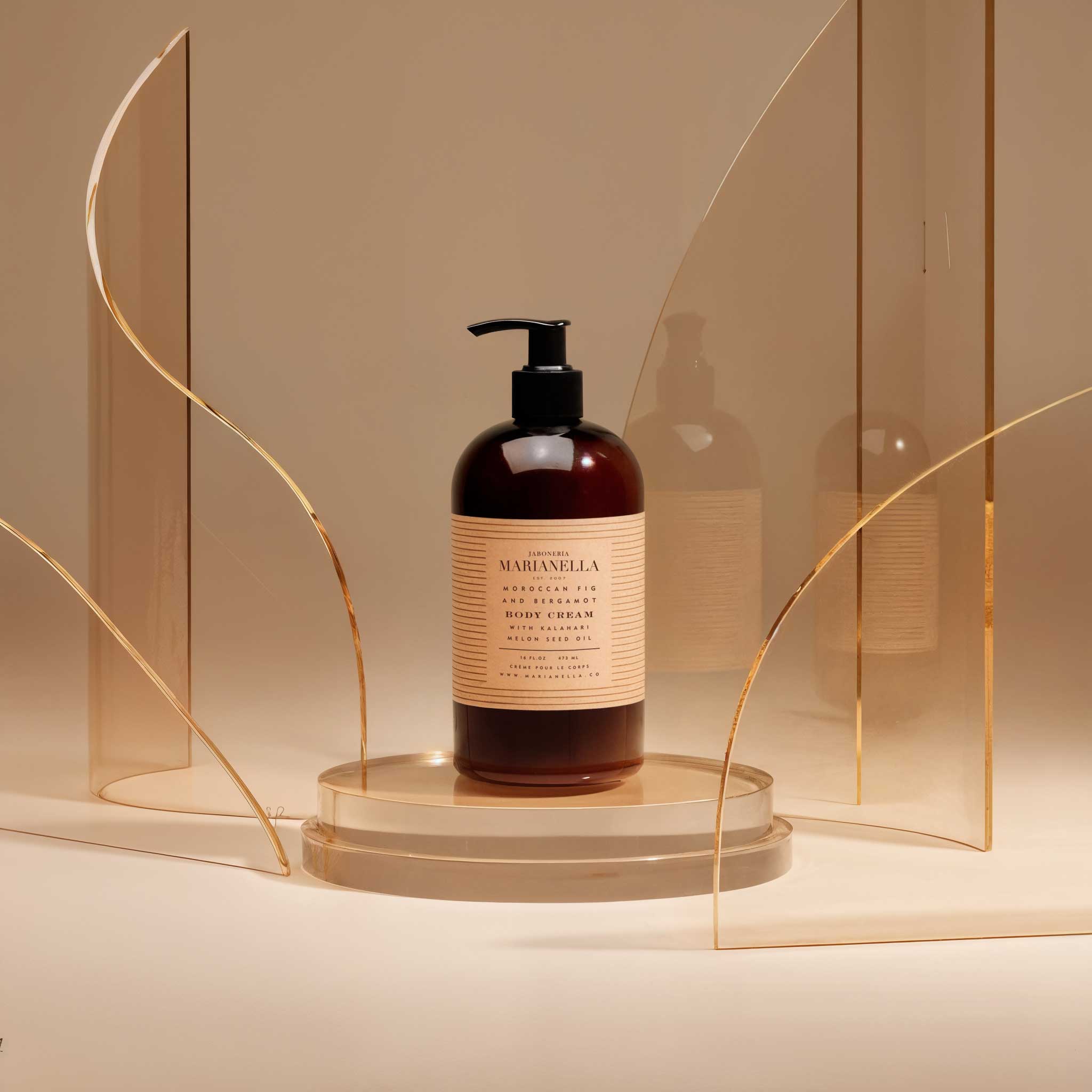
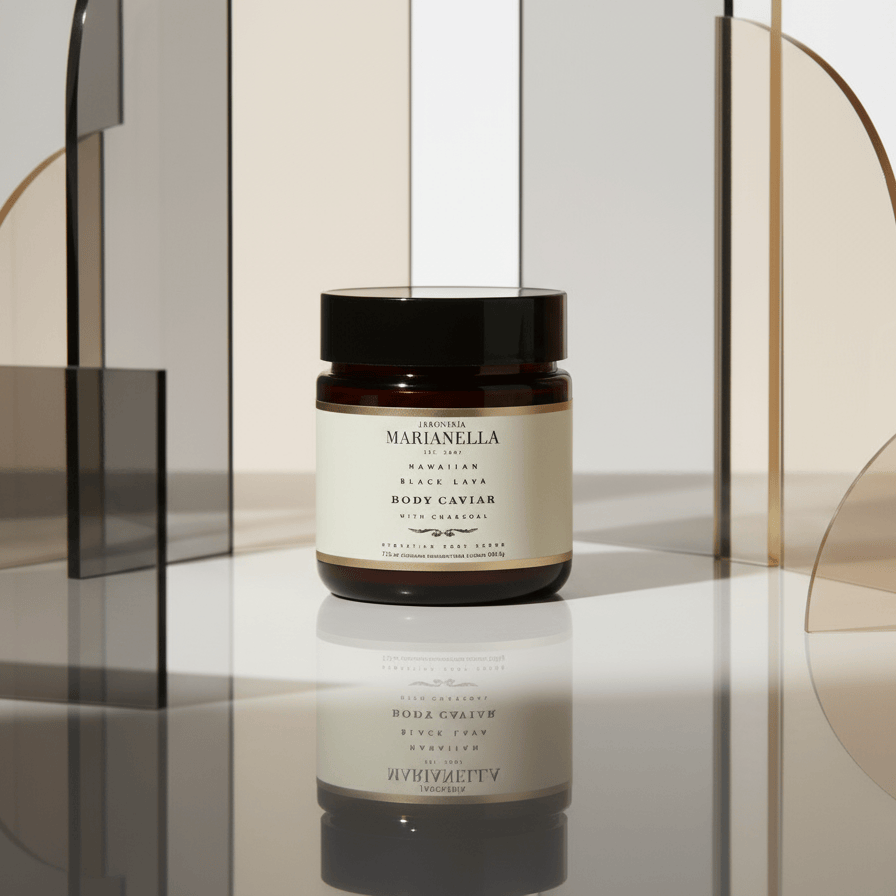
Marianella's 82-product lineup spans face, body, and home, and several formulations draw on the nourishing, antioxidant, and barrier-reinforcing properties that make hibiscus oil a standout in botanical skincare. Available now at Bloomingdale's BEAUTYSPACE, these small-batch formulations represent 18 years of botanical expertise compressed into each bottle.
Explore the full collection at Marianella to find the right hibiscus oil formulation for your skin type and concern. The brand's Venezuelan heritage, Brooklyn craftsmanship, and commitment to ingredient integrity make it a distinct point of reference in the current landscape of best hibiscus oil products.
How to Use Hibiscus Oil in Your Skincare Routine
Layering Order
As a carrier oil, hibiscus oil should generally be applied after water-based serums and before heavier creams or SPF in a daytime routine. Its rapid absorption rate means it does not disrupt subsequent product application.
Pairing Considerations
The AHA activity in hibiscus oil makes it complementary to brightening formulations. Its anti-inflammatory phytosterols make it a considered companion to retinol or active exfoliant routines, where barrier support is a priority.
Frequency
For most skin types, daily use is appropriate. The non-comedogenic fatty acid balance means it does not require the rotation approach sometimes applied to heavier oils. Consistent use supports the cumulative barrier and antioxidant benefits documented in clinical research.
The Bottom Line on Hibiscus Oil Skincare Benefits
Hibiscus oil is no longer an emerging ingredient. The peer-reviewed record on collagen protection, barrier reinforcement, antioxidant defense, and AHA-driven brightening is substantial and growing. Hibiscus is a potent natural ingredient widely known for its anti-aging properties due to its rich phytochemical profile, including flavonoids, anthocyanins, and organic acids, and it uniquely inhibits elastase activity, promoting collagen synthesis and maintaining skin elasticity.
For anyone building a serious skincare routine in 2026, hibiscus oil belongs in the conversation alongside better-known botanical actives. Its science is real, its skin compatibility is broad, and its formulation history, particularly in the hands of brands with genuine botanical expertise, is deep.
Browse the Marianella collection to see how 18 years of Venezuelan botanical knowledge and Brooklyn craftsmanship shapes hibiscus oil into something more than an ingredient list entry.
```

Hinterlasse einen Kommentar
Diese Website ist durch hCaptcha geschützt und es gelten die allgemeinen Geschäftsbedingungen und Datenschutzbestimmungen von hCaptcha.