Safflower Oil Skincare Benefits: Science-Backed Beauty for 2026
Safflower oil skincare benefits have captured the attention of beauty scientists and dermatologists worldwide.
Safflower seed oil inhibited UVB-induced matrix metalloproteinase-1 (MMP-1) at both protein and mRNA levels in skin cells
, positioning this lightweight botanical oil as a formidable ally against photoaging. With
linoleic acid accounting for 55.1-77.0% in oils, with a mean value of 70.66%
, safflower oil delivers concentrated skin barrier support that rivals expensive serums at a fraction of the cost.
What Is Safflower Oil for Skin?
Safflower oil is a lightweight plant oil extracted from the seeds of Carthamus tinctorius, a thistle-like plant native to Turkey and Iran.
Safflower oil is a vegetable oil extracted from the seeds of the safflower plant. While it's still relatively unknown in the field of cosmetics, it is nonetheless full of potential and could offer several benefits to the skin
. This golden oil stands apart from heavier botanical oils due to its unique molecular composition and rapid skin absorption properties.
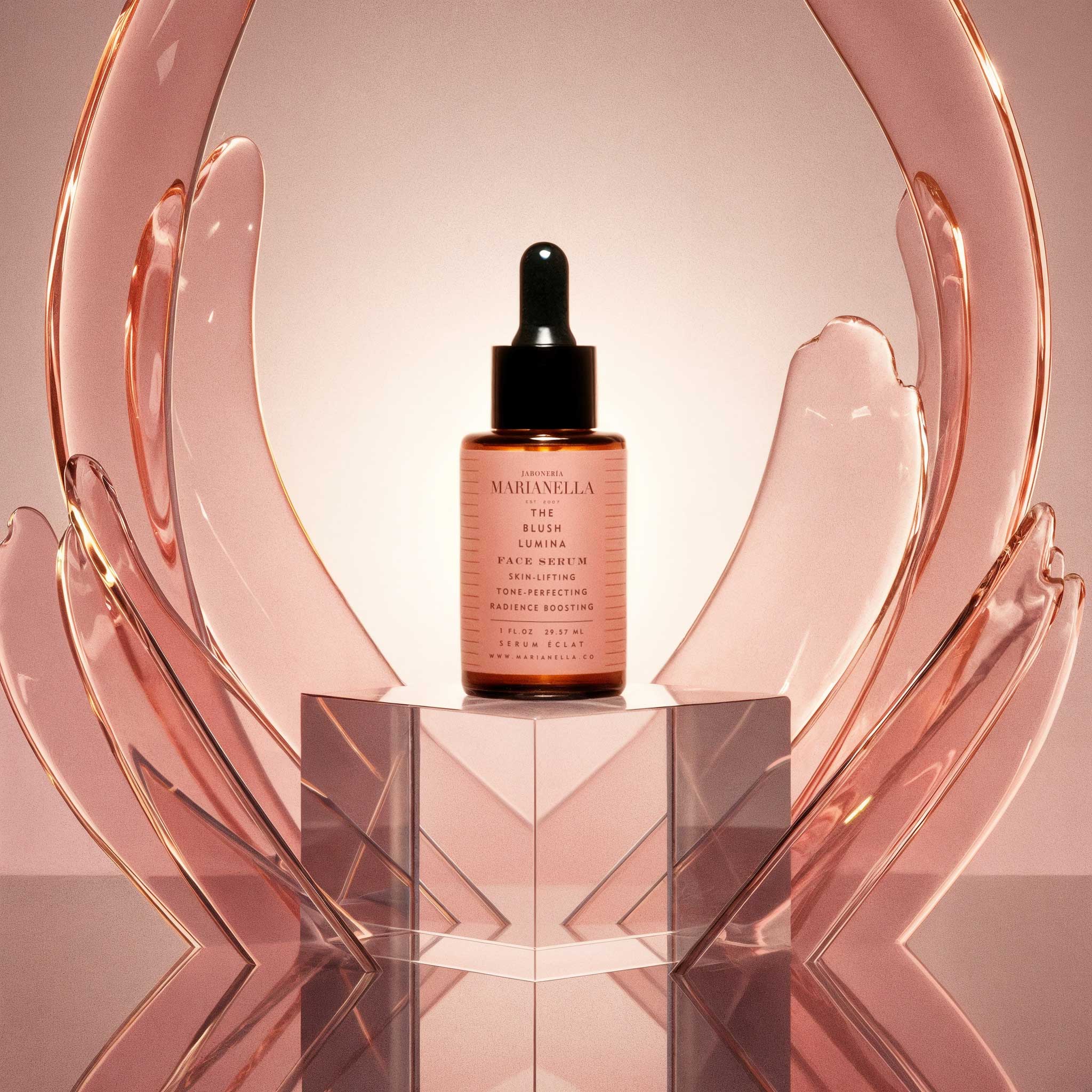
For Marianella, whose three generations of Venezuelan botanical beauty knowledge spans 18 years of formulation expertise, safflower oil represents the intersection of traditional wisdom and modern dermatological science. The Brooklyn-based brand has long understood what researchers are now confirming: certain plant oils possess remarkable skin-transforming properties when properly formulated.
The Science Behind Safflower Oil's Molecular Structure
Safflower oil boasts up to 75% linoleic acid, an omega-6 fatty acid that strengthens your skin barrier and helps maintain moisture balance
. This high concentration of linoleic acid creates safflower oil's distinctive lightweight texture and rapid absorption.
Rich in linoleic acid, it strengthens the skin's barrier and promotes the cohesion of cells in the stratum corneum. Better organized, these cells ensure improved skin impermeability and reduce water loss
.
The oil's fatty acid profile varies slightly between cultivars, but typically contains
47.04 to 92.59% linoleic acid (C18:2), 4.09 to 40.34% oleic acid (C18:1), 0.54 to 12.01% palmitic acid (C16:0), and 0.05 to 1.35% stearic acid (C18:0)
. This composition creates a perfect balance between barrier repair and anti-inflammatory action.
Evidence-Based Safflower Oil Skincare Benefits
UV Protection and Anti-Aging Properties
Recent studies reveal safflower oil's impressive photoprotective capabilities.
SSO inhibited UVB-induced matrix metalloproteinase-1 (MMP-1) at both protein and mRNA levels in HaCaT cells and human dermal fibroblasts (HDF). MMP-1 is known to play important roles in collagen degradation and wrinkle formation
. This enzymatic protection translates to visible anti-aging benefits.
Clinical research demonstrates remarkable results.
In one study, a mask pack containing safflower extract produced significant improvement in skin wrinkles, with 15 out of 19 subjects showing more than 70% improvement rate
. Additional studies show
15% safflower cream achieved a 92% response rate after just two weeks of treatment, outperforming a control formulation containing vitamins A, C, and E, which achieved only a 76% response rate
.
Potent Antioxidant Activity
Safflower oil delivers measurable free radical protection. Research shows
up to 77% free radical elimination rate at 100 ppm concentration
, making it a powerful defender against environmental damage.
Safflower oil contains high levels of phenolic compounds (140.9-412.8 mg GAE/kg of oil) which correlate with significant antioxidant activity (20.6-68.9% DPPH scavenging)
.
The oil's vitamin E content amplifies these protective benefits.
Three types of tocopherols were found in safflower oil in various amount α-tocopherol, β-tocopherol and γ-tocopherol, ranged from 46.05 to 70.93 mg/100 g, 0.85 to 2.16 mg/100 g and trace amount to 0.45 mg/100 g oils, respectively
.
Anti-Inflammatory and Skin Barrier Repair
Studies have shown that linoleic acid has anti-inflammatory properties, making safflower oil a great choice for conditions like eczema and psoriasis. A study published in the Journal of Dermatological Science found that safflower oil reduced inflammation and improved skin barrier function
.
The mechanism involves sophisticated cellular pathways.
Phytosterols can inhibit the activity of NF-κB and AP-1 proteins, which are pro-inflammatory transcription factors. Indeed, NF-κB codes for various inflammation proteins such as certain pro-inflammatory chemokines. AP-1 has similar effects and notably codes for cytokines, which are also pro-inflammatory
.
Collagen and Elastin Protection
Perhaps most impressive is safflower oil's direct impact on skin aging enzymes.
Research demonstrates that safflower oil significantly inhibits collagenase (47-72.1% inhibition) and elastase (32.2-70.3% inhibition). Since these enzymes break down collagen and elastin – proteins essential for skin firmness and elasticity – this inhibitory activity directly contributes to safflower's anti-wrinkle effects
.
Best Safflower Oil Products 2026: What to Look For
Non-Comedogenic Properties
Unlike some plant oils, safflower oil won't clog your pores! Its lightweight molecular structure makes it perfect for acne-prone skin, providing hydration without triggering breakouts
. This makes safflower oil suitable for all skin types, from dry to oily.
Optimal Formulation Considerations
The best safflower oil products maintain the oil's delicate fatty acid profile through careful processing.
Non-comedogenic when of high quality, safflower oil can also replace a night cream, especially in winter when the skin is exposed to harsh temperatures and needs maximum comfort and hydration
.
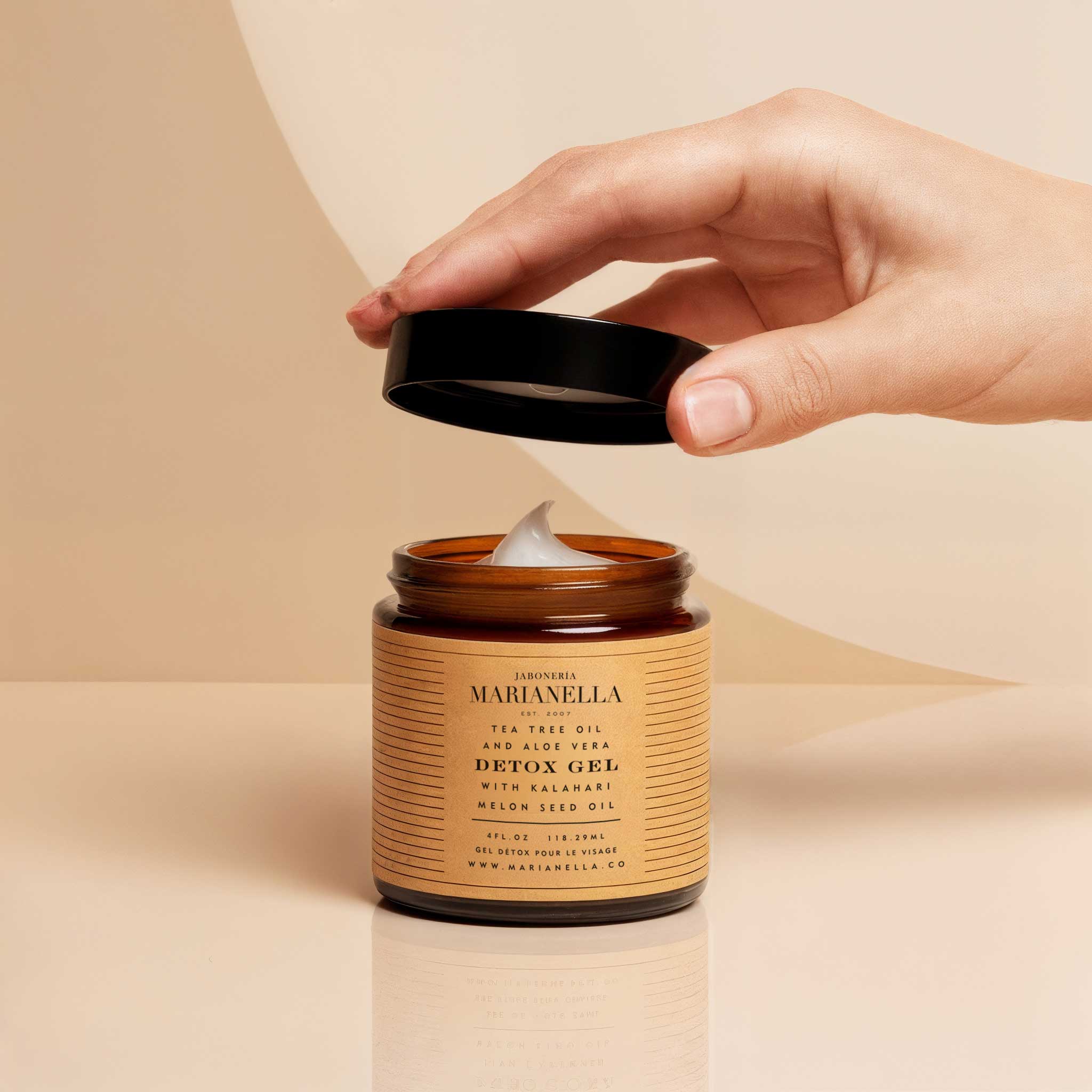
Marianella's approach to botanical formulation draws from 18 years of small-batch crafting in Brooklyn, where quality control ensures each product meets the exacting standards that earned the brand recognition in Vogue and a People Magazine Star Beauty Award. The brand's 82-product lineup demonstrates how traditional Venezuelan botanical knowledge, passed through three generations, can elevate modern skincare formulations.
Application and Results
It absorbs quickly into the skin, making it an ideal moisturizing facial oil suitable for all skin types. This rapid absorption ensures the delivery of beneficial compounds without leaving a greasy residue
.
For optimal results, safflower oil works synergistically with other botanical actives.
Topical safflower oil acts as an emollient that reinforces the stratum corneum barrier, supporting the ability of skin to retain moisture by reducing transepidermal water loss and improving hydration. These effects are attributed to the high linoleic acid content of safflower oil, which maintains the epidermal water-permeability barrier
.
The Future of Safflower Oil in Skincare
As consumers increasingly seek science-backed natural ingredients, safflower oil emerges as a standout performer. Its combination of proven efficacy, skin compatibility, and sustainable sourcing aligns with 2026's beauty trends toward transparency and results.
Marianella's commitment to handcrafted excellence, now available at Bloomingdale's BEAUTYSPACE, reflects this evolution. The brand's Venezuelan heritage brings unique botanical perspectives to modern formulation, creating products that honor traditional knowledge while meeting contemporary skin needs.
Whether seeking anti-aging benefits, barrier repair, or gentle hydration, safflower oil offers a scientifically validated solution that works across skin types and concerns. Its rising prominence in dermatological research confirms what artisanal brands like Marianella have long understood: nature provides powerful tools for skin health when approached with expertise and respect.




Hinterlasse einen Kommentar
Diese Website ist durch hCaptcha geschützt und es gelten die allgemeinen Geschäftsbedingungen und Datenschutzbestimmungen von hCaptcha.