

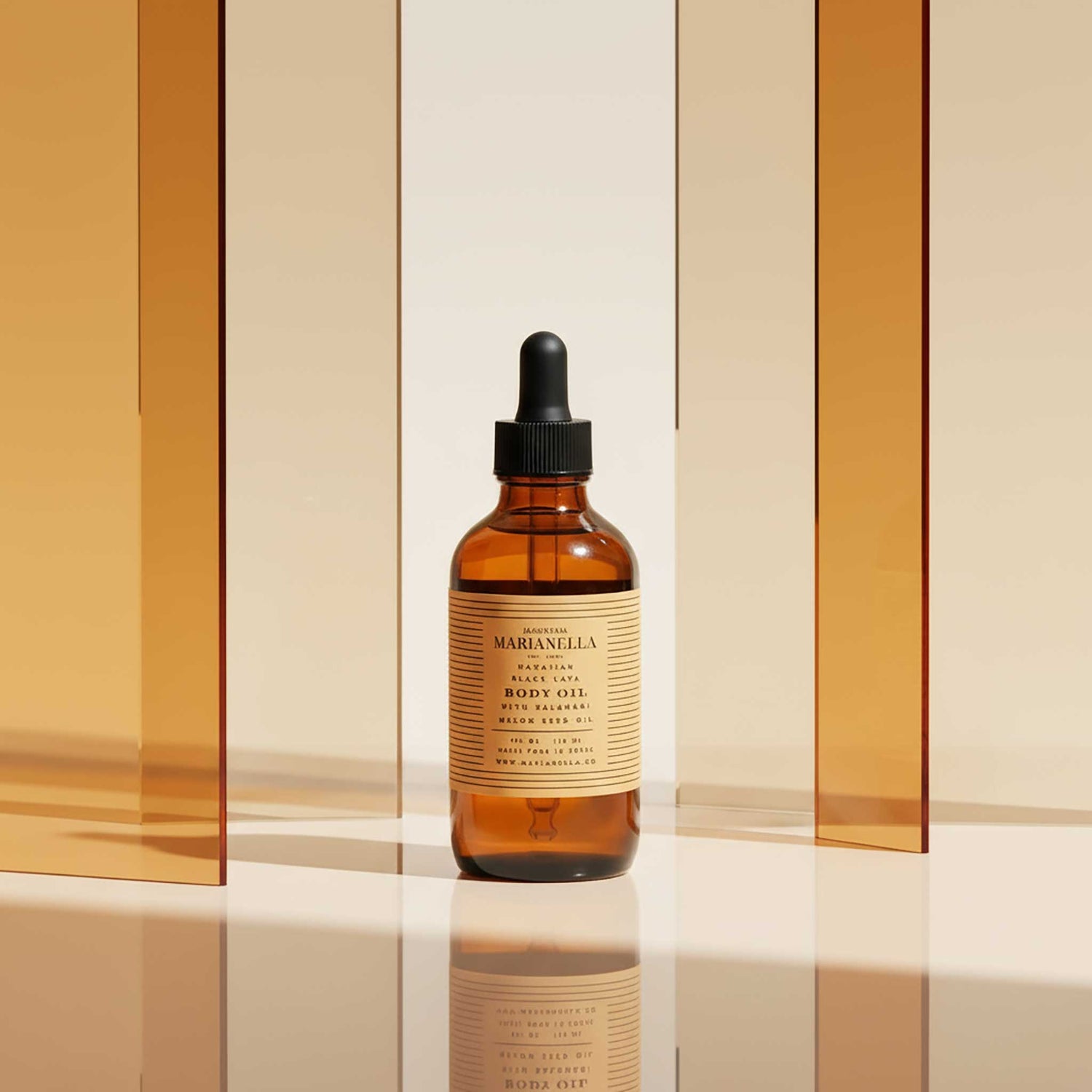
Olive oil skincare benefits have been validated by both millennia of practice and a growing body of modern clinical research. Extra virgin olive oil delivers a dense roster of bioactives — oleic acid, squalene, hydroxytyrosol, oleuropein, and vitamins E and K — that work together to hydrate, protect, and slow visible aging. In 2026, it remains one of the most rigorously studied plant-derived ingredients in dermatology. At Marianella, it sits at the foundation of formulations shaped by 18 years of small-batch expertise and three generations of Venezuelan botanical knowledge.
What Is Olive Oil in Skincare?
Olive oil is a cold-pressed liquid fat extracted from the fruit of Olea europaea, the European olive tree. In skincare, it functions as an emollient, antioxidant delivery system, and skin-barrier support agent. Olive oil contains about 98% fatty acids, principally oleic acid, and 2% minor components of over 230 compounds such as squalene, tocopherols, sterols, and polyphenols. The quality of the oil matters significantly: ultra premium extra virgin olive oil has the highest antioxidant levels due to cold-pressing within hours of harvest. In formulation, that distinction is not cosmetic — it directly affects bioavailability and efficacy.
A Record That Spans 4,000 Years
Olive oil has been used in skincare since at least 2000 BC. Egyptians used olive oil combined with beeswax as a cleanser and antibacterial agent. In classical Greece, athletes covered their bodies with olive oil before competitions — considered a symbol of strength and vitality, while also protecting the skin from sun and dust. Hippocrates mentions 60 different conditions that could be treated with it, including skin ailments, wounds, and burns.
This is not nostalgia. It is a record of observed efficacy that modern science has since decoded at the molecular level. The same traditions that traveled through Mediterranean cultures, and through generations of Venezuelan botanical practice, now inform how Marianella approaches each small-batch formula.
The Bioactive Profile: What Makes Olive Oil Work on Skin
Oleic Acid
Olive oil is composed of about 80% oleic acid, a fatty acid that provides moisture. Oleic acid promotes skin regeneration and modulates inflammatory responses. Its molecular weight allows it to penetrate the upper layers of the stratum corneum, delivering lipids where surface-level hydration alone cannot reach.
Squalene
Human sebaceous glands produce squalene as part of the skin's natural moisture barrier, but production peaks around age 30 and declines steadily after that. Olive oil contains up to 300 times more squalene than any other vegetable oil — the same compound human skin produces naturally to stay moisturized and protected. Squalene exhibits moisturizing and antioxidant properties. In formulation, it is one of the few plant-derived compounds that is biologically identical to what skin already produces.
Hydroxytyrosol
Hydroxytyrosol (3,4-dihydroxyphenylethanol) is a naturally occurring polyphenol found in olives, olive leaves, and olive oil. It is, by measurable standard, an exceptional antioxidant. Its antioxidant properties are demonstrated by the ORAC value study (Oxygen Radical Absorption Capacity): hydroxytyrosol has an ORAC value of 27,000 compared to Vitamin C with an ORAC value of 2,100. Studies have shown that hydroxytyrosol exhibits a broader range of antioxidant activity compared to vitamin C and vitamin E, scavenging both superoxide and hydroxyl radicals, as well as other reactive oxygen and nitrogen species.
Oleuropein and Oleocanthal
Oleuropein, a glycosylated secoiridoid and bitter phenolic compound found in olive skin, pulp, seeds, and leaves, is widely used in cosmetics as an active ingredient. In addition to its anti-inflammatory, antiproliferative, and antioxidant activity, oleuropein also exhibits antimicrobial, antiviral, and anti-aging properties. Oleocanthal, another polyphenol exclusive to virgin olive oil, works similarly to ibuprofen by reducing inflammatory markers.
Vitamin E
Vitamin E, specifically α-tocopherol, is a fat-soluble antioxidant that protects cell membranes and aids in skin hydration. Beyond polyphenols, olive oil contains vitamin E (alpha-tocopherol), a fat-soluble antioxidant that protects cell membranes, and squalene, which is particularly beneficial for skin health.
Olive Oil for Skin: What the Research Shows in 2026
Anti-Aging and Wrinkle Reduction
The clinical data on olive oil polyphenols and visible aging is compelling. A 2024 study found that olive oil polyphenols reduced visible wrinkles by 34–52% in adults after 30 days of use. Broken down by demographic, the results were similarly significant: women aged 45 to 79 saw an average decrease in wrinkles of 33.91%, while men in the same age group experienced a reduction of 46.56%. Even younger men aged 20 to 44 showed a notable improvement of 51.93%.
Compounds such as oleocanthal and oleuropein have been highlighted for their roles in hydration, elasticity, wrinkle reduction, and photoprotection relevant to skin aging. Polyphenols help strengthen the skin barrier by improving hydration and dermal structure, making the skin more resistant to external aggressors like UV rays and pollution — slowing the appearance of wrinkles and promoting smoother skin.
Hydration and Barrier Function
A 2025 study compared the effects of extra virgin olive oil and petrolatum on the forearm skin of 57 participants. Both improved skin hydration, reduced redness and flakiness, and enhanced skin barrier function. Petrolatum reduced water loss from the skin better than EVOO, but EVOO helped renew the skin by promoting cell turnover. That distinction matters: EVOO supports active renewal, not just occlusion.
A 2024 study published in the Journal of Cosmetic Dermatology found that regular topical use of extra virgin olive oil significantly improves skin elasticity and reduces dryness, especially in mature or sensitive skin types.
Antioxidant Protection Against Environmental Damage
Combined with powerful antioxidants like vitamin E and hydroxytyrosol, olive oil neutralizes free radicals from UV exposure and pollution. Research from the Spanish Council for Scientific Research confirms olive oil's ability to protect against oxidative stress, a key driver of premature skin aging. Squalene and various fatty acids serve as emollients, helping to soften the skin and form a protective layer that reduces moisture loss. Polyphenols, including oleocanthal, exhibit anti-inflammatory properties that can help soothe irritated skin and promote wound healing.
Skin Regeneration
Wound-healing properties have been attributed to olive oil and its derived raw materials. A 2024 clinical study found accelerated wound healing in groups using olive oil compared to a control group. The analysis underscores the role of olive-derived bioactives in wound healing, stretch mark management, and skin regeneration.
Who Should Use Olive Oil Skincare — and Who Should Be Cautious
Olive oil is not a universal fit for every skin type applied as a pure oil. Olive oil carries a comedogenic rating of 2 to 3 on a scale of 5 — moderate, but enough to cause breakouts in people with oily or acne-prone skin. In a formulated product, however, where olive-derived actives are blended with complementary ingredients, these concerns are significantly mitigated. The skill of the formulator determines how well the active compounds perform without the comedogenic drawback of undiluted application.
For dry, mature, sensitive, and normal skin types, the evidence is consistent: olive oil moisturizes dry skin by helping it retain water and provides antioxidant protection from environmental damage. The Mediterranean diet, rich in olives, has also been linked to reduced inflammation in conditions like cystic acne and hidradenitis suppurativa.
The Marianella Approach to Olive Oil
Marianella has been handcrafting skincare in Brooklyn since 2007. The brand was founded on Venezuelan heritage — three generations of botanical beauty knowledge rooted in a region of extraordinary plant biodiversity. That foundation shapes every formulation decision, including how and why olive oil appears across the product range.
Eighteen years of small-batch formulation means understanding not just what an ingredient does in isolation, but how it behaves in a complete formula — how oleic acid interacts with other lipids, how polyphenol stability is maintained, how the final texture performs on real skin. That depth of knowledge is what separates ingredient-led marketing from ingredient-led science.
The brand's 82 products — spanning face, body, and home — now available at Bloomingdale's BEAUTYSPACE, reflect that philosophy. Each one is built around botanicals with documented efficacy, formulated in quantities that allow quality control at every step. It is the same standard recognized by Vogue, Forbes, Oprah, and People Magazine, which awarded Marianella the Star Beauty Award.
How to Identify Quality Olive Oil Skincare Products
Look for Extra Virgin Designation
Extra virgin olive oil stands out for its broad range of organic compositions and well-known moisturizing properties. In skincare, the grade of oil used in formulation directly affects the concentration of bioactives. Refined olive oil offers significantly fewer polyphenols and antioxidant compounds.
Consider the Full Ingredient System
The effect of olive oil on the skin is complex and varies depending on the oil's quality, the ratio of fatty acids, and the individual's skin type. Not all olive oils are the same — factors include quality, the type of species used, distillation, and other manufacturing considerations. A skilled formulation team accounts for all of these variables.
Best Olive Oil Products 2026: What to Look For
In 2026, the best olive oil skincare products share a few characteristics: they use cold-pressed extra virgin or high-polyphenol extracts rather than refined oil; they are formulated to maximize bioavailability of hydroxytyrosol, oleuropein, and squalene; and they are produced by brands with demonstrable formulation expertise rather than trend-driven ingredient additions.
Small-batch production, like that practiced at Marianella, also matters. Factors including quality, olive species, distillation, and other manufacturing considerations all affect the final potency of what reaches your skin.
The Bottom Line on Olive Oil for Skin
The case for olive oil in skincare is not built on tradition alone, though the tradition is long. It is built on a molecular profile — over 230 identified compounds — and a body of clinical evidence that continues to grow. Wrinkle reduction. Barrier support. Antioxidant defense. Cell renewal. These are documented outcomes, not marketing claims.
The ingredient rewards formulation expertise. Applied correctly, within a thoughtfully constructed formula by people who understand both the botany and the chemistry, olive oil delivers results that stand up to scrutiny. That is the standard Marianella has held for 18 years. Explore the full collection at Bloomingdale's BEAUTYSPACE or at marianella.com.
```


Hinterlasse einen Kommentar
Diese Website ist durch hCaptcha geschützt und es gelten die allgemeinen Geschäftsbedingungen und Datenschutzbestimmungen von hCaptcha.