

What Is Jojoba Oil and Why Does It Matter for Skin
Jojoba oil skincare benefits come down to one fact: this desert-derived liquid wax is structurally closer to human sebum than any other plant oil used in beauty formulation. That molecular resemblance is why jojoba oil for skin has become a staple ingredient across moisturizers, night creams, and facial oils heading into 2026, and why Marianella has formulated with it as part of a broader Brooklyn-made skincare line built on 18 years of botanical expertise.
So what is jojoba oil, exactly? Jojoba oil is not technically an oil but a liquid wax ester from the seeds of the Simmondsia chinensis plant, a hardy shrub that thrives in the arid deserts of the southwestern United States and Mexico. Unlike typical oils, which mostly contain triglycerides, jojoba oil is composed of long monounsaturated esters, affording it exceptional properties valuable across cosmetics, chemicals, and pharmaceuticals. That distinction between wax ester and triglyceride oil is the foundation of everything that follows.
The Science Behind Jojoba Oil and Sebum Compatibility
Although commonly called "jojoba oil," it's technically a liquid wax ester that makes up a remarkable 50% of the seed's weight, and the final oil is 98% pure wax esters, giving it a uniquely rich and concentrated composition. That purity is unusual. Most plant oils are diluted mixtures of fatty compounds. Jojoba is close to a single, stable molecular class.

|
$112 |

|
$50 |
The primary fatty acids in jojoba oil tell the story: gadoleic acid makes up 67.85 to 75.50 percent, nearly three-quarters of the oil, making it the dominant active compound. The wax's chemical composition includes C16-C24 fatty acids and fatty alcohols, resembling the human skin's natural sebum, which consists of 2 to 30 percent wax esters. Human sebum itself is a complex mixture. It contains cholesterol esters (2%), cholesterol (4%), squalene (10%), wax esters (25%), free fatty acids (28%), and triglycerides (33%), and these wax esters impart skin softness by exerting moisturizing effects. Jojoba's wax ester fraction slots directly into that profile.
Why the Wax Ester Structure Changes Everything
This oil is not a triglyceride such as sesame or almond oils, but is instead a long chain ester, typically 42 carbons in length, composed of monounsaturated fatty acids combined with monounsaturated fatty alcohols. That long carbon chain has a practical benefit beyond compatibility. Unlike sesame oil or almond oil, jojoba oil is unusually resistant to oxidative degradation and rancidity. A face oil that does not oxidize quickly holds its efficacy longer on the shelf and on skin.
Jojoba Oil Skincare Benefits: What the Research Shows
Barrier Repair and Reduced Water Loss
Transepidermal water loss, or TEWL, is the standard clinical measure of how much moisture escapes through skin. Clinical research using TEWL measurements has demonstrated that jojoba oil application significantly decreases water loss from damaged skin, and in an 8-week study where TEWL was increased by physical exfoliation, jojoba oil reduced TEWL by 0.96 g/h/m², showing its effectiveness in restoring skin barrier integrity. That is a measurable, repeatable barrier benefit, not a marketing claim.
This restoration occurs partly through jojoba oil's high concentrations of C20:1 and C22:0 fatty acids that work to decrease TEWL and enhance moisturization of the stratum corneum. Separately, formulation studies have looked at concentration thresholds. Research has shown that jojoba oil's concentration directly impacts efficacy, with creams containing 7.5% jojoba oil demonstrating superior moisturizing properties compared to lower concentrations, and even outperforming commercial emulsions in controlled studies.
Sebum Regulation for Oily and Combination Skin
One of the more counterintuitive jojoba oil skincare benefits is its effect on oil production itself. A clinical study found that regular application of jojoba oil reduced sebum secretion by 23% after 28 days in subjects with oily skin, through a mechanism where jojoba wax esters, being so similar to the skin's own sebum, send a signal to sebaceous glands that sufficient surface lipids are present, downregulating production. In dry skin, the same wax esters supplement the depleted lipid barrier without triggering overproduction, making jojoba one of the few skincare ingredients that works across all skin types, a claim most oils cannot support with evidence.
Comedogenicity is another point of differentiation. Coconut oil is a triglyceride with a comedogenicity rating of 4 out of 5, meaning it frequently clogs pores, while jojoba's comedogenicity rating is 2, and its wax ester structure makes it far less likely to cause breakouts. For anyone building a jojoba oil for skin routine around breakout-prone areas, that lower rating matters.
Anti-Inflammatory and Barrier-Calming Properties
Jojoba's benefits extend past hydration. Jojoba oil is composed of long monounsaturated esters, and modern research underscores its pharmacological versatility, demonstrating antioxidant, antidiabetic, anti-acne, anti-inflammatory, antipyretic, and antibacterial properties. Newer ex-vivo research has gone further, looking at skin structure itself. Recent findings from a 2024 Frontiers study examined how topical jojoba wax interacts with living skin tissue, showing effects on collagen and hyaluronic acid synthesis alongside inflammation reduction, which points to why jojoba is increasingly paired with peptides and other actives in anti-aging formulas rather than used alone.
Jojoba Oil for All Skin Types: Sensitive, Dry, and Mature Skin
Jojoba oil is technically a liquid wax that closely mimics your skin's natural sebum, making it one of the most biocompatible skincare ingredients available, allowing it to deliver results without clogging pores or causing irritation. Its molecular similarity to human sebum makes allergic reactions extremely rare. That biocompatibility is precisely why formulators reach for jojoba oil in products meant for nightly, long-term use rather than occasional treatments.
For mature skin specifically, the barrier argument carries extra weight. Natural sebum production declines with age, and that decline contributes to the dryness and loss of suppleness associated with aging skin. Because jojoba integrates into the existing lipid barrier rather than sitting on top of it, it works with skin's own chemistry instead of masking a deficit temporarily.
Best Jojoba Oil Products 2026: Where It Shows Up in a Routine
Not every jojoba formulation is built the same way. Concentration, purity, and what the oil is paired with all determine outcome. At Marianella, jojoba oil appears in two formulas built around nighttime repair, where its barrier-supporting properties do the most work while skin is in its natural repair cycle.
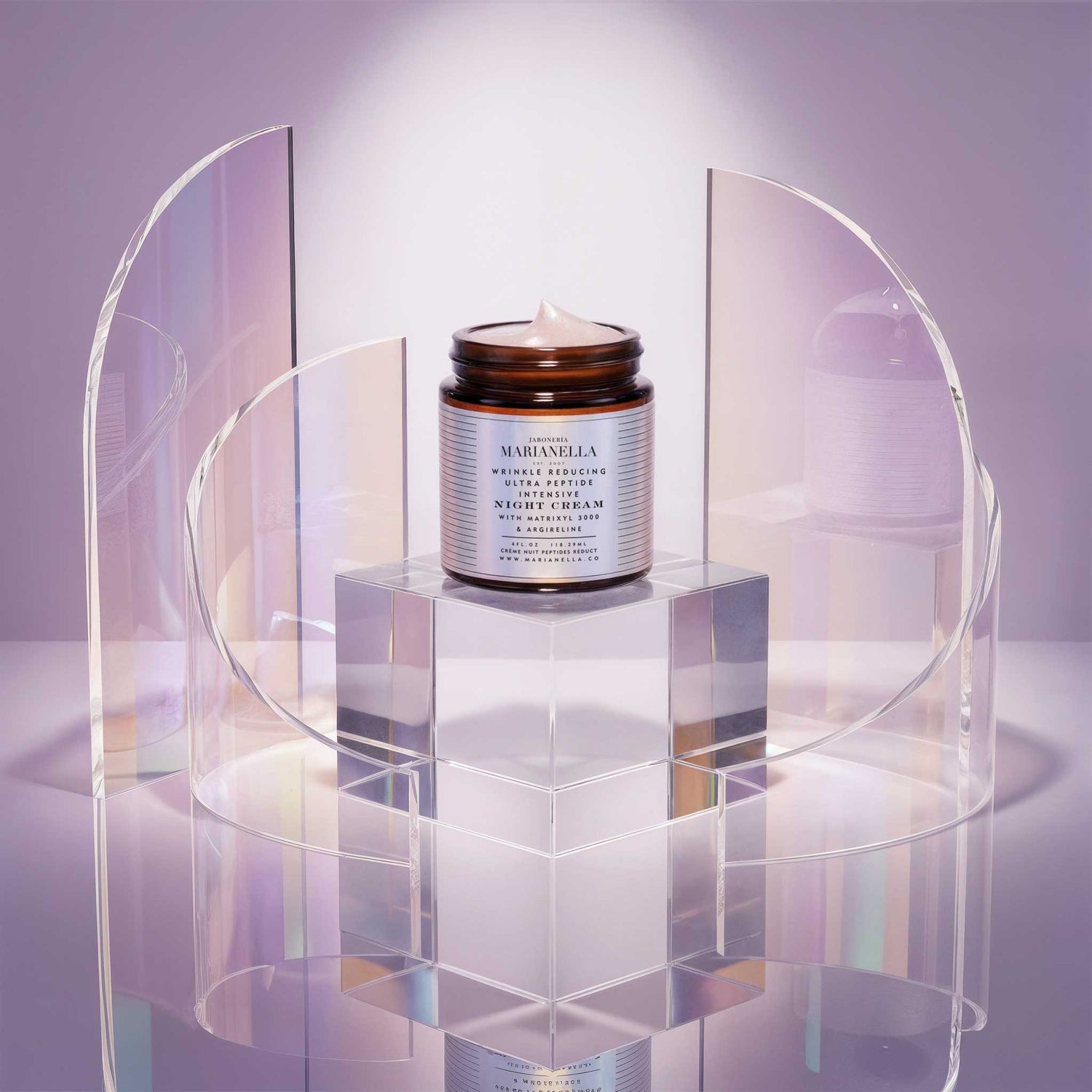
Wrinkle Reducing Ultra Peptide Intensive Night Cream
This intensive night cream combines jojoba oil with peptide technology for a formula aimed at overnight repair and visible line reduction. The wax ester structure of jojoba helps the cream absorb without residue while reinforcing the moisture barrier through the night.
$112 — Wrinkle Reducing Ultra Peptide Intensive Night Cream
The Midnight Youth Potion
A lighter-weight nighttime formula, The Midnight Youth Potion uses jojoba oil as part of its base to support hydration and barrier resilience without a heavy finish.
$50 — The Midnight Youth Potion
How Marianella Approaches Botanical Formulation
Marianella has been handcrafting skincare in Brooklyn since 2007, built on three generations of Venezuelan botanical beauty knowledge passed down through the brand's founder. That 18 years of formulation expertise shapes how ingredients like jojoba oil are chosen and blended, not as trend ingredients but as functional components with a clear role in the final formula.
The brand's small-batch approach across 82 products spanning face, body, and home has earned recognition from Vogue, People Magazine (Star Beauty Award), Oprah, Forbes, and Allure, and the line is now available at Bloomingdale's BEAUTYSPACE alongside its existing retail presence.
How to Use Jojoba Oil in a Skincare Routine
To maximize benefits, apply a small amount to clean, slightly damp skin. The oil absorbs quickly without leaving a greasy residue, making it suitable for both morning and evening use. Layering it into a night cream or serum, rather than using it in isolation, allows the wax esters to work alongside peptides, antioxidants, or other actives for a more complete barrier strategy.
For most routines, nighttime application makes the most sense. Skin's repair processes are most active overnight, and jojoba's barrier-reinforcing structure has time to integrate without interference from sunscreen, makeup, or environmental exposure.
The Bottom Line on Jojoba Oil for Skin in 2026
Jojoba oil skincare benefits are not a matter of trend. The data on TEWL reduction, sebum regulation, and low comedogenicity are consistent across multiple studies and hold up regardless of skin type. Whether the goal is barrier repair, oil control, or simply a lightweight moisturizer that will not clog pores, jojoba oil remains one of the more evidence-backed choices heading into the new year.
Explore how jojoba oil works within Marianella's night formulas, or reach out to the team to find the right fit for your skin.

Hinterlasse einen Kommentar
Diese Website ist durch hCaptcha geschützt und es gelten die allgemeinen Geschäftsbedingungen und Datenschutzbestimmungen von hCaptcha.