


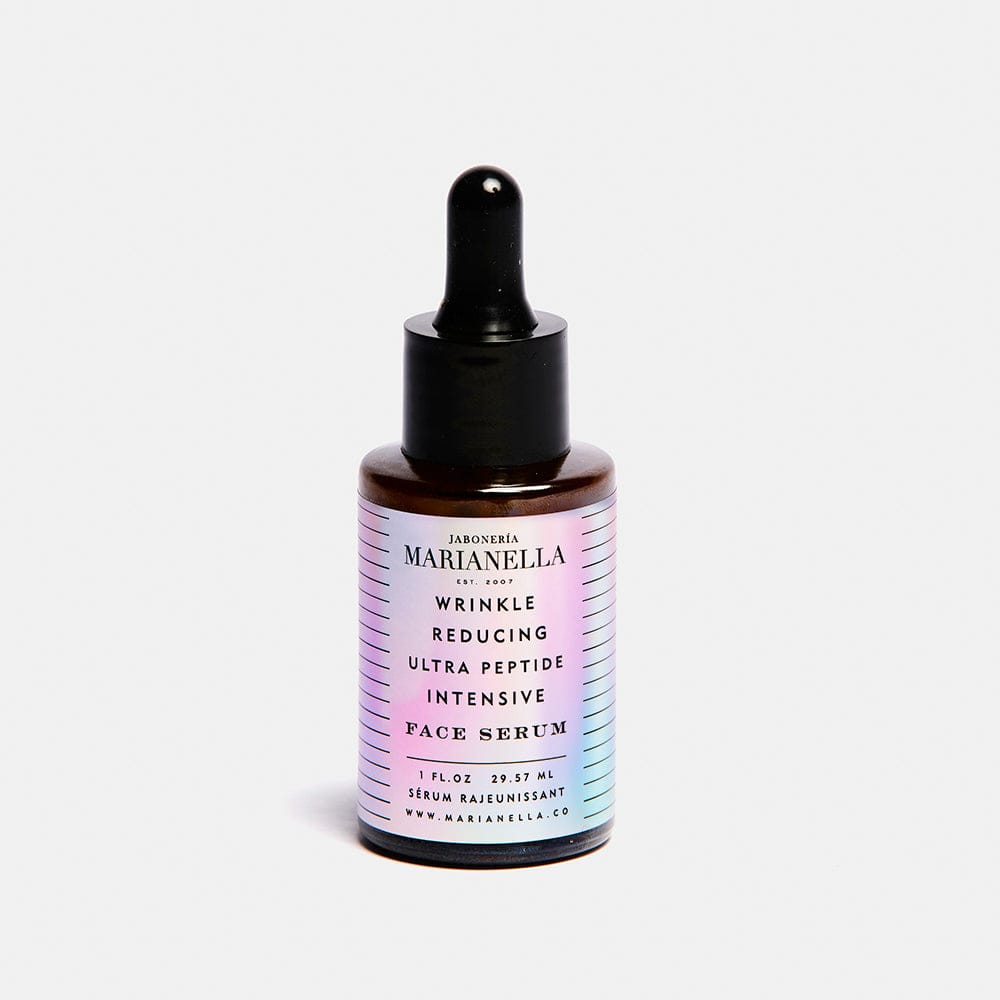
Late evening, two bottles on the bathroom shelf, and one question before the light goes off: peptides or retinol? Prescription tretinoin has the most robust anti-aging data. Over-the-counter retinol is useful, but the evidence is not as strong. Retinol has the longer research record for fine lines, texture and tone, and it can sting along the way. Peptides have less research behind them but it is growing, and they are much easier on skin. The choice usually comes down to what your skin will put up with night after night. For a lot of people, the answer is both.
Peptides vs retinol: what each one does in skin
How retinol works
Retinol is a form of vitamin A that skin has to convert before it does anything. Over-the-counter retinol must be converted by skin enzymes (retinol to retinaldehyde to retinoic acid) to become active. Once converted, its benefits stem from retinol's ability to stimulate fibroblasts and reduce collagen-degrading enzymes. Strength varies a lot from bottle to bottle: the amount of retinol approved for inclusion in topical cosmetics applications spans a wide range of concentrations (0.05%–1%).
How peptides work
Peptides are short chains of amino acids, and they work as signals. In skin care they are amino acid chains that signal skin to produce moisture/proteins. The research is catching up. A 2025 systematic review and meta-analysis of 19 randomized controlled trials found that both oral and topical peptides demonstrated meaningful improvements in skin hydration, elasticity, and the reduction of wrinkles.
Peptides vs retinol benefits: what the research shows
Fine lines and wrinkles
On deeper lines, the retinoid family has the longer track record. For deep, photoaged wrinkles, retinoids, especially prescription tretinoin, have the stronger clinical track record. Peptides have done well in head-to-head trials, though. One 8-week, randomized, parallel-group study was conducted in 196 participants with moderate to moderately severe wrinkles around the eyes, comparing a cosmetic regimen against prescription 0.02% tretinoin. That cosmetic regimen combined niacinamide, peptides and 0·3% retinyl propionate, and both tretinoin and a peptide regimen improved facial wrinkles after 8 weeks, with the peptide regimen showing greater improvement in that trial. A newer trial tested a cyclized collagen peptide directly against retinol and concluded that it is more potent than retinol in improving skin aging-related symptoms, especially for long-term use.

|
$120 |

|
$160 |
Comfort, irritation and sensitive skin
This is where the peptides vs retinol benefits split most clearly. Retinol induces skin irritation in many individuals, including erythema, stinging, and desquamation, which shows up as redness, sting and flaking. Peptides are generally associated with fewer irritation-related side effects than retinol, which makes them easier to keep in a routine. That matters because an ingredient only works if you keep using it, and a sting at bedtime is how bottles end up at the back of the drawer.
How long each takes
Formulas have improved. A pooled analysis of six vehicle-controlled studies on 0.1% stabilized retinol found that retinol induced greater improvements from baseline in all signs of photoaging vs vehicle as early as week 4 and through 12 weeks of application. The peptide regimen above showed its results at eight weeks. Both reward patience, so plan on a season of use, not a week.
Peptides vs retinol in serums, lotions, soaps and body oils
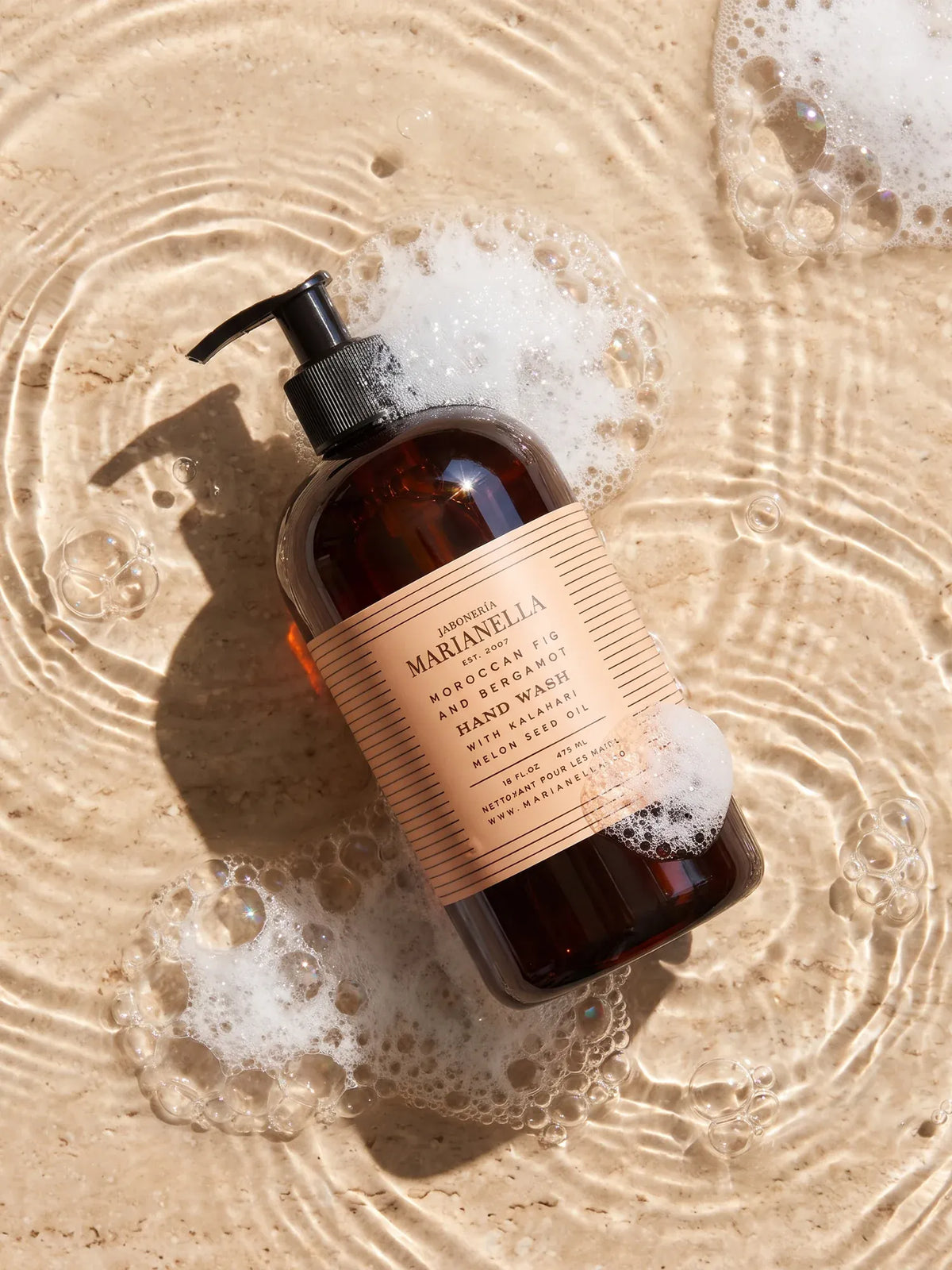
The trials above tested products that stay on facial skin: serums, creams and lotions. A soap or wash is rinsed off within moments, so the leave-on format is where peptides and retinol have time to work. When you compare peptides vs retinol across serums, soaps, lotions and body oils, start with what stays on the skin longest, and put your money there.
Can you use peptides and retinol together?
Yes. The regimen that held its own against tretinoin was a combination of both. One clinical view sums it up: a clinical protocol combining broad-spectrum sunscreen, a retinoid, and collagen-supporting peptides is the most evidence-backed approach to managing the aging process. If retinol stings your skin, peptides let you keep going on the nights you skip it.
The best peptides vs retinol products in 2026 for your evening routine
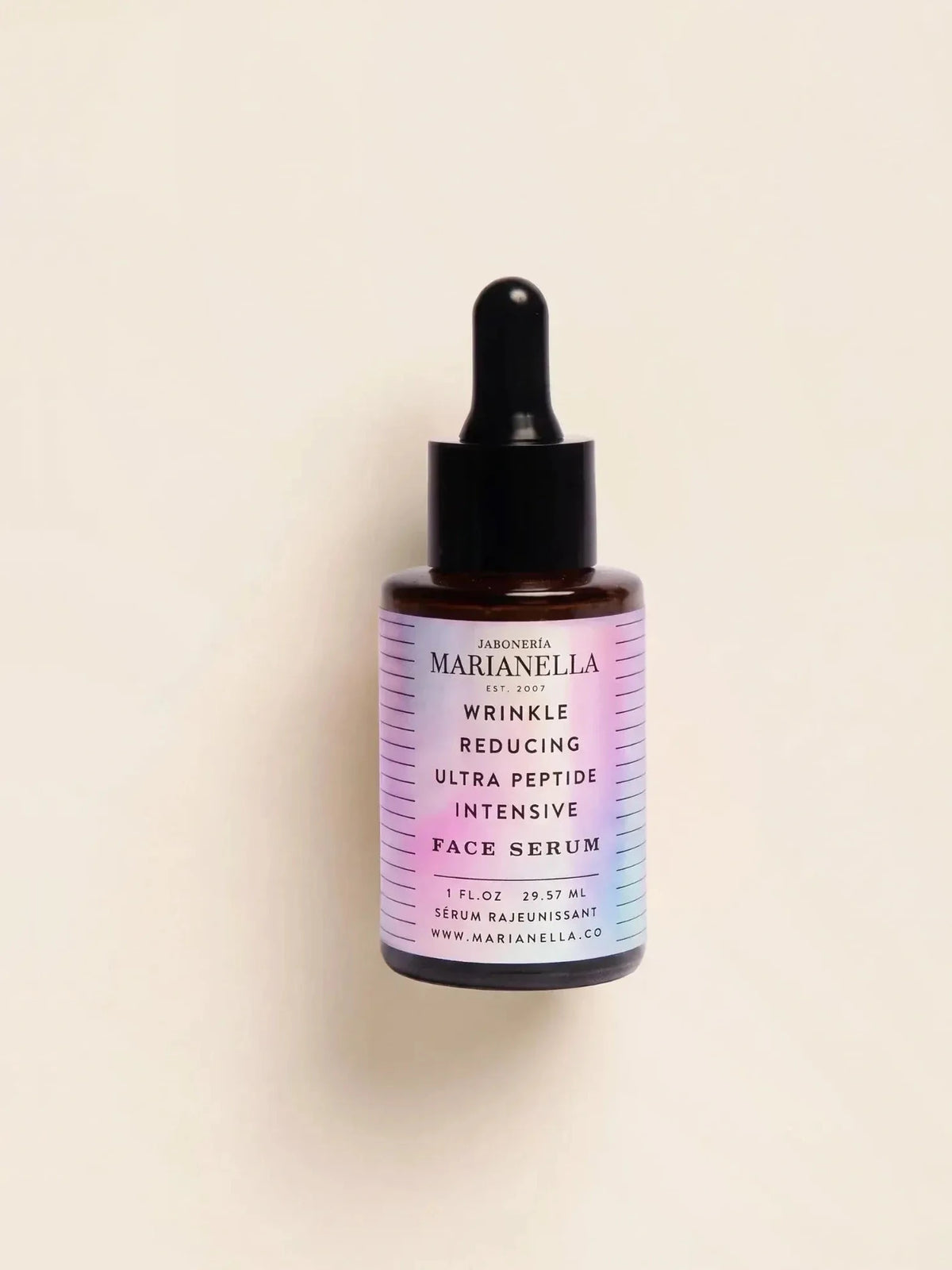
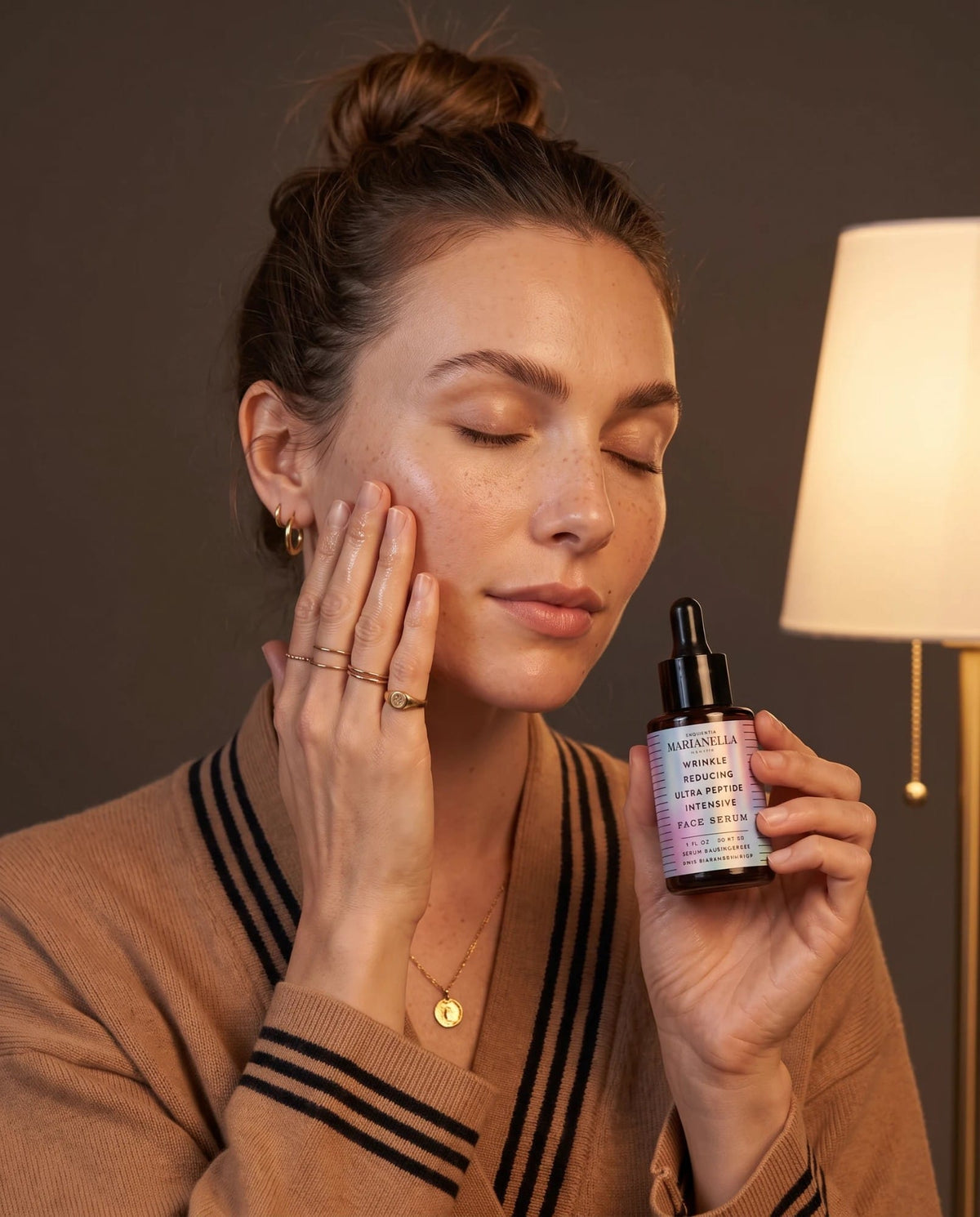
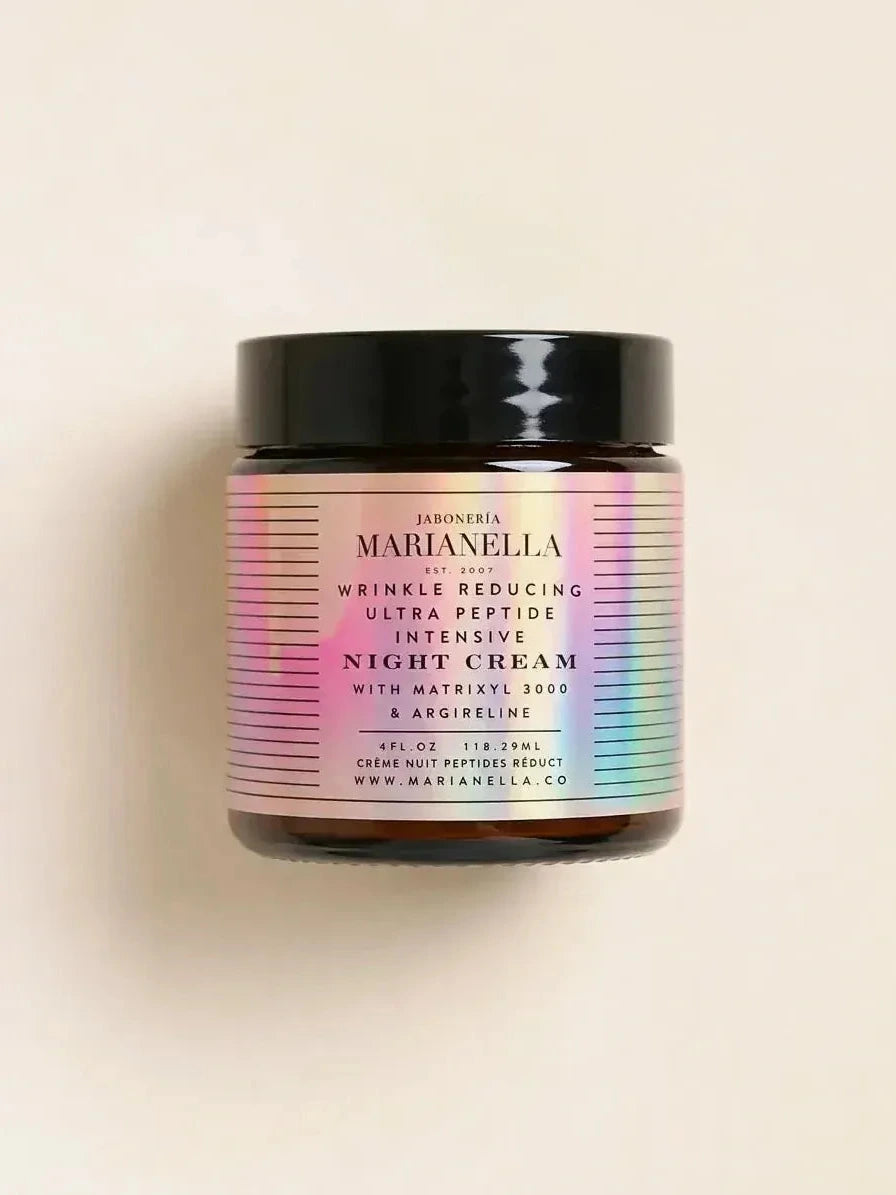
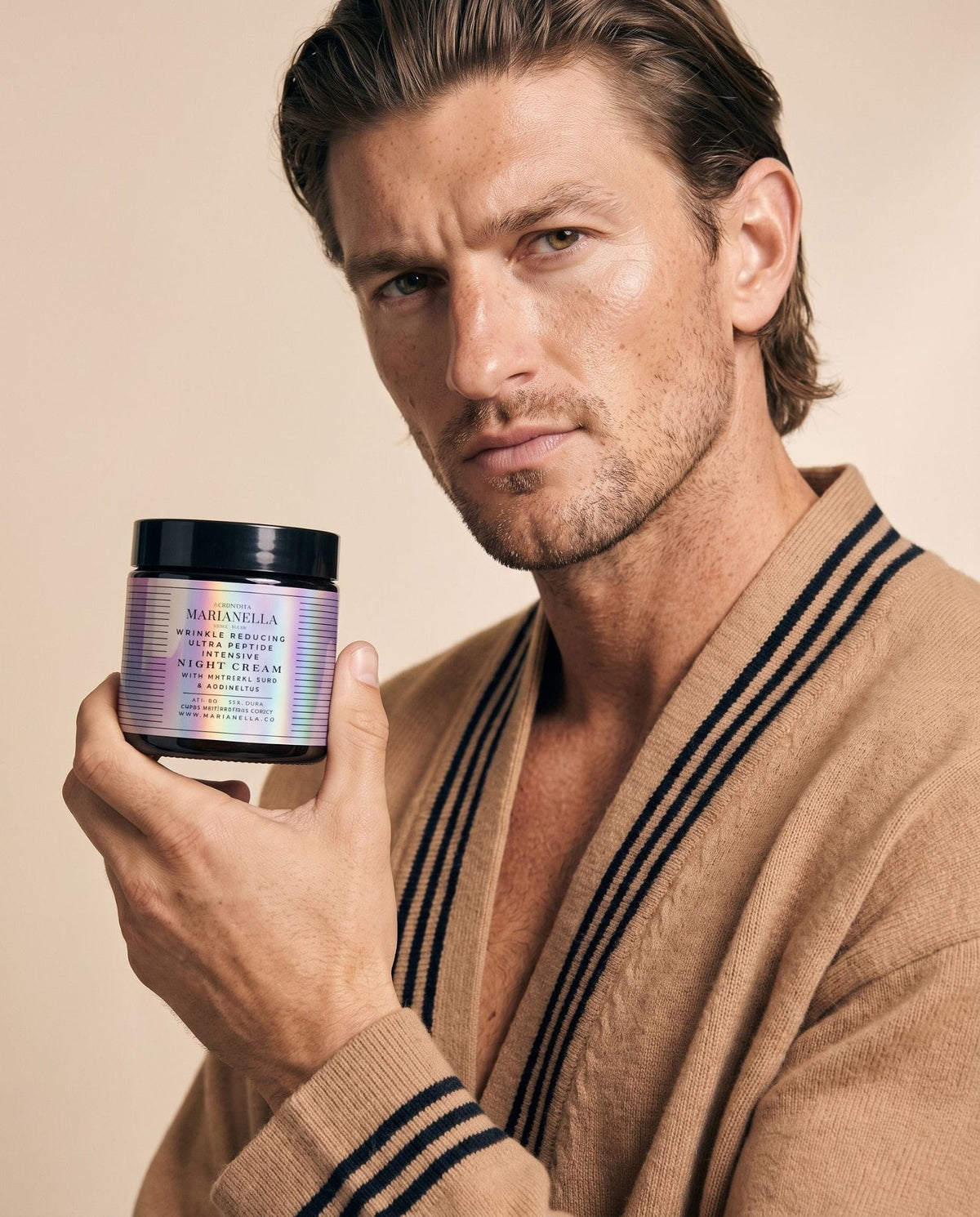
When choosing the best peptides vs retinol products in 2026, look at how your skin feels as well as what is on the label. Our Wrinkle Reducing Ultra Peptide Intensive Face Serum ($120) goes on first, after cleansing, while skin is still bare. [Product fact: the serum's lead peptide and how it feels on skin.] Our Wrinkle Reducing Ultra Peptide Intensive Night Cream ($160) goes on last, and it does its work while you sleep. [Product fact: the night cream's texture and what skin is like by morning.] Used together, they are our answer to the question on the shelf, and the kind of routine that is easy to keep.
The Wrinkle Reducing Ultra Peptide Intensive Face Serum ($120) and Night Cream ($160) are both available on our website.
FAQ
Is retinol stronger than peptides?
For deep, sun-related wrinkles, retinoids have the larger body of evidence, and most of it comes from prescription tretinoin, not over-the-counter retinol. Peptides have less research, but some peptide formulas have matched or beaten retinoids in head-to-head trials.
Are peptides better than retinol for sensitive skin?
Generally, yes. Retinol commonly causes redness, stinging and flaking. Peptides are associated with fewer irritation-related side effects, so they are easier to use every night.
Can I use peptides and retinol in the same routine?
Yes. A regimen combining peptides with a gentle retinoid improved wrinkles more than prescription tretinoin in an 8-week trial. Many experts recommend pairing a retinoid and peptides with daily sunscreen.
How long do peptides vs retinol take to show results?
In pooled studies, 0.1% stabilized retinol improved signs of photoaging from week 4 through week 12. The peptide regimen in the tretinoin comparison showed its results at week 8. Expect to wait weeks, not days, with either.
Do Marianella's Ultra Peptide serum and night cream contain retinol?
[Product fact: whether either formula also contains a retinoid, and if so which one.]


















Hinterlasse einen Kommentar
Diese Website ist durch hCaptcha geschützt und es gelten die allgemeinen Geschäftsbedingungen und Datenschutzbestimmungen von hCaptcha.