


This morning's green tea came from the leaf. Green tea seed oil comes from the same plant, Camellia sinensis, but from its seed. Pressed, the seed gives an oil that does what the cup can't: it softens skin, helps it hold on to moisture and brings antioxidants with it. Those are the main green tea seed oil benefits, and they're why the oil turns up in serums, soaps, lotions and body oils. It's the right ingredient for the time of year when the heating comes on and skin feels tight by evening.
What Is Green Tea Seed Oil?
The seed holds a lot of oil. The oil content of tea seeds is 20% to 30%, and the fatty acids are mainly oleic, linoleic, palmitic, and stearic acids, accounting for more than 90% of the total fatty acids. Overall, the content of unsaturated fatty acids (UFA) in TSO is as high as 75% to 85%.
The balance between those fatty acids is what sets this oil apart. In one comparison, green-tea seed oil was typical oleic-linoleic-oil with 52.13% oleic acid and 24.32% linoleic acid level, whereas oil-tea seed oil was typical oleic-oil with very high oleic acid level (73.67%). Green tea seed oil is related to camellia oil, but it has a larger share of linoleic acid, and that's the fatty acid skin misses most in winter.
Green Tea Seed Oil Benefits for Skin
It softens skin and helps it keep moisture
Researchers describe tea seed oil as a typical non-drying oil with good skin care and moisturizing effects that is suitable for the skin. Linoleic acid does most of this work. It can improve skin moisture retention, promote skin metabolism, and soften the stratum corneum. In practice, that's the difference between skin that feels comfortable all evening and skin that feels tight again within an hour of washing.
It carries antioxidants
Green-tea seed oil was a new oil resource which is rich in α-tocopherol, the form of vitamin E. In the lab, TSO had high content of unsaturated fatty acids (UFA) and good skincare properties, such as anti-oxidation, anti-ultraviolet, moisturizing, whitening, and bacteriostasis. These were cell studies, not studies on faces, and they're best read as early evidence.
What the 2026 research adds
A new clinical study looked at a fermented version of the oil. In a double-blind, randomized, half-face controlled clinical trial, 25 participants with sensitive skin used a moisturizer containing 5% fermented tea seed oil or a base moisturizer for 4 weeks. The participants showed significant improvements in skin hydration, redness reduction and facial wrinkles. The study was small, and fermented oil isn't the same as the pressed oil, but it's a clear sign of where research on this ingredient is going.
Green Tea Seed Oil vs. Green Tea Extract
They come from the same plant but do different jobs. Green tea extract is made from unfermented leaves of the plant Camellia sinensis and is rich in polyphenols (catechins), which are potent antioxidant flavonoids. The seed oil is a lipid. It sits in the skin's outer layer and softens it. The extract is the antioxidant from the leaf. The oil does the moisturizing. A product can contain both, and it's worth checking the label to see which one you're getting.
Green Tea Seed Oil in Serums, Soaps, Lotions and Body Oils
Serums
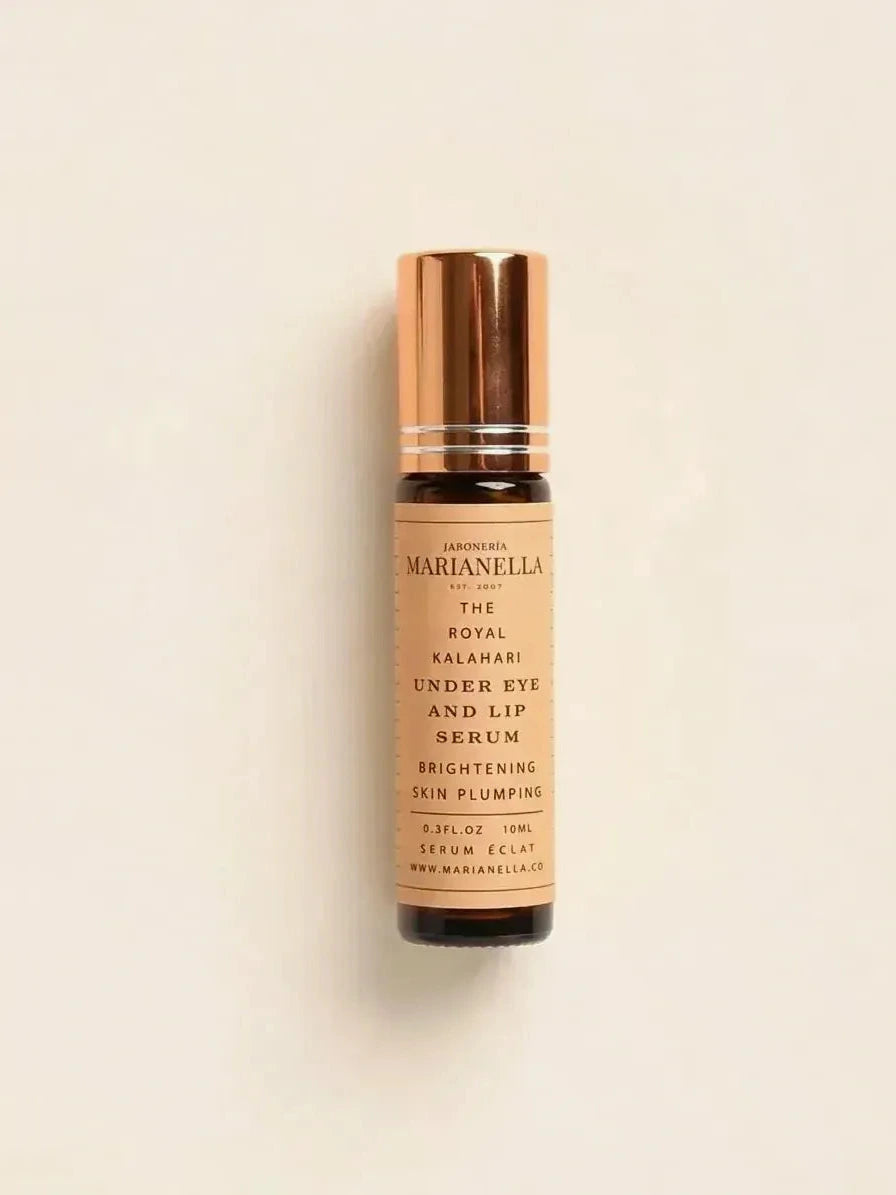
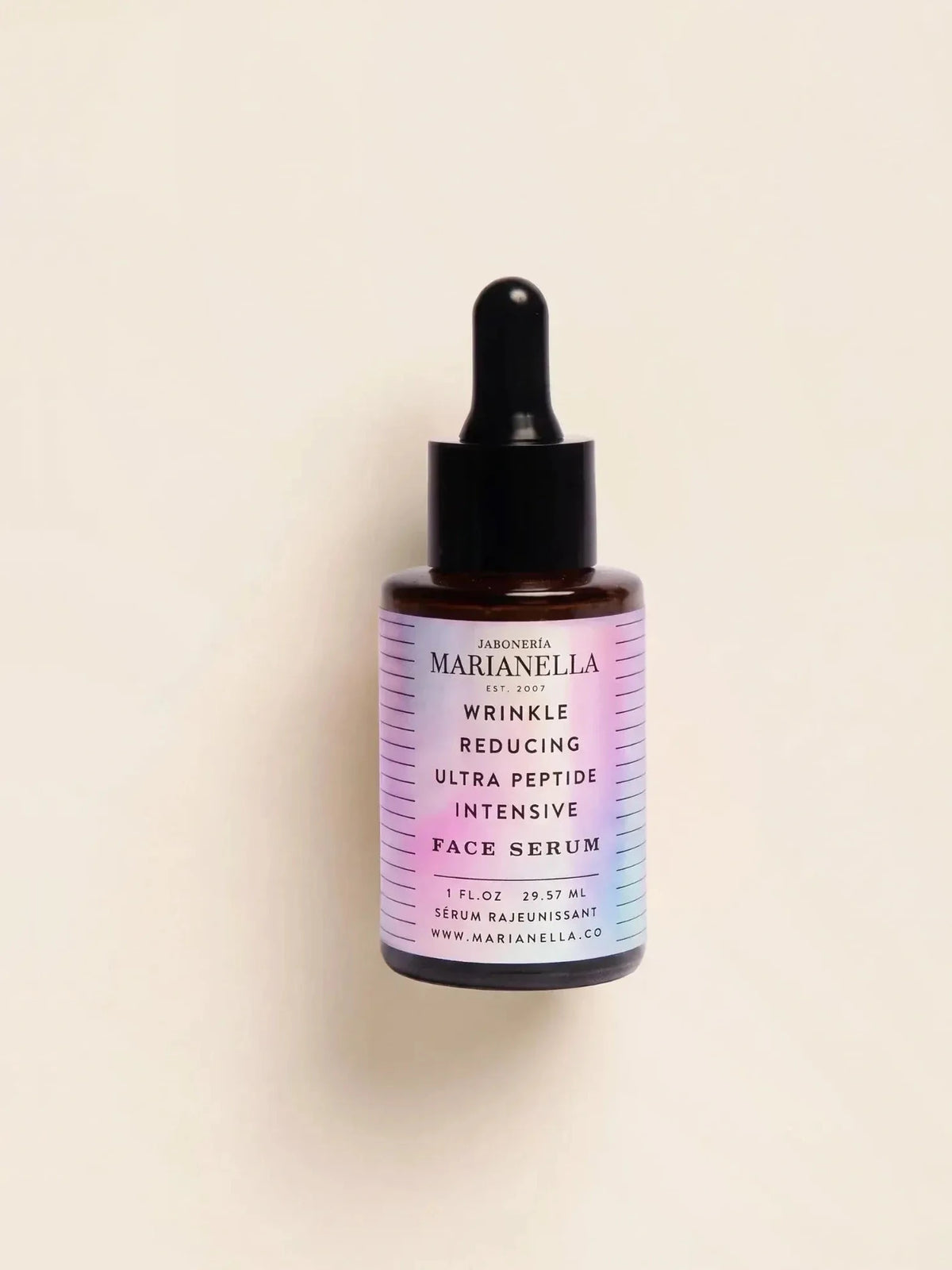
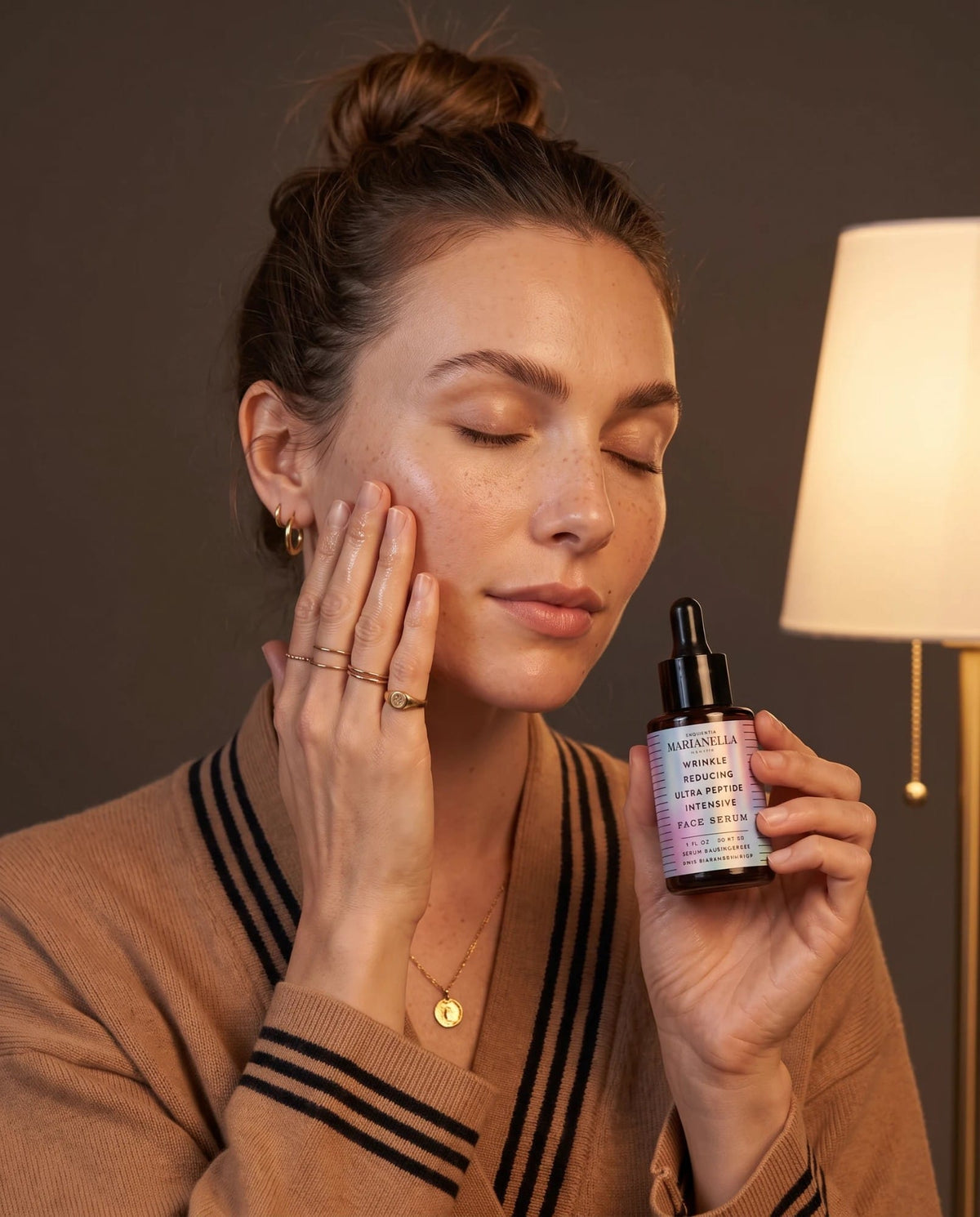
In a serum, the oil is a light layer that leaves skin soft. It's absorbed rather than left sitting on top. [Marianella serum with green tea seed oil, name], [price].
Soaps
Soap only stays on skin for a short time, so what you notice is how your hands feel after rinsing: soft rather than dry. [Marianella soap with green tea seed oil, name], [price].
Lotions
Lotions are where the oil's moisture-holding role works hardest, because it's spread over arms and legs that have been under wool all day. [Marianella lotion with green tea seed oil, name], [price].
Body oils
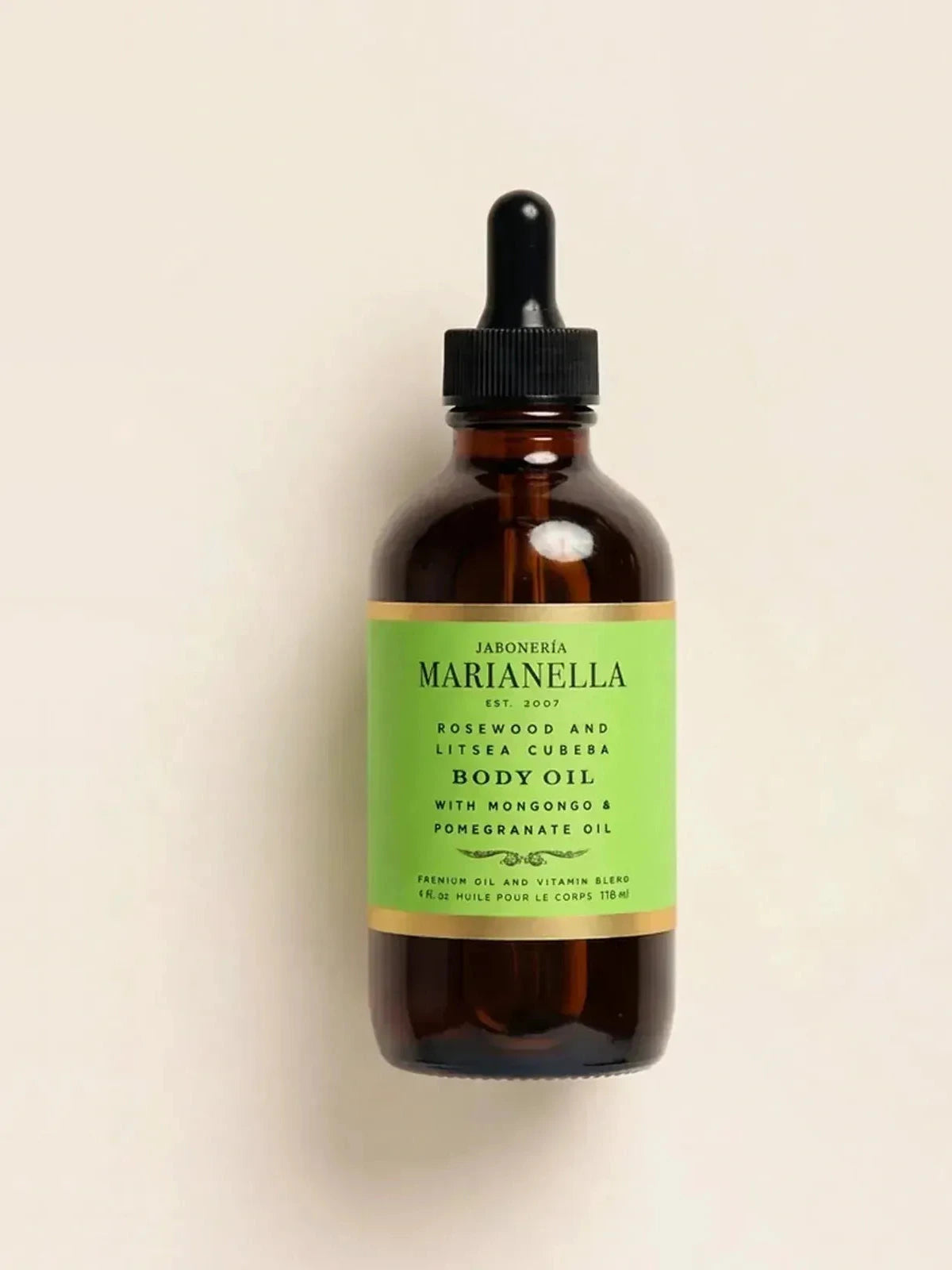
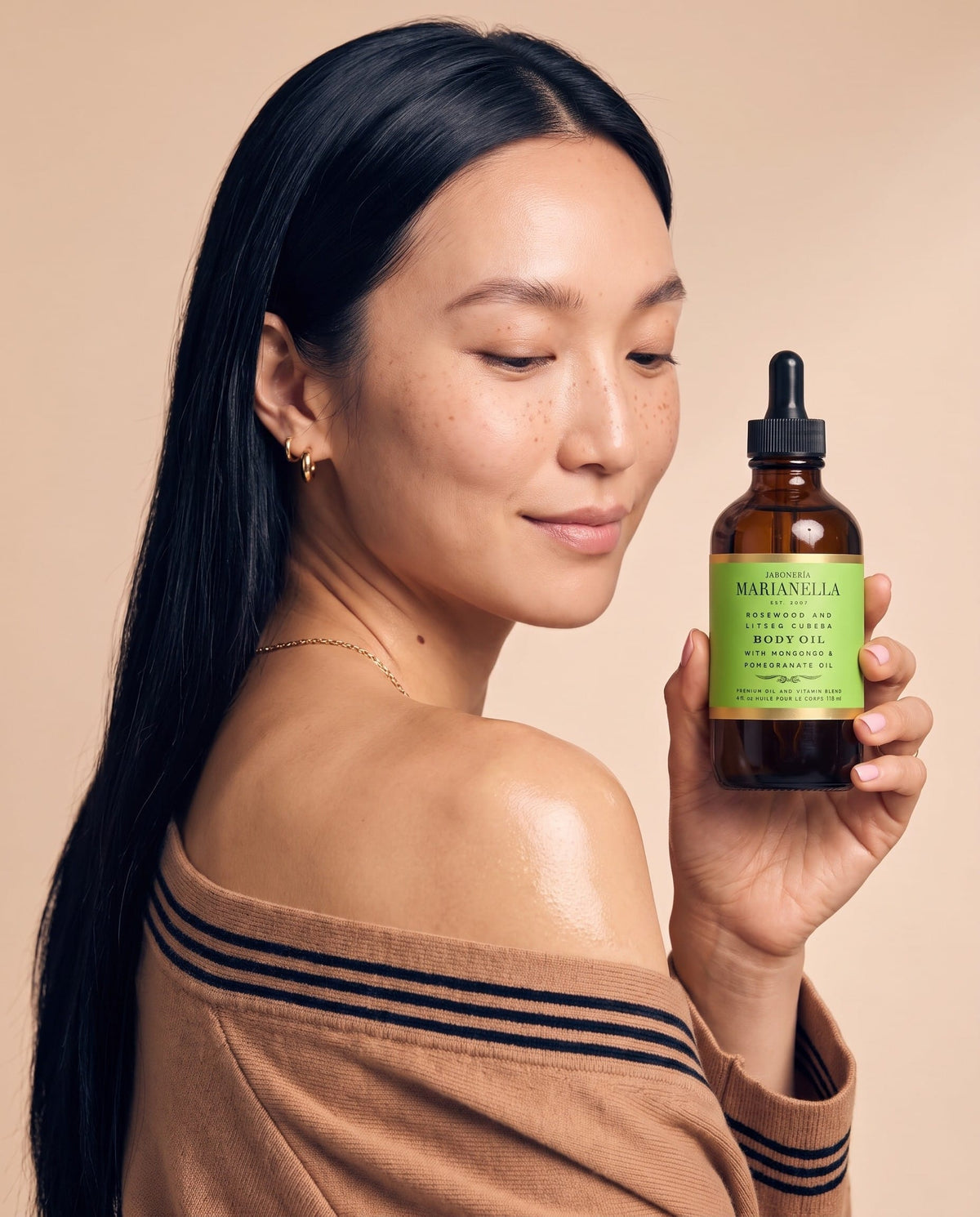
A body oil sits by the bath for weeks, so stability matters. Lab tests found that the oxidative stability of two kinds of tea seed oils were preferable. [Marianella body oil with green tea seed oil, name], [price].
How to Choose the Best Green Tea Seed Oil Products in 2026
First, check the plant name on the label. Camellia sinensis is green tea. Camellia oleifera is a different oil with a different fatty acid balance. Second, origin matters. The oil content and fatty acid composition of tea seeds in different regions are different (Liu et al. 2016), resulting in different biological activities of TSO as a skin care oil. The best green tea seed oil products in 2026 say which plant they use and put the oil where it can do its job.
Our products are made in Brooklyn and carried at Bloomingdale's BEAUTYSPACE. Every formula is built around what skin needs at the end of a long day.
See our green tea seed oil products, [names and prices], in our shop.
FAQ
Is green tea seed oil the same as camellia oil?
They're related but not the same. "Camellia oil" can come from several Camellia species. Green tea seed oil comes only from Camellia sinensis and has more linoleic acid than oil from Camellia oleifera, which is mostly oleic acid.
Is green tea seed oil good for sensitive skin?
Early evidence is encouraging. In a small 2026 trial, a moisturizer with 5% fermented tea seed oil improved hydration and reduced redness in people with sensitive skin over four weeks. If you're unsure, patch-test any new product first.
Does green tea seed oil contain the same antioxidants as green tea?
Not quite. The catechins associated with green tea come from the leaf. The seed oil's main antioxidant is α-tocopherol, a form of vitamin E, alongside its fatty acids.
What are the best green tea seed oil products in 2026?
Look for products that name Camellia sinensis on the label and that use the oil in the right format for your routine: a serum for the face, a lotion or body oil for the body, a soap for hands. Ours include [product names and prices].


















Hinterlasse einen Kommentar
Diese Website ist durch hCaptcha geschützt und es gelten die allgemeinen Geschäftsbedingungen und Datenschutzbestimmungen von hCaptcha.