


By late October the heat is back on indoors, and by evening skin feels it: shins catching on wool, knuckles gone tight and pale after the day's last wash. That dryness is where Kalahari melon seed oil's benefits matter most. The oil is pressed from the seeds of a wild desert melon and is made up mostly of linoleic acid, an omega 6, polyunsaturated essential fatty acid which is critical for cell biology but cannot be made by the human body. In a clinical study, it's been shown to "reduce TEWL" (that's Trans Epidermal Water Loss, aka the evaporation of moisture from the layers of the skin) and help skin retain moisture, and the same work found that Kalahari melon oil seed is non-irritant to human skin.
What is Kalahari melon seed oil?
Kalahari melon seed oil is extracted from the seeds of Citrullus lanatus, a wild ancestor of the modern watermelon, native to the Kalahari Desert in southern Africa. It also goes by other names, including Kalahari oil or Ootanga oil. It is still uncommon in skincare, appearing in approximately 0.3% of formulated products.
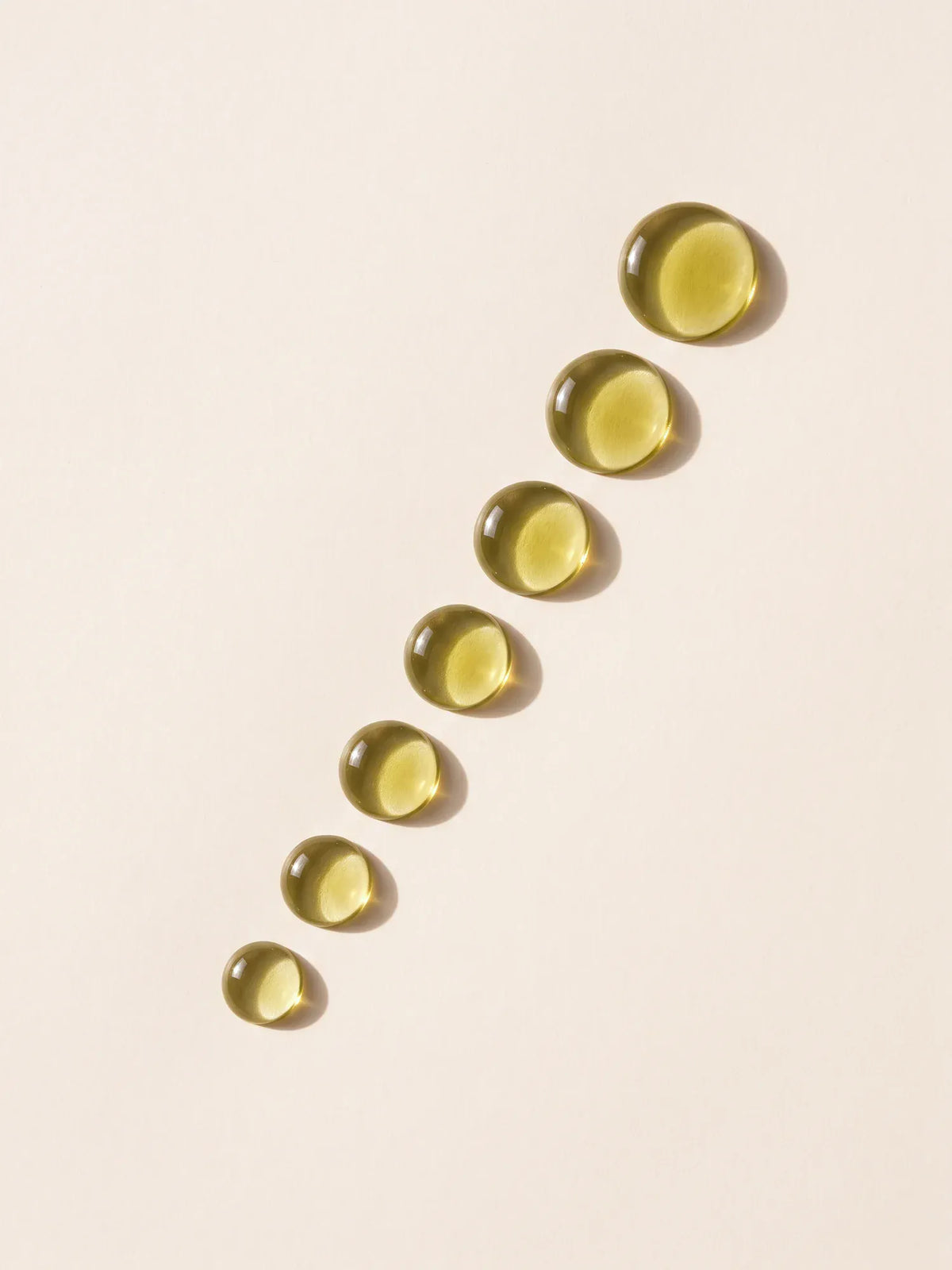
One detail says a lot about how it feels. Researchers measured the melting point of the oils extracted was in the range of −18.7 °C to −17.5 °C. That means it stays fluid even in the coldest bathroom in January, and on skin it feels light rather than waxy.
Kalahari melon seed oil benefits, according to the research
It helps skin hold on to its water
Dry skin is skin losing water faster than it can replace it. In the skin, linoleic acid integrates within the skin cell wall structure, where it functions as an essential building block for the production of ceramides, crucial components of the epidermal barrier. The 2017 clinical assessment found that the oil exhibits moisturising and hydrating properties.

|
$42 |

|
$36 |

|
$48 |

|
$46 |
It is mostly linoleic acid, though how much varies
In the clinical study, linoleic acid is present in a high percentage (51.4%). Another analysis found the predominant fatty acids in the extracted oils were linoleic acid (62.2–63.1%), with some oleic (16.8–17.1%), palmitic (11.4–12.4%), stearic (7.5–8.1%). Oils from different sources differ a lot. Across 22 samples, researchers found linoleic acid being the major fatty acid ranging from 48.8 – 72.5%, so where the oil comes from and how it is pressed both matter.
It carries its own vitamin E
A study of Namibian seed oils found that the dominant tocopherol was γ-tocopherol with total tocopherol in the range 27.61–74.39 mg/100 g. That vitamin E is also why the oil keeps well. Oils this high in polyunsaturated fats usually go off quickly, but this one stays stable primarily because it contains vitamin E, and these high values provide antioxidant properties and a long shelf life for industrial, pharmaceutical and cosmetic purposes.
It is gentle enough for every day
The researchers tested irritation directly and found none. That is why the oil works on skin that gets washed, scrubbed and shaved, sometimes all in the same morning.
Kalahari melon seed oil in serums, soaps, lotions and body oils
The same oil does a different job in each format, and the difference is how long it stays on you.
In soaps and scrubs, nearly everything rinses away. The oil is what's left behind. That's why a wash with Kalahari melon seed oil in it leaves skin comfortable rather than squeaky, even when hands go under the tap a dozen times a day.
In lotions, serums and gels, the oil sits inside a lighter base and spreads thinly, so skin gets its fatty acids without a heavy layer on top.
In body oils and beard oils, it is the main thing on your skin, and its lightness is the point. It goes on, sinks in, and leaves sleeves and collars clean.
The best Kalahari melon seed oil products of 2026, from our shelves
We make every one of these in Brooklyn, and each puts the oil to work in a different way.
Hawaiian Black Lava Body Caviar Body Scrub with Charcoal, $48
The Hawaiian Black Lava Body Caviar is a scrub for the dull end of the week. Sea salt and organic sugar lift away the tired surface, coffee bean is in the mix, and charcoal turns the whole jar black. When you rinse, the grains go down the drain and the Kalahari melon seed oil stays on your skin, so it comes out of the shower nourished rather than stripped.
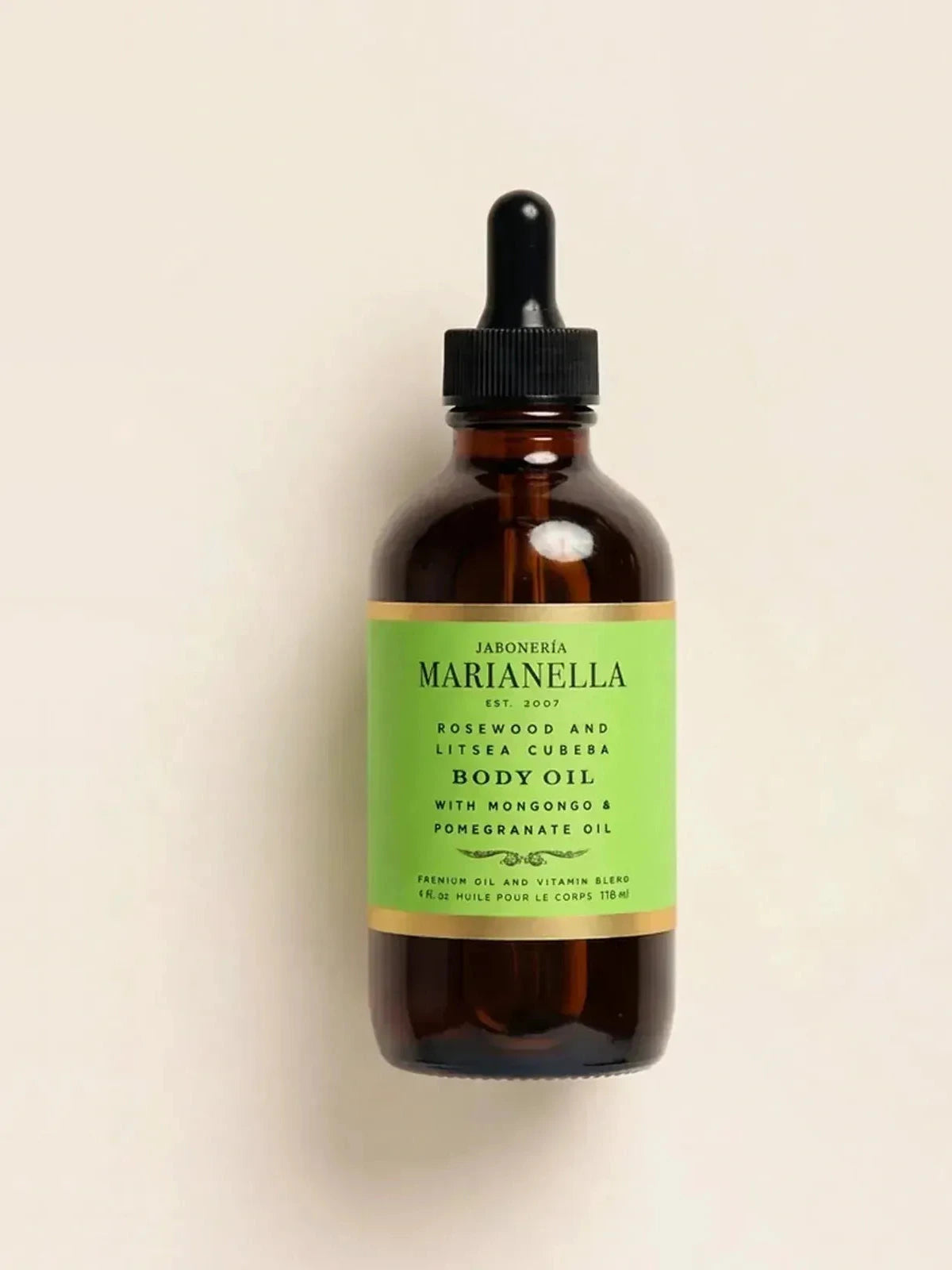
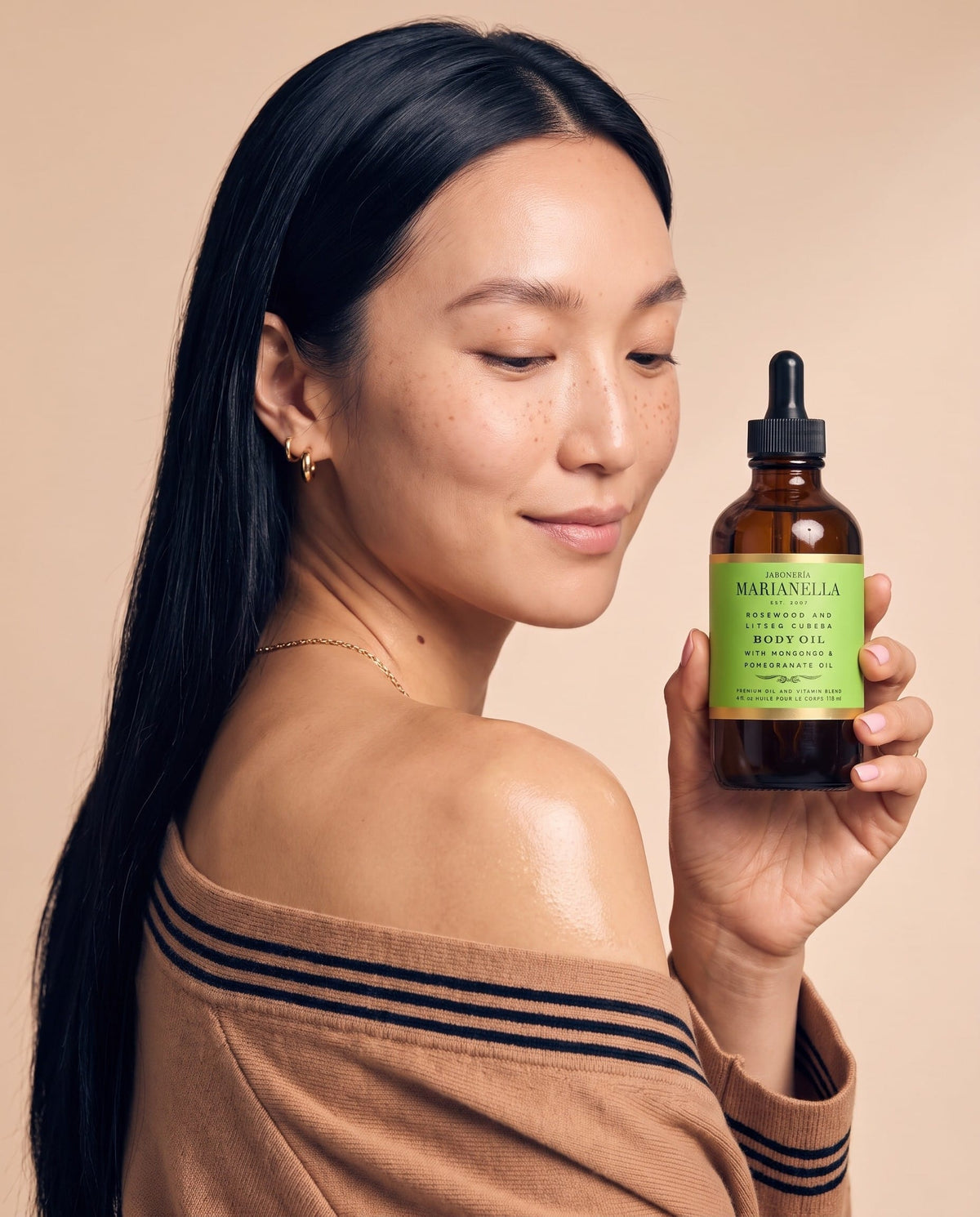
New Imperial Jade Body Oil, $46
The Imperial Jade Body Oil is our newest way to wear the oil: straight onto damp skin after the shower, before the heating has a chance to dry it out. [Scent and key ingredients of the Imperial Jade Body Oil, from its Product Bible]
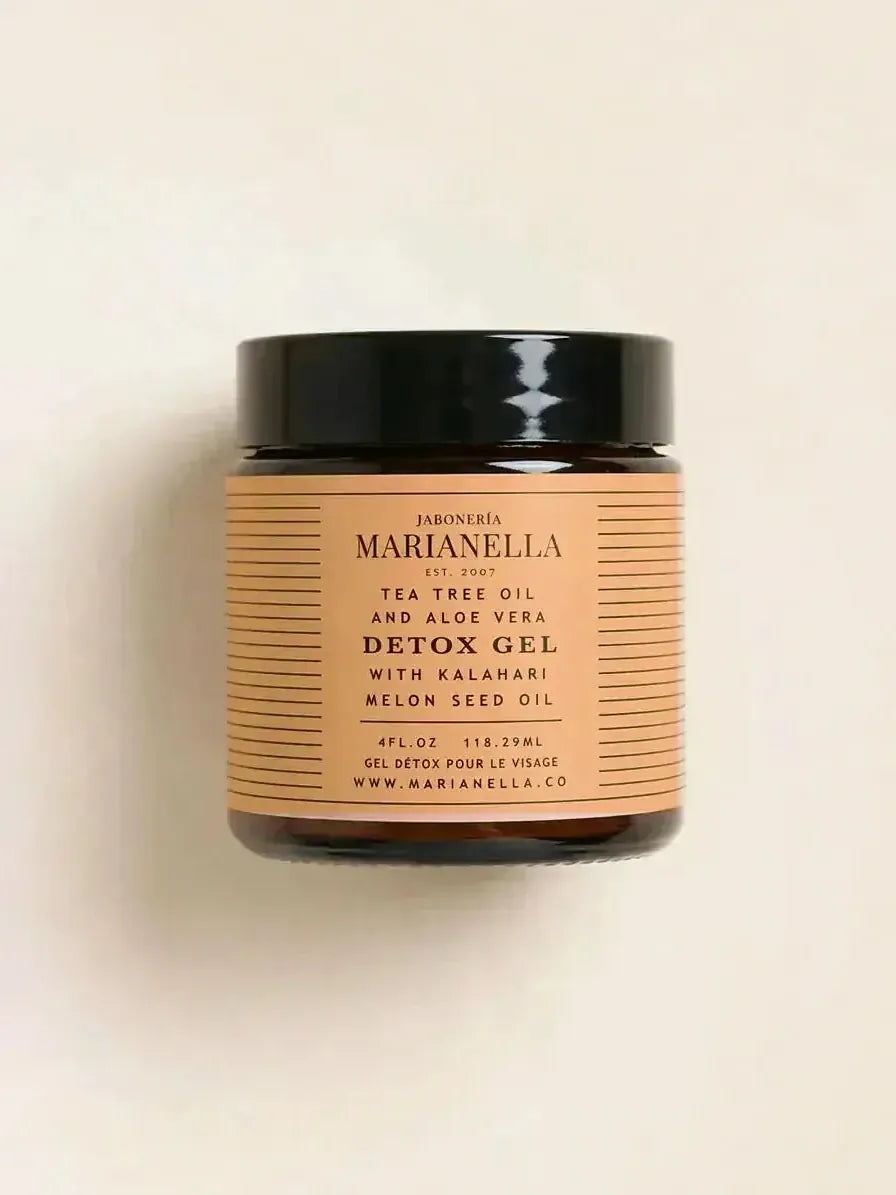
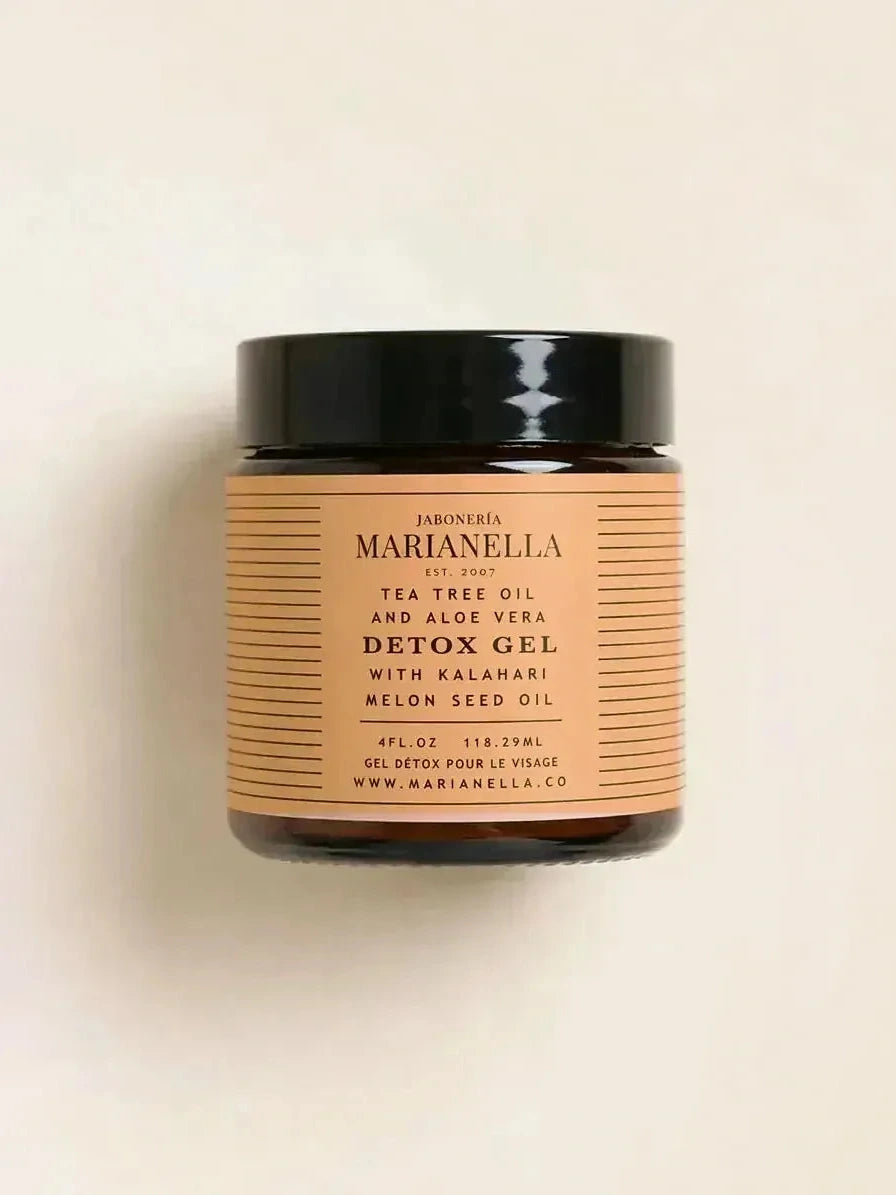
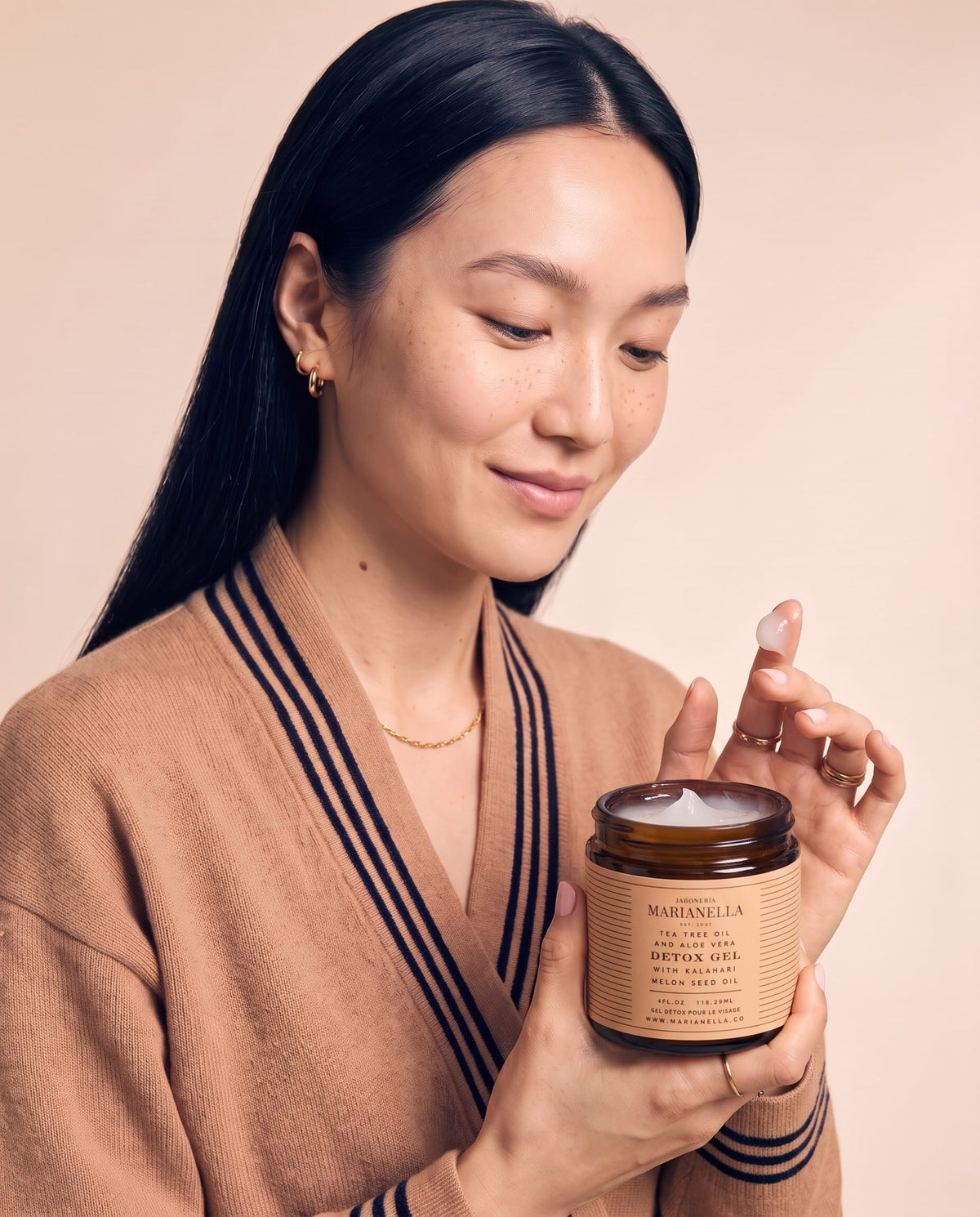
Detox Gel now with Kalahari Melon Seed Oil, $42
Our Detox Gel now has Kalahari melon seed oil in its formula, so the gel's light texture also carries the oil's fatty acids. [Where the Detox Gel is used and what it does, from its Product Bible]
GRR Oil Beard Oil, $36
The GRR Oil Beard Oil is made for men and for the beard they actually keep, with the oil going where the beard meets the skin. [Scent and how much to use, from its Product Bible]
For the sink: Hydrating Hand Wash and Hand Cream
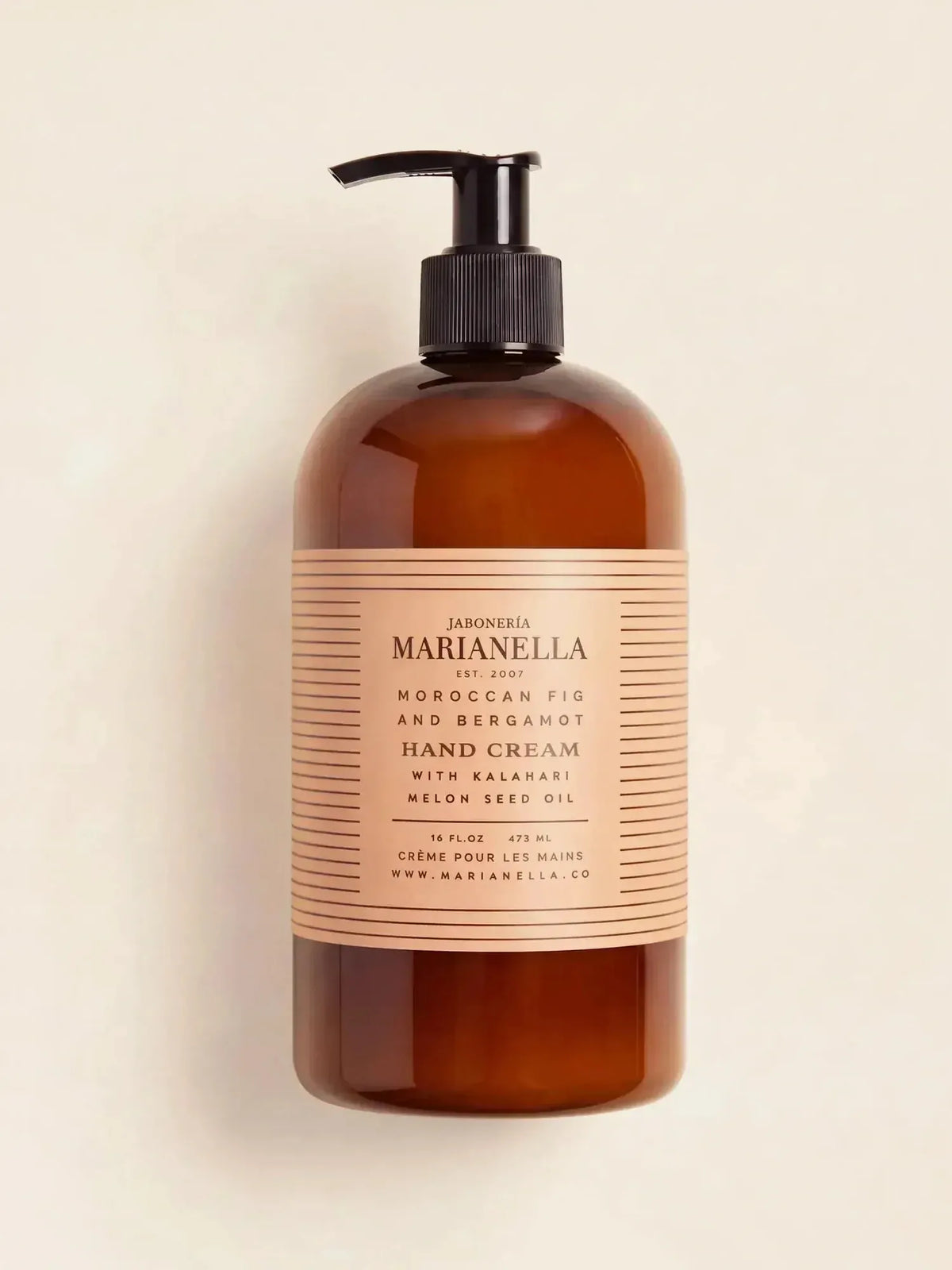
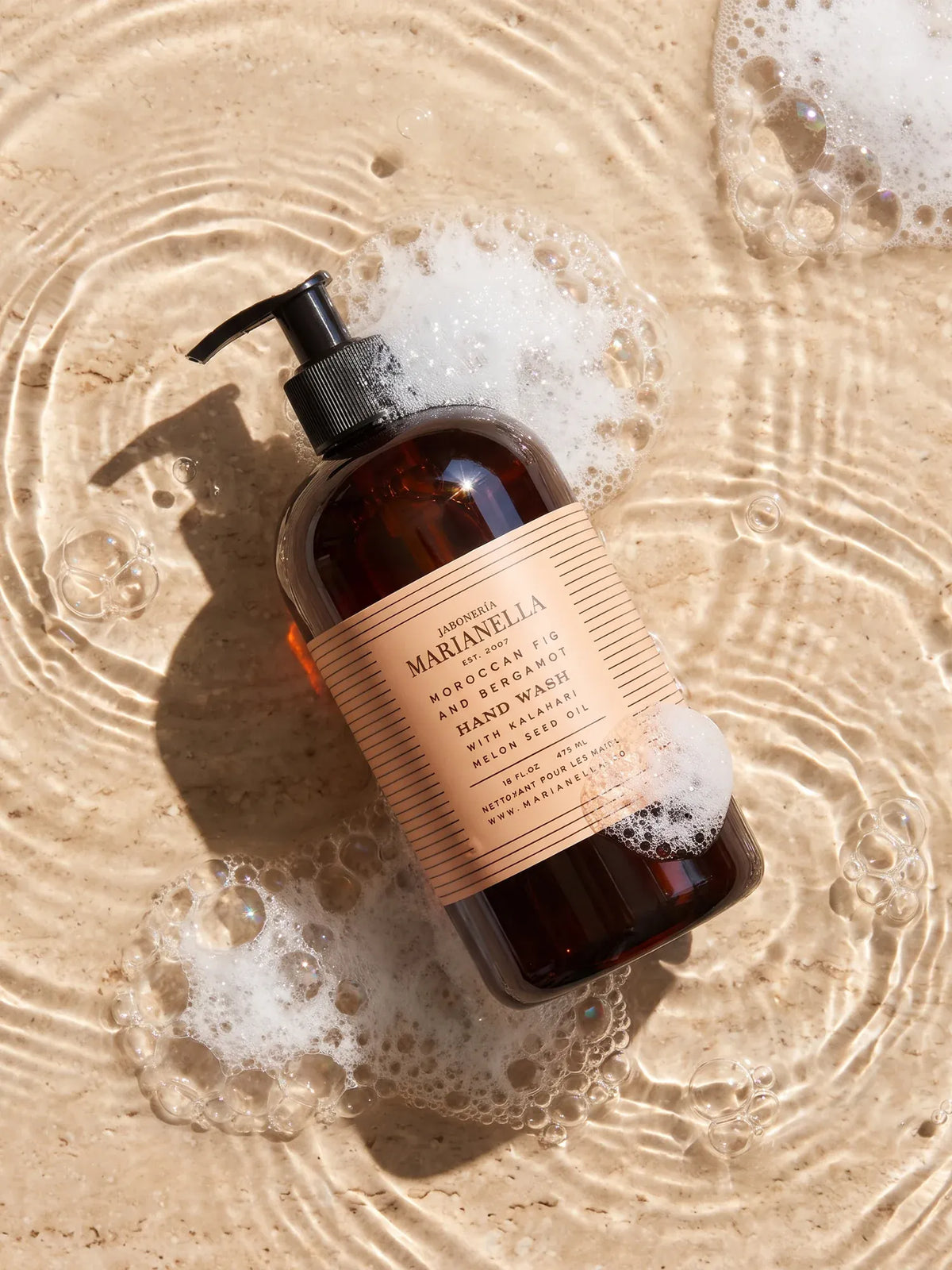
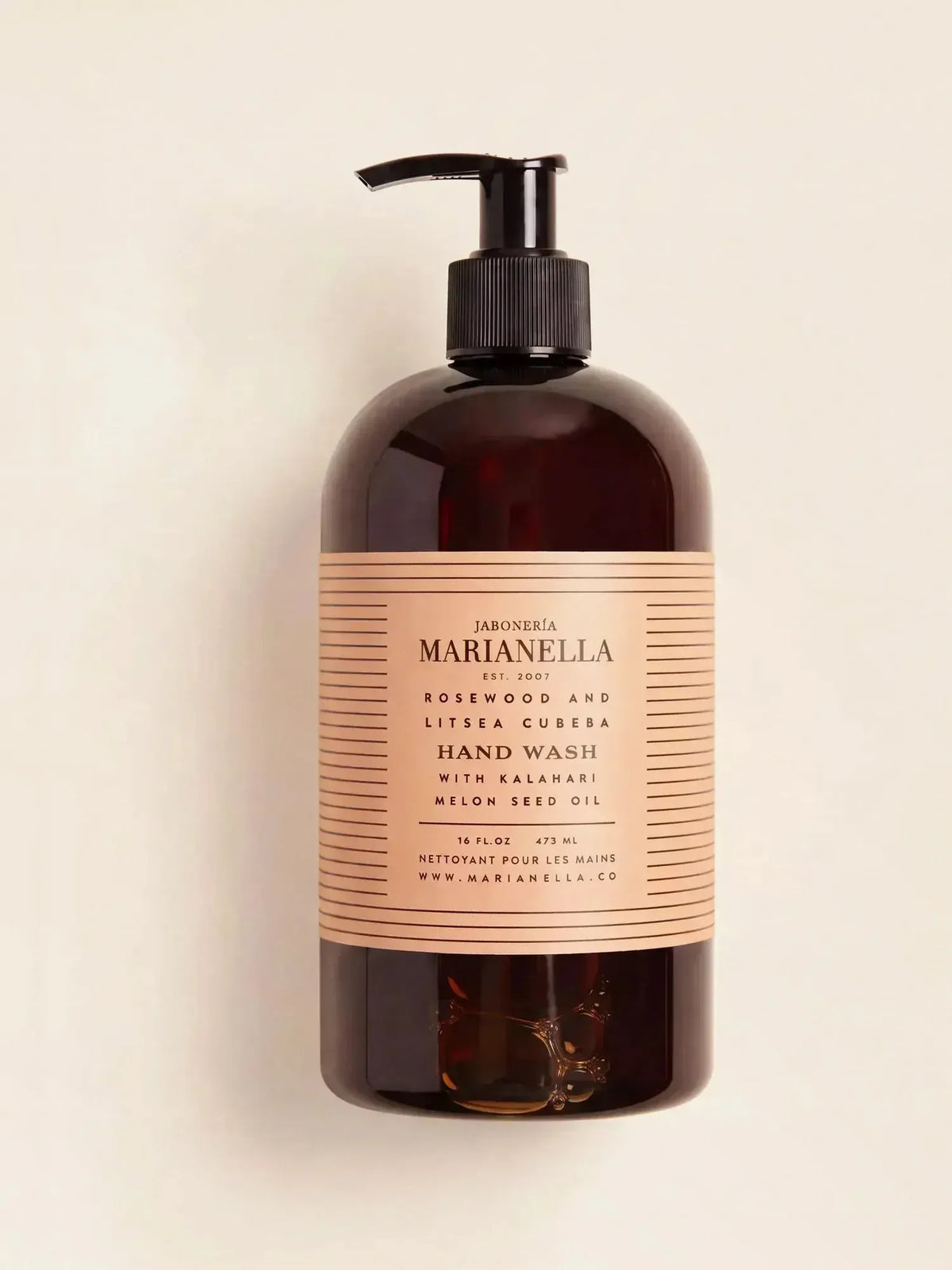
Kalahari melon seed oil is also in our best-selling Hydrating Hand Wash, $38 in Rosewood and Litsea Cubeba, where it works through the lather. It is in the Moroccan Fig and Bergamot Hand Cream too, [price], which sinks in fast and leaves nothing behind on whatever your hands touch next.
The full Kalahari melon seed oil collection, from the Body Caviar to the Imperial Jade Body Oil, is on our website now.
FAQ
Is Kalahari melon seed oil the same as watermelon seed oil?
They come from the same species, Citrullus lanatus. The Kalahari melon is the wild desert ancestor of the watermelon we know, and you will see the oil labeled under both names.
Is Kalahari melon seed oil good for sensitive skin?
In the 2017 clinical assessment it did not irritate skin. As with any new product, try it on a small patch first if your skin reacts easily.
Does Kalahari melon seed oil feel greasy?
No. Seed oils from this plant family are known for light texture and quick absorption, and it stays fluid even in the cold. In our hand cream and body oil it sinks in rather than sitting on top.
How much linoleic acid does Kalahari melon seed oil contain?
Usually about half or more. Published analyses range from roughly 49% to over 72%, depending on the seeds and how the oil is pressed.


















Hinterlasse einen Kommentar
Diese Website ist durch hCaptcha geschützt und es gelten die allgemeinen Geschäftsbedingungen und Datenschutzbestimmungen von hCaptcha.